Victorian Era Uncovered: The 5 Most Popular Jobs of the Past!
The Industrial Revolution dramatically reshaped jobs in the Victorian Era, creating new opportunities alongside harsh working conditions. This period saw common professions like mining, shop work, farming, domestic service, and manufacturing characterized by long hours, low pay, and significant dangers, prompting a slow but critical fight for worker reforms.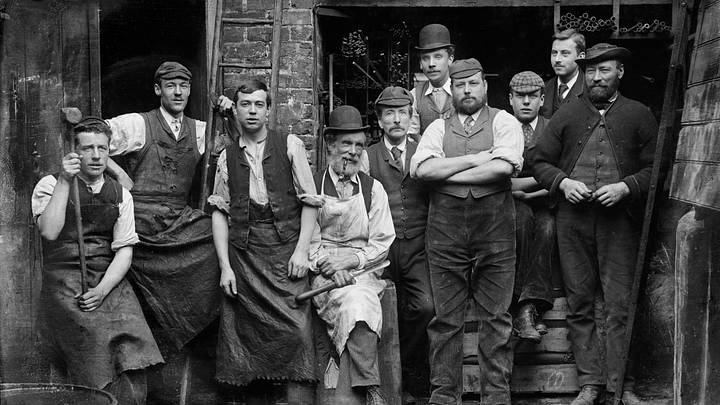
The Industrial Revolution profoundly reshaped Victorian society, significantly altering the types and abundance of available jobs. As technology advanced, a growing workforce was needed to construct and distribute new inventions and gadgets. Simultaneously, foundational sectors like farming adopted new methodologies. Jobs during the Victorian Era were frequently hazardous and unsanitary. Improvements in working conditions were largely a result of the working class advocating for regulations and reforms. Even the safer occupations of the period lacked glamour, given that the majority of the population comprised the working class. From child laborers to impoverished adults, these were some of the most prevalent jobs of the Victorian Era.
Mining represented one of the era's most dangerous professions. In the early years of Queen Victoria's reign, mines employed numerous small children, who worked 12-hour shifts alongside adults forced to contort into confined spaces where children could fit. In 1842, the UK enacted the Mines and Collieries Bill, which outlawed the employment of women, girls, and boys under the age of 10 underground. Following the bill's passage, the number of miners saw a slight reduction. However, due to the critical demand for coal to power the era's new steam-driven machinery, mining remained a common occupation for the poor. Mining accidents and fatalities remained in the thousands until 1872, when the Coal Mines Regulation Act was passed, finally mandating regular safety inspections by certified inspectors.
With the proliferation of mass-produced goods, shopping evolved into a significant cultural activity. While men predominantly owned shops, noblewomen often preferred assistance from other women, leading to the rapid growth of the