US Treasury Chief Vows to Cement America's Reign as Global Crypto Capital, Eyes Stablecoin Future
U.S. Treasury Secretary Scott Bessent announced the implementation of the GENIUS Act, initiating federal rules for payment stablecoins to establish America as the crypto capital. This move, which includes mandatory licensing and a public comment period, aims to provide regulatory certainty and strengthen the U.S. dollar's global role. It comes amidst congressional deadlock on broader crypto legislation, prompting the White House to facilitate meetings with industry leaders to seek compromise.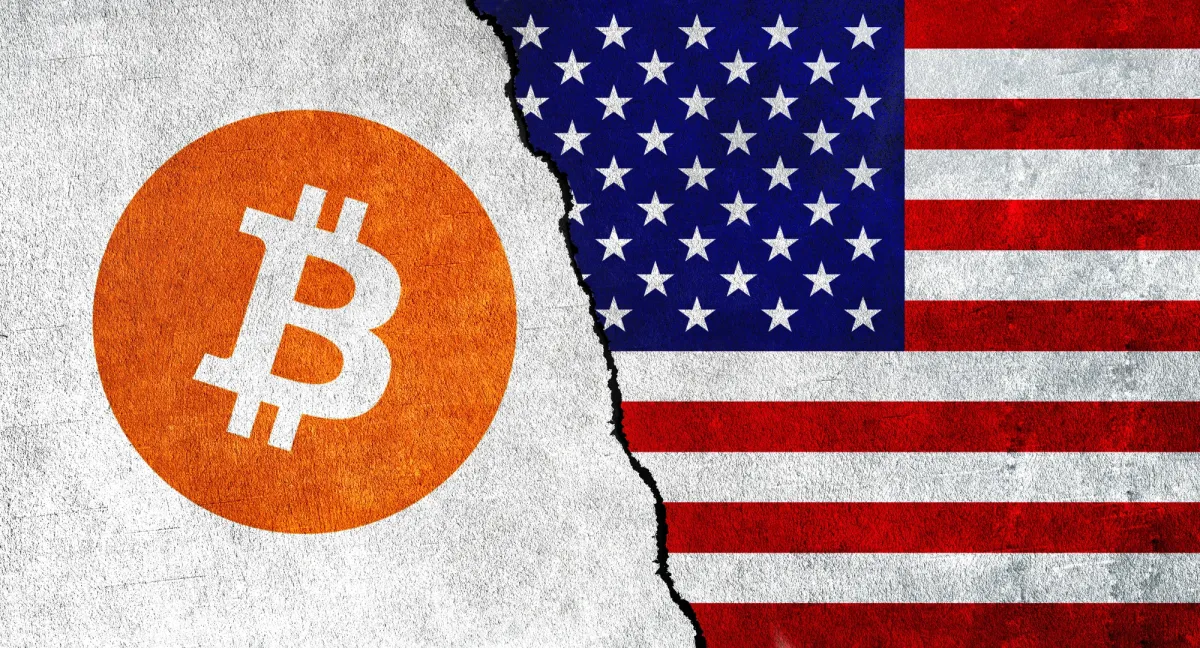
The U.S. Treasury, led by Secretary Scott Bessent, is actively progressing towards the practical implementation of the GENIUS Act, a legislative initiative designed to solidify America's position as the global hub for cryptocurrency. This significant announcement was made by Bessent on X, coinciding with the Treasury's official release of a Notice of Proposed Rulemaking (NPRM), which officially commences the federal rule-making process for payment stablecoins. This new regulatory framework marks a fundamental shift, introducing mandatory licensing requirements and establishing barriers for foreign issuers in the crypto market. Secretary Bessent emphasized that both the White House and Congress have provided the crypto industry with "clear rules of the road," aiming to offer the necessary regulatory certainty for businesses to innovate and expand within the United States.
The implementation of this comprehensive regulatory structure is envisioned to unfold in multiple stages. Currently, the Treasury has initiated a 60-day public comment period, actively inviting input from various stakeholders. Secretary Bessent highlighted the Treasury's welcoming stance towards feedback as it meticulously works to finalize the regulatory framework. The complete rollout of stringent government oversight for digital assets is projected to occur between 2027 and 2028. Beyond merely protecting the domestic market, the Treasury anticipates that rigorous control over digital assets will also play a crucial role in "cementing the role of the U.S. dollar as the world's reserve currency."
This decisive action by the Treasury emerges against a backdrop of prolonged legislative inertia in Congress regarding broader cryptocurrency regulation. A key piece of legislation, the Digital Asset Market Clarity Act, which aims to delineate regulatory authority between the Securities and Exchange Commission (SEC) and the Commodity Futures Trading Commission (CFTC), has encountered significant delays. The Senate recently postponed a vote on this bill until mid-September, primarily due to deep-seated disagreements concerning ethics rules. Opponents of the bill are advocating for strict limitations on the ability of senior government officials to hold personal crypto assets, a concern spurred by recent public disclosures detailing income earned by government representatives from digital asset projects.
In an effort to break this regulatory deadlock, the White House is taking proactive steps to seize the initiative. Informed sources indicate that the administration is scheduled to host a closed-door meeting on August 19. This meeting will convene top executives from major crypto companies, prominent blockchain payment platforms such as Ripple, and operators of prediction markets including Polymarket and Kalshi. This high-level gathering is intended to serve as a precursor to the first session of the CFTC's new Innovation Advisory Committee, which is slated for August 20. During these crucial discussions, Secretary Bessent, SEC Chair Paul Atkins, and various industry representatives are expected to engage in seeking a compromise on the contentious Digital Asset Market Clarity Act.