Unmasking Frida Kahlo: Four Popular Myths Exploded

Frida Kahlo's enduring legacy is often shaped by widespread misconceptions about her life and art. This article delves into the truths behind her birth year, her rejection of the surrealist label, her significant recognition during her lifetime, and the diverse scope of her work beyond self-portraits. Discover the realities that define this iconic Mexican artist.
Precious Eseaye
Precious EseayeCelebrity News7 hours ago4 minute read
Unmasking Frida Kahlo: Four Popular Myths Exploded

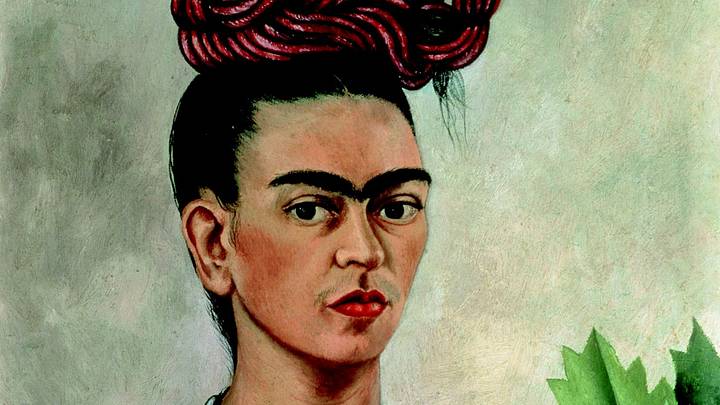
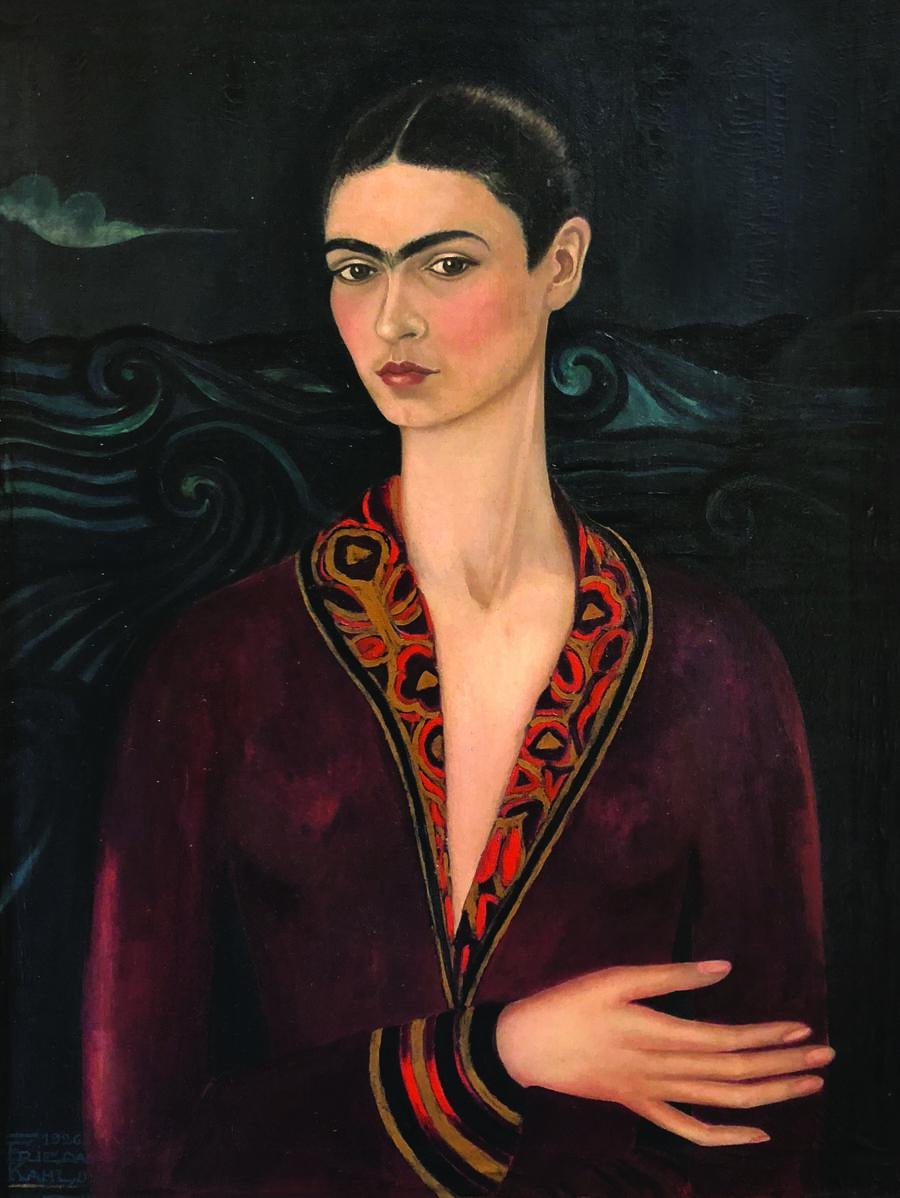
Frida Kahlo, an iconic figure whose life and extraordinary body of work continue to resonate globally, is celebrated for her profound and enigmatic self-portraits. These vibrant artworks masterfully weave together elements of Mexican culture, intricate folklore, potent symbolism, and raw, uncompromising imagery, all rendered in deep, bold colors. Beyond her artistic output, Kahlo's tumultuous personal life has garnered considerable attention, marked by a childhood struggle with polio and a devastating bus accident at the age of 18. This accident left her with lifelong pain and periods of being bedridden, but also served as a catalyst for her serious commitment to painting. Through her art, she chronicled her physical and emotional suffering, alongside her aspirations for herself and her beloved nation, until her death in 1954 at 47 years old. In the decades since, her legacy has grown, often shrouded in a mythologized reverence that sometimes overshadows the specific realities of her life.

One prevalent misconception is that Frida Kahlo was born in 1910. This idea was, in fact, propagated by Kahlo herself, who frequently told others she was born in that year, coinciding with the start of the Mexican Revolution. However, historical records confirm her actual birthdate was July 6, 1907, three years earlier. Her deliberate choice to align her birth year with the revolution was a deeply symbolic act, intended to signify her unwavering connection to Mexico's cultural and political rebirth after the overthrow of dictator Porfirio Díaz.

Another common misclassification of Kahlo's art is labeling her as a surrealist. While André Breton, the founder of Surrealism, categorized her work as such and included it in the 1940 International Exhibition of Surrealism in Mexico City, Kahlo vehemently rejected this designation. She famously declared, "They thought I was a Surrealist but I wasn’t. I never painted dreams. I painted my own reality." Kahlo apparently found the 1940 exhibition disorganized and was particularly irked by her work being placed in a section titled "Mexican knick-knacks." She later reflected, "I never knew I was a Surrealist ’til André Breton came to Mexico and told me I was." Her disdain for the French Surrealists was further articulated in a scathing letter to her lover, photographer Nicholas Muray, where she criticized their endless theoretical discussions in cafés, dismissing them as "Sh*t and only sh*t is what they are." While her art shares some stylistic associations with Surrealism, Kahlo predominantly depicted images drawn from her personal life, Mexican folklore, political convictions, and the natural world, focusing on the profound strangeness, pain, and beauty of her lived experience rather than dreamscapes or alternative realities.

Contrary to the belief that she was largely unknown during her lifetime, particularly overshadowed by her husband Diego Rivera, Frida Kahlo did achieve significant recognition within artistic circles. Although Rivera's fame admittedly eclipsed hers during their lives, Kahlo's post-humous renown has vastly surpassed his and that of many other artists. Nevertheless, her work gained considerable acclaim before her death. A testament to this recognition occurred in 1939 when the Louvre acquired her painting "The Frame," making her the first Mexican artist of the 20th century whose work was purchased by a major international museum.

Finally, the focus of retrospectives and popular perceptions often narrows to Frida Kahlo's self-portraits, her personal life, and her struggles with fertility and pain, leading to the misconception that she only painted self-portraits. While about a third of her approximately 143 paintings were indeed self-portraits, Kahlo was far from myopic or reclusive. Despite spending much time at home managing pain, she was a vibrant host, a dedicated teacher, and a mentor to many young artists until her passing. She was also deeply politically engaged throughout her life, identifying as a staunch communist and anti-imperialist, themes she frequently wove into her artwork. Even her iconic choice to wear traditional Mexican clothing was multifaceted: it was an expression of solidarity with Mexican nationalism and her Indigenous heritage, a tool for crafting her carefully curated public persona, and a clever way to conceal her physical disabilities. Her diverse subject matter is evident in works that do not feature her own face, such as the 1933 painting "My Dress Hangs There," which she created in New York City. This piece depicts a Mexican Tehuana dress suspended amidst urban streetscapes, complete with a burning building, an overflowing trash can, and the Statue of Liberty, highlighting her broader engagement with social and political commentary.

Loading...