UNAIDS SHOCK: Global HIV Response in Africa Faces Decades-Worst Setback
The global HIV response faces its most serious setback in decades, warns UNAIDS, due to severe funding cuts and a deteriorating human rights environment. These factors are disrupting prevention and treatment services worldwide, threatening to undo years of progress and potentially leading to millions of new infections if not addressed urgently.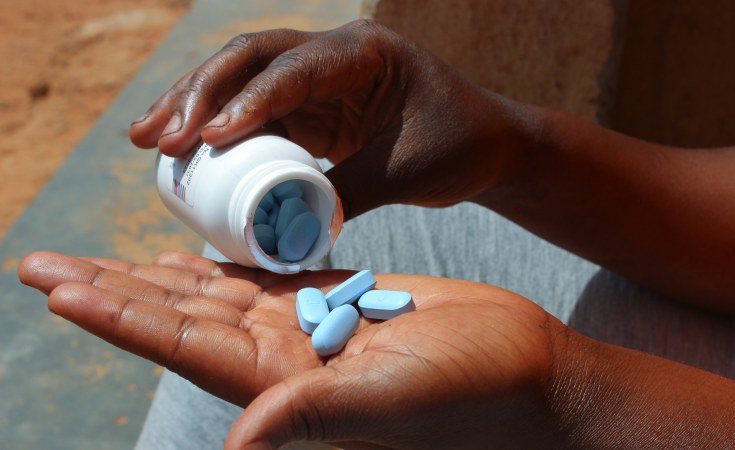
The global response to HIV is currently facing its most severe setback in decades, as warned by UNAIDS. This crisis is primarily driven by abrupt funding cuts and a deteriorating human rights environment, which are severely disrupting essential HIV prevention and treatment services across dozens of countries worldwide. The 2025 World AIDS Day report, titled "Overcoming Disruption, Transforming the AIDS Response," highlights a sharp decline in international assistance, with projections from the OECD indicating that external health funding could plummet by 30-40 percent in 2025 compared to 2023. This financial shortfall has had an immediate and devastating impact, particularly in low- and middle-income countries that are heavily affected by the epidemic.
Winnie Byanyima, Executive Director of UNAIDS, emphasized the fragility of past progress, stating that behind every data point are individuals losing access to critical services, from babies missing HIV screenings to young women cut off from prevention support. The disruption is widespread, with HIV prevention, testing, and community-led programs being hit hardest. Thirteen countries have reported a decrease in the number of people newly initiated on treatment. Ethiopia and the Democratic Republic of the Congo have experienced stock-outs of HIV test kits and essential medicines. The distribution of preventive medicines has significantly dropped, by 31 percent in Uganda, 21 percent in Viet Nam, and a staggering 64 percent in Burundi. Furthermore, 450,000 women in sub-Saharan Africa have lost access to "mother mentors," crucial community workers who connect them to care, and Nigeria has seen a 55 percent reduction in condom distribution.
Prior to this crisis, adolescent girls and young women were already disproportionately affected, with 570 new HIV infections occurring daily among those aged 15-24. UNAIDS warns that dismantled prevention programs make these vulnerable groups even more susceptible. Community-led organizations, which form the backbone of HIV outreach, are also under immense pressure; over 60 percent of women-led organizations have been forced to suspend essential services. UNAIDS modeling forecasts a dire consequence: a failure to restore prevention efforts could lead to an additional 3.3 million new HIV infections between 2025 and 2030.
Compounding the funding crisis are deepening human rights reversals. For the first time since UNAIDS began tracking such legislation, the number of countries criminalizing same-sex relations and gender expression increased in 2025. Globally, 168 countries criminalize some aspect of sex work, 152 criminalize small-scale drug possession, 64 criminalize same-sex relations, and 14 criminalize transgender people. Restrictions on civil society, including burdensome registration rules and limits on receiving international assistance, further undermine access to vital services.
In Zimbabwe, Dr. Byrone Chingombe, Technical Director at the Centre for Sexual Health and HIV/AIDS Research (CeSHHAR), illustrated the real-world impact of these cuts. He described 2025 as a "hard year," with service providers laid off overnight when funding ceased in January. This led to disrupted adherence to treatment and, crucially, eroded trust. CeSHHAR's HIV testing "case finding" rates have fallen by over 50 percent, reflecting a loss of access rather than a reduced need. Despite these challenges, Dr. Chingombe highlighted areas of hope, including community resilience and the potential of new long-acting prevention technologies like injectable lenacapavir, which is expected to reach Zimbabwe in early 2026 after fast-tracked approval.
UNAIDS is urgently calling upon world leaders to take immediate action. This includes reaffirming global solidarity and multilateralism, honoring commitments made at summits like the G20 Leaders Summit in South Africa, and crucially, maintaining and increasing HIV funding, especially for nations most reliant on external assistance. Additionally, investment in innovation, particularly affordable long-acting prevention methods, and upholding human rights while empowering communities are central to successful HIV responses. As Ms. Byanyima concluded, "Millions of lives depend on the choices we make today," underscoring the critical moment for global leaders to unite and prevent the undoing of decades of hard-won gains against AIDS.