Uganda Plunges into Digital Darkness: Internet Shutdown Ahead of Pivotal January 15 Elections
Significant digital transformations are sweeping across Africa, impacting internet access, payment systems, and broadband competition. Uganda's pre-election internet shutdown sparked concerns over information control, while Uber's withdrawal of Visa payments in Kenya highlights a pivot towards mobile money. Simultaneously, Amazon's Kuiper is set to challenge Starlink in Nigeria's satellite broadband market, promising increased competition and improved connectivity.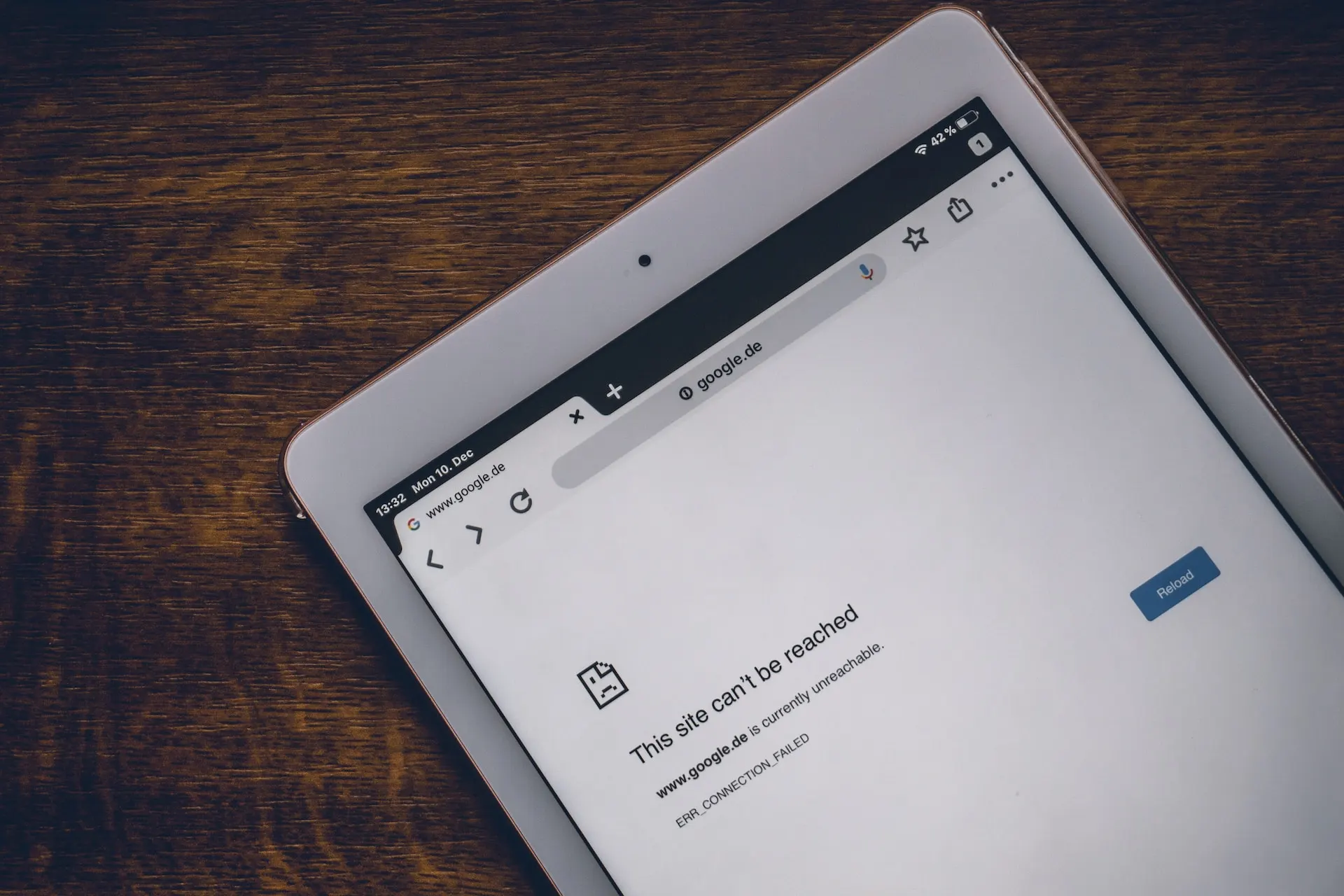
Across Africa, significant developments are reshaping the digital landscape, from internet shutdowns during critical political moments to the evolution of payment systems and the introduction of new satellite broadband competition. These events highlight the continent's dynamic environment where local realities, regulatory frameworks, and technological advancements converge.
In Uganda, authorities preemptively pulled the plug on public internet access two days before the January 15 elections. The shutdown, initiated at 6:00 PM local time on January 13, aimed to curb misinformation and prevent election-related violence, effectively disconnecting millions of Ugandans.
This move, echoing similar actions during the 2016 and 2021 elections, severely limited citizens' ability to access real-time election updates, report irregularities, coordinate observers, and fact-check political claims. Beyond simply blocking social media, messaging apps, and email, the government also halted new SIM card sales and restricted outbound data roaming to neighboring countries.
While essential services like hospitals, banks, and government platforms remained online through whitelisted IPs and dedicated connections, the broader impact was a communication blackout, raising concerns about transparency and the free flow of information during a critical democratic process.
Meanwhile, Kenya's digital payment ecosystem is witnessing a notable shift as Uber quietly discontinued Visa card payments from its app around December. This decision leaves Uber riders and food delivery users with fewer options, pushing them towards alternatives such as cash, Mastercard, mobile money platforms like M-PESA and Airtel Money, or PayPal.
Uber attributed this change to a review of payment methods and rising global payment processing costs. While Visa remains widely used in Kenya, this move aligns with the country's mobile-money-dominated payment landscape. Uber has actively embraced mobile money, fostering partnerships that facilitate M-PESA payments for both riders and drivers, and even offering free data access for its apps via Safaricom.
The impact is most felt by business users, foreigners, and frequent travelers accustomed to Visa, though many local users already prefer mobile wallets and Mastercard, suggesting a strategic adaptation by Uber to local payment habits and cost efficiencies in the African ride-hailing sector.
Further north, Nigeria is poised for a major broadband revolution with Amazon’s Project Kuiper, its low-Earth orbit satellite internet initiative, securing regulatory approval from the Nigerian Communications Commission (NCC). This seven-year landing permit, effective February 28, 2026, allows Kuiper to deploy its global constellation of over 3,200 satellites and provide satellite broadband services across Africa's largest market.
This development introduces significant competition for Starlink, which previously enjoyed a first-mover advantage in Nigeria's LEO satellite space. Kuiper's entry is expected to foster better pricing, faster service rollouts, and higher standards for customers as rivals vie for market share. Nigeria's proactive stance in positioning itself as an open market for next-generation connectivity is crucial, given millions of its citizens remain unserved or underserved by existing fibre and mobile broadband networks. With its vast scale, cloud ecosystem, and logistics capabilities, Amazon's Kuiper promises to enhance internet access, which is vital for sectors ranging from banking and education to logistics and public services.
These distinct yet interconnected narratives underscore the rapid digital evolution in Africa, where regulatory decisions, market dynamics, and technological innovations continually shape user experiences and access to critical services.