Trump's Psychedelic Treatment Order Divides Long Island Veterans and Experts
A new executive order seeks to fast-track federal reviews of psychedelic drugs like ibogaine for veterans struggling with PTSD and depression, igniting a fierce debate. While advocates see a "major milestone" for mental health, drug treatment experts warn of significant risks and the need for science-driven research.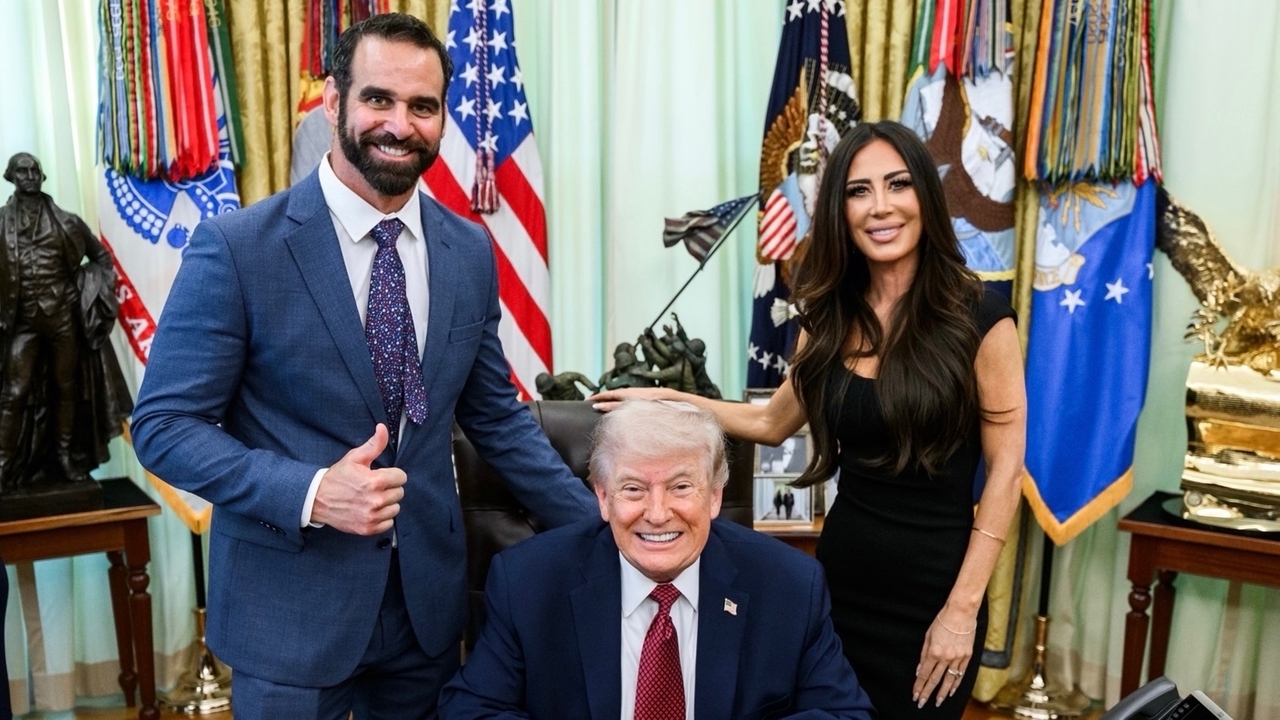
Long Island veterans suffering from post-traumatic stress disorder (PTSD) and severe depression may soon find new hope in alternative treatments, following an executive order signed by President Donald Trump aimed at accelerating federal reviews of certain psychedelic drugs, notably the hallucinogen ibogaine. This move has sparked a contentious debate between advocates who see these substances as revolutionary mental health solutions and drug treatment experts who raise serious concerns about potential risks and the scientific rigor of the process.
The executive order directs federal agencies including the Food and Drug Administration (FDA), Drug Enforcement Administration (DEA), and Department of Veterans Affairs (VA) to streamline review times for psychedelic drugs showing promise in treating serious mental health illnesses resistant to standard therapies. Additionally, the Department of Health and Human Services (HHS) is tasked with allocating at least $50 million to states like Texas that are developing programs to advance psychedelic treatments. While ibogaine is the only psychedelic explicitly named, LSD, MDMA (ecstasy or molly), and psilocybin (magic mushrooms) are also being examined as potential therapies for PTSD and depression. HHS Secretary Robert F. Kennedy Jr. has stated the administration is fast-tracking clinical trials for psychedelics, aiming to make these therapies available within 12 months for patients for whom traditional treatments have failed.
Proponents, including Marcus Capone, a former Navy SEAL from Long Beach, New York, and co-founder of Veterans Exploring Treatment Solutions (VETS), view the executive order as a crucial step forward. Capone, who struggled with traumatic brain injury (TBI) and PTSD for years, found healing through ibogaine treatment at a retreat in Mexico after conventional therapies proved ineffective. He emphasized that this initiative is not just for veterans but for anyone battling treatment-resistant mental health issues, predicting a significant reduction in suicide rates. Patrick Donohue, an Islip-based veterans attorney and advocate with Project 9 Line, also supports psychedelics like psilocybin and LSD, noting their non-addictive nature and potential for single-use, lasting benefits. Tom Feegel, CEO of Beond, a neuro-health center, hailed this moment as a "historic inflection point" in mental health treatment, underscoring the limitations of existing interventions and the growing demand for effective solutions.
Ibogaine, derived from the African iboga plant and historically used in spiritual ceremonies for its hallucinogenic properties, is currently classified by the FDA as a Schedule I controlled substance, making it illegal in the U.S. However, a 2024 study by Stanford Medicine and VETS demonstrated ibogaine's effectiveness in treating traumatic brain injuries in 30 U.S. special operations forces veterans who received the drug in an unregulated Mexican clinic. Participants experienced average reductions of 88% in PTSD symptoms, 87% in depression, and 81% in anxiety, alongside improvements in cognitive functions. If approved for medical use in the U.S., ibogaine would mark the first sanctioned treatment for TBI.
Despite the optimism from advocates, Long Island drug treatment experts express significant skepticism and concern. Jeffrey Reynolds, president and CEO of the Family & Children’s Association, stressed that research into psychedelics should be driven by science, not politics or anecdotes. He highlighted ibogaine's mixed history, high cost, and severe health and mental health risks, including potentially fatal heart problems, particularly if not properly administered. Steve Chassman, executive director of the Long Island Council on Alcohol and Drug Dependence, labeled the idea of medically prescribed psychedelics as "terribly irresponsible." He voiced worries that Long Islanders, many still recovering from the opioid crisis, might misuse or abuse these treatments, potentially triggering severe psychological conditions or providing "false hope." Adam Birkenstock, director of programming at the same council, echoed these concerns, warning that without sufficient data, people might prematurely view the order as an endorsement, putting their health at risk. These experts advocate for evidence-based treatments like talk therapy, behavioral therapy, and cognitive behavioral therapy, emphasizing that true healing takes time and investment.
This initiative follows a period where the FDA, under then-President Joe Biden, rejected MDMA as a PTSD treatment in 2024, citing flawed study data, questionable research, and potential drug risks. In contrast, the Trump administration has shown greater openness to alternative forms of therapeutics. While the exact conditions for psychedelic treatment and the legal framework for prescribing them remain unclear, states like Oregon and Colorado have already legalized psilocybin therapy, and Texas has approved a $50 million study of ibogaine for various conditions, including opioid addiction and PTSD. Long Island, home to an estimated 81,000 veterans, the highest concentration in the state, faces significant challenges with TBI diagnoses and related mental health issues, making the debate over these novel treatments particularly pertinent.