Trump's Looming Threat Ignites National Debate and Security Fears in Nigeria
US President Donald Trump's threat of military action in Nigeria over alleged Christian genocide has ignited a polarized debate. While many Nigerian Christians and citizens affirm the genocide claims and welcome intervention, the Nigerian government and several international bodies strongly reject the characterization, viewing it as external interference in a sovereign nation's internal security challenges.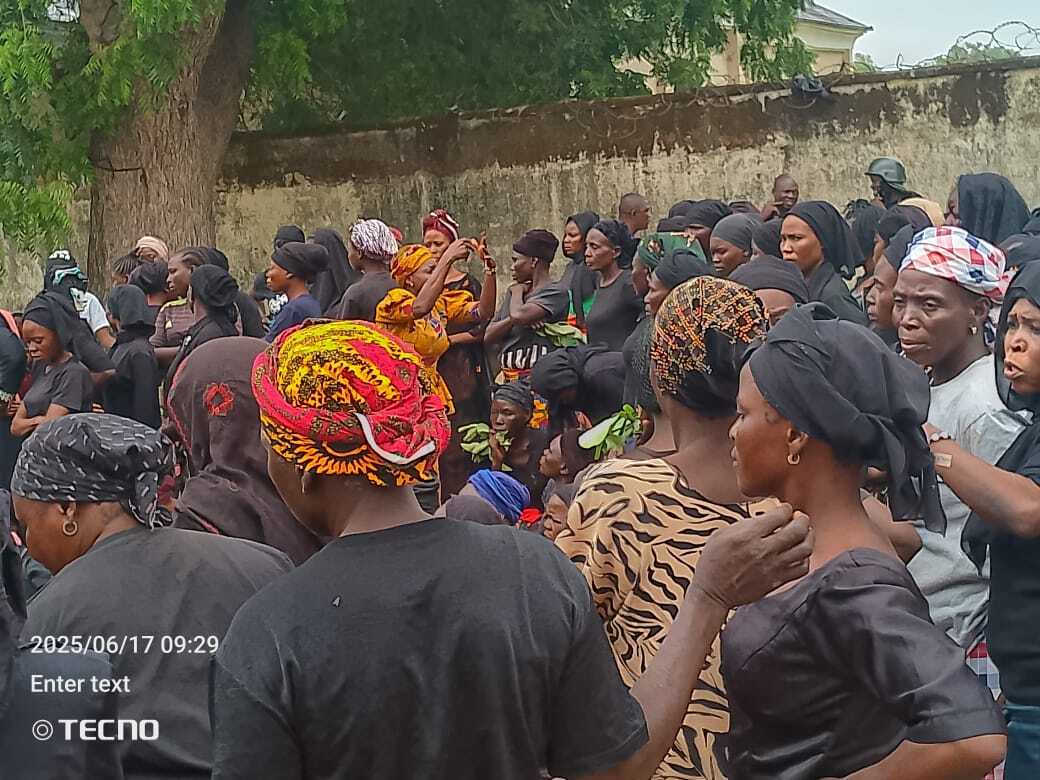
The recent designation of Nigeria as a Country of Particular Concern (CPC) by United States President Donald Trump, coupled with his threat of military intervention over alleged large-scale persecution and killings of Christians, has ignited a fierce debate and drawn widespread reactions from domestic and international actors.
Many Christian leaders and segments of the Nigerian populace have vociferously affirmed the claims of Christian genocide, viewing Trump’s stance as a long-awaited recognition of their suffering. The Christian Association of Nigeria (CAN) in the 19 Northern states, through its chairman Rev. John Hayab, insisted that the denial of Christian persecution is an injustice to victims and their faith community. Hayab emphatically stated, “Can I consider what has been happening as genocide against Christians? My straightforward answer is Yes,” tracing the roots of violence to religiously motivated attacks predating the Boko Haram insurgency, citing instances like the 2000 Sharia riots and 2002 Miss World riots. He highlighted institutional discrimination against Christians in education and public institutions, where children are allegedly denied admission and students lack proper worship facilities. Andrew Gwaivangmin, Executive Secretary of the Nigeria Evangelical Missions Association, hailed Trump’s focus as an “answered prayer,” detailing casualties among missionaries and the need for international intervention and logistical support for Nigerian forces. Similarly, Rev. Enoch Kaura, CAN chairman in Kajuru local government area of Kaduna State, provided grim accounts of relentless banditry, abductions, killings of numerous pastors and their wives, and the displacement of communities, emphasizing that the violence persists despite some initial respite from government efforts.
Conversely, the Nigerian government and several international bodies have strongly rejected the allegations. President Bola Tinubu dismissed the characterization of Nigeria as religiously intolerant, asserting the government’s consistent efforts to safeguard religious freedom for all citizens. The Ministry of Foreign Affairs vowed to combat violent extremism, hoping for continued US partnership. The Economic Community of West African States (ECOWAS) strongly repudiated “false and dangerous claims” of Christian genocide, arguing that terrorist violence is indiscriminate, affecting all demographics regardless of religion or ethnicity. China’s foreign ministry spokesperson, Mao Ning, pledged firm support to the Tinubu administration, opposing any foreign interference using religion or human rights as a pretext for sanctions or military threats. The EU, through Anouar El Anouni, reiterated its respect for Nigeria’s sovereignty and constitutional commitment to religious neutrality, focusing on cooperation for stability. On the domestic front, controversial Islamic cleric Sheikh Ahmad Gumi accused certain Middle Belt Christian groups of fabricating genocide claims, alleging they were “burying empty coffins” to manipulate narratives for international sympathy. Daniel Bwala, Special Adviser to President Bola Tinubu on Policy Communication, alleged that members of the Indigenous People of Biafra (IPOB) were behind foreign social media accounts promoting the Christian genocide narrative. Taiwo Oyedele, Chairman of the Presidential Committee on Tax Policy and Fiscal Reforms, also dismissed claims that a recent sell-off in the Nigerian capital market was triggered by Trump’s comments, attributing market fluctuations to normal cycles rather than politically driven reactions.
The threat of external intervention has drawn varied responses from Nigerians. Many expressed despair over the incessant insecurity, banditry, and perceived government inaction, welcoming Trump’s planned intervention as a necessary evil to end the prolonged bloodshed. Citizens like Anyebe Ekainu, Mike Divine, Michael Akor, Ibrahim Mohammed, Abdul Rahman, Anthony Ameh, Joseph Adah, Emmanuel Ucha, Felix Sunday, and Chibueze Obi echoed sentiments that Nigerian leaders have failed to curb the menace, making foreign intervention pertinent. They argued that the proposed intervention is not against Nigeria as a nation but against terrorists and their sponsors. Others, like Salaudeen Hashim of CLEEN Foundation, while acknowledging the unfortunate stigmatization of the CPC designation, stressed the importance of strategic communication, strengthening Nigeria’s diplomatic relationships, defining national interest, and enhancing intelligence in counter-terrorism. Former federal lawmaker Dino Melaye expressed deep concern over the overall state of the nation, linking Trump’s threat with other pressing issues like coup rumors and arbitrary law amendments, declaring, “Nigeria must not die.”
Amidst this polarization, the Chief Security Adviser for the United Nations Department of Safety and Security (UNDSS) Nigeria, Senyo Kufe, emphasized the need for stronger collaboration with the Nigerian military, particularly the Joint Task Force in the North East, to combat terrorism. He commended the military’s professionalism and continuous assistance, highlighting the region’s pivotal role in national and humanitarian security. Discussions between UNDSS and the Theatre Command centered on enhancing emergency preparedness, disaster response, information sharing, and security management, with a commitment to deepen joint training and coordination.
The controversy surrounding Trump’s threat underscores the complex and deeply divided perceptions of Nigeria’s security challenges. While many believe the violence is a targeted Christian genocide requiring international intervention, others vehemently deny this, viewing it as a broad security challenge and external interference in sovereign affairs. The debate highlights the urgent need for a cohesive national strategy to address insecurity and foster unity, alongside transparent engagement with international partners.