Trump Is Cracking Down on Birth Tourism. What Does This Mean for Africans Who Have Babies in the US?
Trump’s proposed birth tourism crackdown could make it harder for African parents to secure US passports for children born in America. Here’s what the new rules could mean.
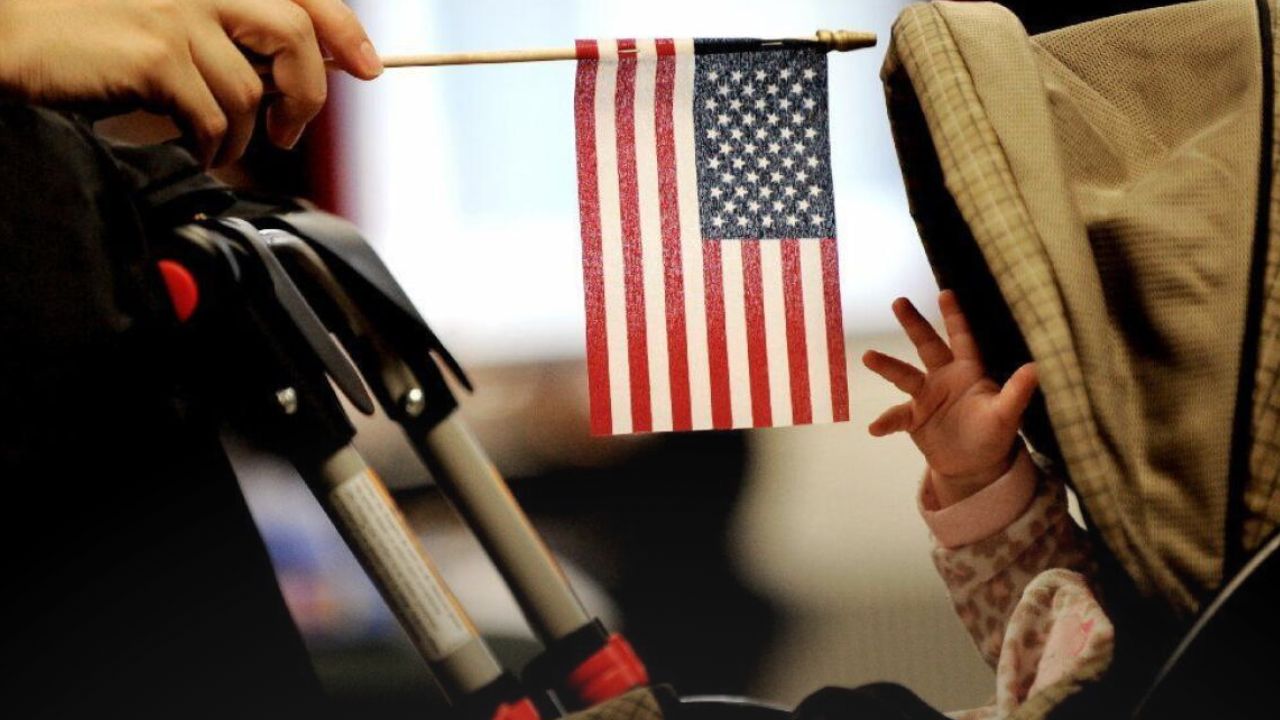
For decades, it is a known phenomenon that many citizens from other nations take advantage, to the fullest, of American birthright citizenship. Some people, close to their due date, travel exclusively for that reason, hoping to secure an American passport for their kids. Trump is saying no more of that.
What Is Birth Tourism, and Why Is Trump Targeting It
Birth tourism describes the practice of pregnant women flying into the United States specifically to deliver their babies on American soil. Because the US Constitution has long granted automatic citizenship to nearly anyone born within its borders, a baby delivered in a US hospital instantly qualifies for a US passport, regardless of the parents' nationality or immigration status.
For years, agencies on the continent have marketed "delivery packages" built around this loophole. Trump's administration now wants to close that loophole, and a new State Department proposal shows exactly how it plans to do it.
The New Passport Rule Parents Need to Know
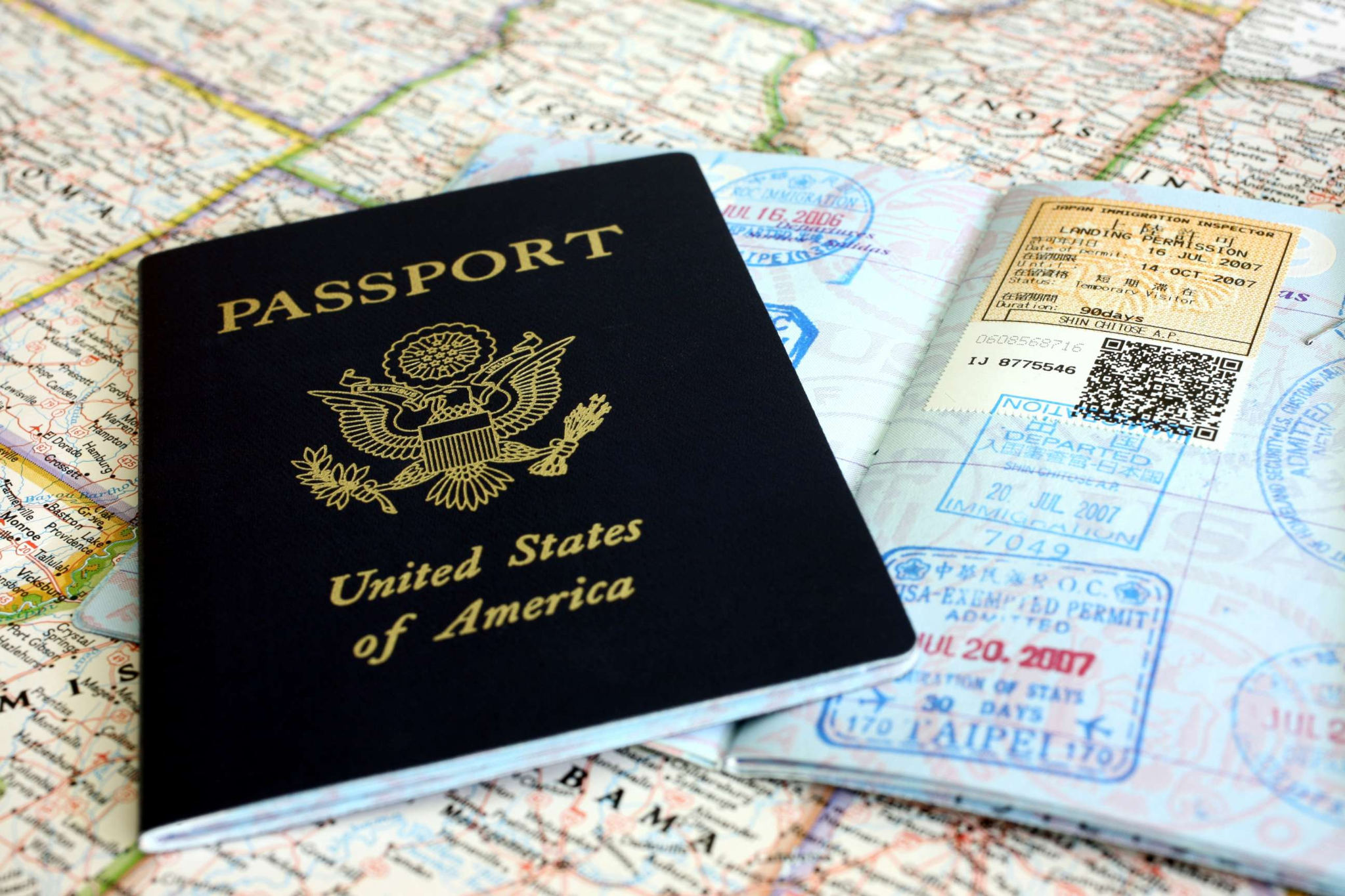
Under draft guidance from the State Department, parents applying for a US passport for their US-born child would no longer simply tick a box confirming their citizenship. They would have to produce proof which includes a valid US passport or birth certificate for citizen parents, or documents like an I-94 arrival record or a green card for parents with lawful immigration status.
Right now, the process is simpler. Parents prove parentage, show photo identification, and self-certify their citizenship status without submitting supporting paperwork.
The proposed change turns this routine administrative step into a strict screening process.
How This Builds on Trump's Earlier Birthright Citizenship Order
This is not Trump's first attempt to reshape birthright citizenship. His initial executive order tried to limit automatic citizenship to children with at least one parent who was a US citizen or green card holder.
The Supreme Court struck that order down in a 6-3 ruling, finding it violated the Citizenship Clause of the 14th Amendment.
His August order this year takes a more specific approach, aiming specifically at birth tourism rather than rewriting the citizenship rules for everyone. It targets children whose parents work for a foreign government while in the US, are involved in fraud or a commercial transaction to obtain citizenship, or fall under the "alien enemy" classification.
The new passport-verification guidance is the first real blueprint for how the order could actually be enforced.
What This Means for Africans Planning to Give Birth in the US
For African families who fly to the US purely to secure citizenship for a newborn, this proposal threatens the entire strategy. If the rule takes effect, a birth tourism trip would no longer automatically guarantee a US passport at the end of it.
Parents travelling on a visitor visa, with no US citizenship or lawful permanent residency to point to, would struggle to produce the documents the new system demands.
The baby could still be born on US soil, but getting that baby recognised as a citizen and issued a passport becomes really tough and possibly an impossible task.
This also raises the financial stakes of birth tourism packages that African travel and medical facilitation agencies currently sell for thousands of dollars.
Families who have budgeted for flights, hospital bills, and agency fees could end up with a US-born child but no clear path to the passport that motivated the trip.

Who Might Still Be Exempted
The order and draft guidance are not written to affect every foreign-born child equally. Children with a parent who holds US citizenship or a green card would still be considered eligible under the existing rules; the policy is aimed squarely at "birth tourism" and specific categories like foreign government employees, fraud cases, and alien enemies.
Families with a parent already living legally in the US on a long-term visa or asylum status may face a different, though still uncertain, set of questions once the guidance is finalised.
Legal Challenges Could Still Change the Outcome
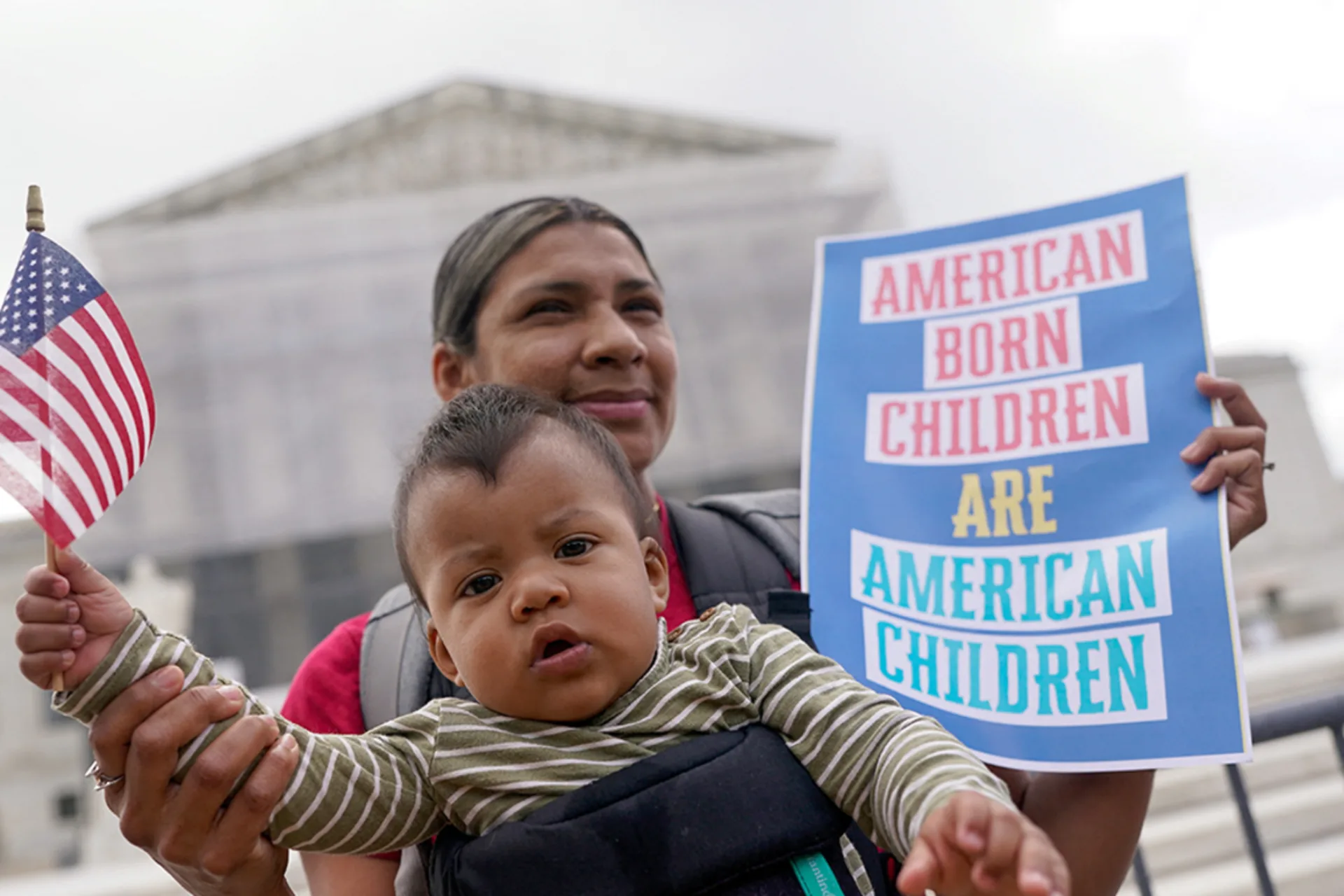
The policy is not settled yet. Lawyers representing families in class-action lawsuits have already asked federal judges to block the order before it takes effect.
One case, before a federal judge in Maryland, saw the judge express skepticismabout the scope of Trump's directive and allow the plaintiffs to amend their case.
Government lawyers have pushed back, arguing that no restraining order is warranted since federal agencies have not yet issued final public guidance. That means the rule described in the draft document is not law yet, and its final form, including any carve-outs or delayed implementation, could still shift.
What African Families Should Do Now
Anyone still considering a US birth tourism trip should treat this moment as a warning sign. It would be wise to hold off on non-refundable bookings tied purely to a citizenship strategy until the guidance is finalised or struck down in court.
Families should also start exploring alternative long-term immigration routes, such as skilled worker visas, family sponsorship, or study pathways, that do not hinge on a single hospital delivery.
The passport that once came almost automatically with a US birth may soon come with a paper trail African parents cannot easily produce.