Tinubu's Controversial Ambassadorial Picks Ignite Political Firestorm
President Bola Tinubu's nomination of 35 ambassadorial designates to the Senate has sparked widespread debate, with strong criticisms from the PDP and ADC regarding the integrity of some nominees, especially Prof. Mahmood Yakubu. Conversely, the CCSG lauded the choices as strategic and merit-based, while the controversial nomination of Reno Omokri, a former fierce critic, has ignited public outcry over his changed stance.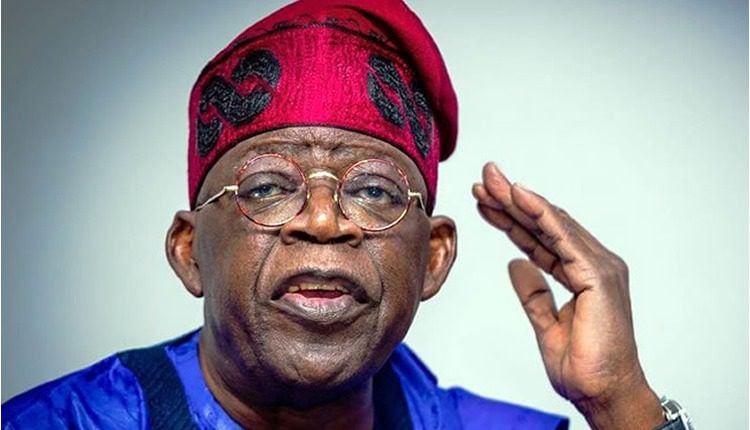
President Bola Tinubu has submitted a comprehensive list of 35 ambassadorial nominees to the Senate for screening and confirmation, marking a significant step in his administration’s foreign policy repositioning efforts. The list, which features both career and non-career diplomats, has triggered widespread reactions across Nigeria’s political landscape and among citizens. Initially, only three names were released, followed by an additional 32, bringing the total to 35. Of these, 15 are career officers with extensive diplomatic experience, while 17 are non-career appointees chosen for their expertise or political relevance.
Among the prominent non-career nominees are former INEC Chairman Prof. Mahmood Yakubu; Senator Jimoh Ibrahim; former presidential aide Reno Omokri; former Aviation Minister Femi Fani-Kayode; former First Ladies Angela Adebayo and Florence Ajimobi; former Enugu Governor Ifeanyi Ugwuanyi; and former Lagos Deputy Governor Femi Pedro. The Senate President, Godswill Akpabio, has been urged to fast-track the confirmation of the nominees.
The Peoples Democratic Party (PDP) has vehemently condemned the list, describing it as “scandalous,” “reprehensible,” and reflective of the administration’s underlying values. The opposition party demanded an immediate withdrawal of the list, insisting that new nominees with “stellar democratic credentials and high moral standing” should be selected to represent Nigeria abroad. The PDP argued that several nominees are viewed negatively by both Nigerians and the international community due to alleged “integrity deficits” and “anti-democratic activities.” It maintained that “a nominee is a direct reflection of the values and estimation of the nominator,” and criticized the three-year delay in compiling the list, calling it evidence of a “paucity of excellent people” in the administration.
The nomination of Prof. Mahmood Yakubu has been especially controversial. The PDP claimed that his tenure as INEC Chairman was marked by inconsistencies and unfulfilled assurances, arguing that the conduct of the 2023 general elections contributed to Nigeria’s present governance challenges. According to the party, offering him an ambassadorial role represents a “skewed reward system” capable of encouraging future electoral umpires to view flawed elections as a pathway to political compensation. It warned that appointing individuals with controversial records could damage Nigeria’s global reputation, undermine diplomatic relations, and weaken trust in federal appointments.
Echoing these concerns, the African Democratic Congress (ADC) labeled Yakubu’s nomination as “embarrassingly insensitive.” The party warned that such an appointment could set a dangerous precedent that threatens the neutrality of Nigeria’s electoral system. The ADC argued that the list appears “laced with corruption suspects, political jobbers, and relatives of the President’s associates.” It further stated that Yakubu’s nomination, coming just months after supervising a highly contentious election, blurs the distinction between players and referees, potentially motivating future INEC officials to expect political rewards. The ADC urged Prof. Yakubu to decline the appointment for the sake of INEC’s institutional integrity, and called on the Senate to reject his nomination if he does not step aside.
In sharp contrast, the Coalition of Civil Society Groups (CCSG) has praised President Tinubu for what it described as “strategic and merit-rooted” nominations, especially that of Senator Jimoh Ibrahim and Prof. Mahmood Yakubu. In its statement, the coalition said the list reflects “a blend of intellect, experience and patriotism.” The CCSG highlighted Senator Ibrahim’s extensive contributions to national development through investments in aviation, oil and gas, banking, media, insurance, hospitality, and education, which have created jobs and strengthened Nigeria’s economic competitiveness. His academic pedigree, boasting credentials from Harvard, Oxford, and Cambridge, along with his long-standing interventions on national issues were also applauded. According to the coalition, Ibrahim’s multi-sector expertise could help Nigeria unlock global trade opportunities, enhance bilateral agreements, attract foreign direct investment, and open new markets for Nigerian goods.
The CCSG also commended Prof. Yakubu for his “disciplined, patriotic and stabilising service” as INEC Chairman. It asserted that his contributions to electoral management, peacebuilding, and intergovernmental coordination strengthened national cohesion and democratic stability. The coalition argued that Yakubu’s reputation for institutional discipline could boost international confidence in Nigeria’s governance structures, attract foreign investment, and build partnerships in areas such as public-sector digitization, electoral technology, and global security cooperation. It concluded that both nominees represent “strategic investments in Nigeria’s future” and possess the necessary competence to elevate the country’s global standing.
Meanwhile, the nomination of Reno Omokri has sparked intense public debate. Before the 2023 elections, Omokri was one of President Tinubu’s fiercest critics, leading public demonstrations and calling for drug tests, citing a Bloomberg report that linked Tinubu to a drug-related case in the United States. He frequently referred to Tinubu as a “drug lord” and “drug peddler.” Following his nomination, however, Omokri issued a statement expressing deep gratitude to President Tinubu, whom he described as “Christlike,” crediting him with teaching “the meaning of forgiveness.” He pledged to serve both his “fatherland and humanity,” and thanked his parents, wife Hana, and the National Security Adviser, Nuhu Ribadu.
Netizens reacted sharply to Omokri’s dramatic shift. Entertainer Charly Boy described the appointment as “a spectacular mockery of this country” and “a deliberate gut-punch to national unity.” Others on X (formerly Twitter) expressed disbelief, with one user noting: “Only in this country can you brand a president a drug peddler, mobilize crowds against him, and still sprint into his cabinet. Our politics is so shameless that even principles have a price.”
If confirmed, the ambassadors are expected to be posted to countries with strong strategic ties to Nigeria, including China, India, Canada, South Africa, the UAE, Qatar, Kenya, and Mexico. Others will be deployed to Nigeria’s Permanent Missions to international organizations such as the United Nations, UNESCO, and the African Union. These assignments will be finalized and announced after the Senate completes the confirmation process, underscoring the administration’s commitment to repositioning Nigeria’s diplomatic corps.