The Street Food Economy: How Hawkers Drive Africa’s Informal GDP
Across Africa, street food isn’t just about taste—it’s an economic engine. From Lagos to Nairobi, hawkers power urban life, feeding millions and fueling the informal GDP. As cities modernize, the question is whether this grassroots economy can evolve without losing its vibrant, human core.
The Beating Heart of Urban Africa
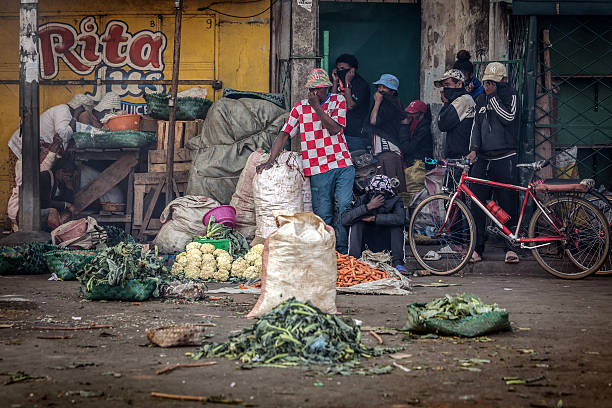
Take, for instance, a walk through any busy African city, and you will most certainly not miss it-the smell of street food hits you right away: the sizzle of akara in Lagos, the smoky nyama choma in Nairobi, or roasted maize in Harare. Hawkers are not just selling snacks; they set the pace of city life. Grabbing food on the go isn't just about convenience; it's a way people connect, earn a living, and keep the city's economy alive-millions rely on this to eat and to work.
Street food trading isn’t new. It’s been woven into African cities for generations, always shifting to fit the times. It started with women cooking for travelers and city workers during the colonial years. Now? It’s a lively, complicated network. Street vendors make up a huge piece of the informal economy. The International Labour Organization says this sector gives up to 60% of jobs and over a third of GDP in lots of African countries.
Still, the numbers don’t always reflect that. Official stats barely notice the street food world. Policymakers usually see hawkers as trouble, clearing them out in the name of “modernization.” But for so many families, hawking isn’t just work, it’s survival. It soaks up jobless youth, keeps food cheap for city workers, and helps cash flow through local communities.
Look at Ghana. In Accra, “chop bars” and roadside vendors feed thousands every day. Dishes like kenkey, banku, and waakye come at prices that help both customers and small farmers. In Kenya, “mama mbogas”—the vegetable sellers—create entire supply chains, linking rural farmers with city folks. Nigeria’s street food scene is massive, too. The informal food economy there moves billions of naira every year, a huge pillar of the country’s GDP, barely mentioned in development reports.
Street food isn’t just about eating. It’s about people coming together. These stalls are where different classes mix, where strangers chat and share a meal. For newcomers from rural villages, hawking offers a way into city life. No degree, no big investment, just grit and maybe a small stove.
Of course, it’s not always easy. Vendors work without insurance, licenses, or steady infrastructure. Many stand in smoke and pollution, dealing with unpredictable law enforcement. Still, the street food business keeps going. It adapts, sometimes faster than formal sectors ever could.
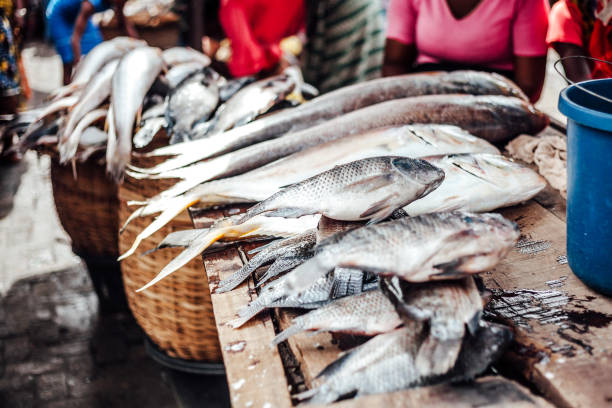
African street food stands out not just for its bold flavors, but for how it works. It’s a marketplace built on trust, quick thinking, and community ties. Behind every street grill or food cart, there’s a story of hustle, hope, and the real heartbeat of the continent’s economy.
Women, Work, and the Power of Informality
Take a walk along the teeming streets of Lagos, Accra, Dar es Salaam, or Addis Ababa, and you catch sight of the same thing: women everywhere, manning the street foods. More than 70% of these vendors are women hustling from dawn till late at night. They turn sidewalks into workplaces, into proof of grit and independence. For many of them, selling food out here isn’t just a job. It’s the only real way to earn a living when formal jobs are scarce and, honestly, tilted against women.
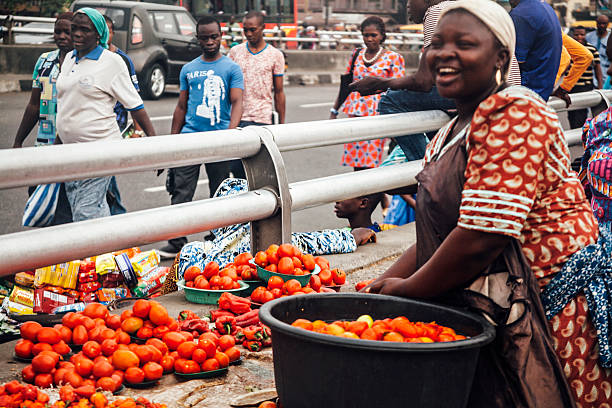
But these women do so much more than just sell. They're providers, innovators, and managers all at once. They juggle family and business, waking up before dawn to chop vegetables, set up stalls, and haggle with suppliers. Most work with next to nothing for profit, but still find ways to pay the rent, put kids through school, and keep their families going.
Women have begun to organize street food cooperatives in Uganda and Senegal. They can pool money through these groups, spread their risks around, and give each other a bit of backup, kind of like a bank, but without the paperwork. It’s all grassroots, but it works.
Of course, informality isn’t easy. Most of these vendors can’t get loans, health insurance, or any real safety net. Their whole day depends on whether people buy what they’re selling. And city officials? They talk about “urban order” and sometimes crack down, seizing goods or tearing down stalls. But these raids never solve the real problem: street vending exists because the formal economy doesn’t reach everyone.
These women adapt even when everything is working against them. They use mobile money to get paid, WhatsApp to chat with suppliers and customers, even Instagram to show off their food. In Nairobi and Accra, street food pages pull in thousands of followers. It’s wild, seeing how street smarts and technology blend together in ways nobody planned.
Here’s the kicker: while governments chase big investors and talk about “SME growth,” they miss what’s right under their noses. These micro-entrepreneurs have already built real businesses that create jobs and keep money moving, just without the fancy paperwork. A woman grilling suya or dishing up jollof rice by the road pumps as much cash into the local economy as some small restaurants, whether the system recognizes it or not.
So when you look at street food in Africa, you see more than just snacks. You see how people adapt, how women turn public spaces into opportunities. Informality isn’t a sign of failure, it’s proof of resilience, of working around obstacles and making something out of nothing.
The Future of the Street Food Economy
African cities are growing fast, but formal jobs aren't keeping up. Thus, the street food economy is at a crossroads, full of potential yet with a lot of hanging questions. Lately, governments have started seeing street vendors in a new light. Instead of treating them like a problem, officials are carving out spaces for hawkers, running hygiene workshops, and rolling out vendor registrations. It's progress, even if it's slow.

Tech is disrupting things as well. Delivery apps like Jumia Food and Glovo are linking up with street vendors, pulling local favorites into the online world. You’ll even spot QR codes on some carts now, and more vendors accept mobile payments. It’s proof that even without much outside help, the informal market finds ways to keep up.
Still, big questions won’t go away. Can these vendors survive if the rules get stricter? Will new regulations help them grow or just box them in? The way governments answer these questions will shape the future of city life across Africa.
Urban planners feel the pressure. They’re stuck between wanting neat, orderly cities and knowing that street food keeps people working and eating. Street vending is messy, yes, but it’s also creative and buzzing with life. Wiping it out for the sake of “clean streets” would mean losing one of Africa’s most open and vital economies.
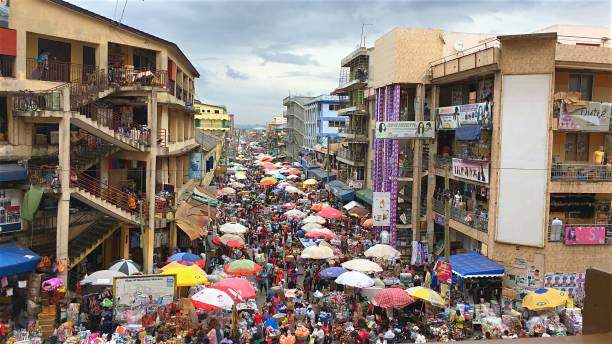
Maybe the answer is a mix of both worlds, a system where street vendors get more support and structure but still keep their independence. Micro-loans, cooperatives, and tech platforms could help turn street food into a recognized, tax-paying part of the economy, without killing its roots.
In the end, the street food scene isn’t just about scraping by. It’s a sign of African resourcefulness. It survives by listening: to hunger, to opportunity, to the rhythm of daily life. Every plate of puff-puff, every bowl of ugali, every stick of suya tells a story you won’t find in any spreadsheet.
How African leaders handle this sector in the coming years will say a lot about what kind of progress they really believe in the kind you read about in glossy reports, or the kind you taste and smell out on the streets among the people.