The Complicated Legacy of Live Aid: Unpacking the World's Biggest Charity Concert
Live Aid, the historic 1985 dual-venue concert organized by Bob Geldof and Midge Ure, mobilized a global audience to raise funds and awareness for the Ethiopian famine. While featuring iconic performances from bands like Queen and U2, the event also saw several major artists, including Michael Jackson and Prince, decline to participate for various reasons. Its lasting legacy as a template for musical benefits is significant, despite facing controversies regarding aid distribution and lineup diversity.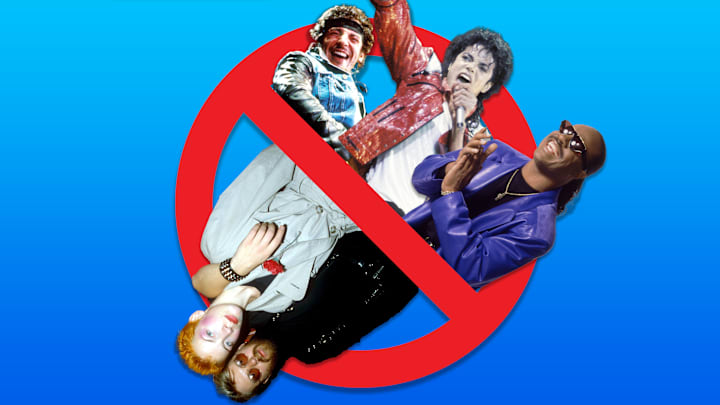
Conceived by Bob Geldof and Midge Ure in response to the devastating Ethiopian famine, Live Aid on July 13, 1985, became an unprecedented global musical event and a pivotal moment in pop culture history. Building upon the success of their initial charity single, "Do They Know It's Christmas?" recorded by the supergroup Band Aid, Geldof envisioned a much larger scale concert to raise funds and awareness. This ambitious undertaking culminated in a dual-venue spectacle held simultaneously at London’s Wembley Stadium and Philadelphia’s John F. Kennedy Stadium, reaching an estimated global audience of nearly 2 billion people and ultimately raising approximately $140 million for famine relief.
The concert featured a star-studded lineup, with over 50 of the music industry's biggest names gracing the stages. Legendary acts such as Queen, U2, David Bowie, Elton John, Paul McCartney, The Who, Bob Dylan, and Madonna delivered memorable performances. Queen's electrifying 21-minute set at Wembley, including hits like "Bohemian Rhapsody" and "We Are the Champions," is widely considered one of the greatest rock gigs in history, cementing Freddie Mercury’s iconic status. U2's performance, particularly Bono's interaction with a fan during "Bad," further propelled them to global stardom. Phil Collins famously performed with Sting in London, then boarded the Concorde to perform his own set and drum for Eric Clapton and a reunited (albeit under-rehearsed) Led Zeppelin in Philadelphia, a testament to the event's unique spirit. Run-DMC's appearance also marked a significant moment for hip-hop, bringing the genre to a massive global audience.
Despite its monumental success and comprehensive lineup, several prominent artists of the era notably declined invitations to perform at Live Aid, each for distinct reasons. Michael Jackson, the reigning King of Pop and co-writer of "We Are The World," was absent, with his press agent citing his intensive studio work on a new project. Jackson's superstar rival, Prince, also chose not to attend, having previously refused to contribute to "We Are The World" due to creative differences; he instead offered a pre-taped video for the parent album. Bruce Springsteen, though he participated in "We Are The World," opted out of Live Aid due to exhaustion from his "Born in the U.S.A." tour and a desire for a honeymoon, a decision he later regretted, admitting he "simply did not realize how big the whole thing was going to be."
Other significant no-shows included Rod Stewart, whose manager, without the singer's knowledge, demanded prime-time news coverage, leading to their absence. Pink Floyd, embroiled in legal disputes following Roger Waters' departure, could not reunite, and organizers were not interested in Waters' new band. Stevie Wonder, initially agreeable, reportedly withdrew due to the lack of diversity in the lineup, stating he wouldn't be "the token Black [person] on the show." Boy George of Culture Club, despite contributing to the genesis of Live Aid through "Do They Know It's Christmas?", claimed discomfort with the "rock pomposity" and later confessed his "hedonistic lifestyle" rendered him unfit to perform.
Further absences included Def Leppard, who had a compelling reason: drummer Rick Allen had recently lost his left arm in a car crash, and the band refused to perform with a different drummer. Annie Lennox of Eurythmics was unable to sing due to throat nodules developed during a strenuous tour. Huey Lewis and the News, initially scheduled to play, pulled out due to concerns about the transparency and effectiveness of how the raised funds would reach the starving people, expressing skepticism about the aid distribution process.
Beyond the performances, Live Aid faced scrutiny regarding its diversity and the ultimate impact of its humanitarian efforts. Initially, there was a noticeable lack of Black artists, prompting organizers to scramble to add acts like The Four Tops, Tina Turner, and Patti LaBelle, though some artists like Dionne Warwick claimed they were never invited. Following the concert, criticism emerged, labeling it as an "anti-colonial diatribe." More significantly, controversies arose concerning the aid money's distribution, with a 1986 SPIN article alleging that funds inadvertently bolstered the regime of Ethiopian dictator Lt. Col. Mengistu Haile Mariam, who reportedly used aid to relocate populations and purchase arms. While Geldof vigorously defended the integrity of Live Aid’s operations, acknowledging a willingness to "shake hands with the devil" to deliver aid, experts like Alex de Waal posited that while the event cut famine deaths, it might also have indirectly contributed to others.
Despite these controversies, Live Aid's legacy is undeniable. It not only spotlighted the Ethiopian crisis on a global scale but also established a new blueprint for high-profile musical benefits. This model inspired subsequent events such as Farm Aid (1985), Human Rights Now! (1988), The Concert for New York City (2001), and Live 8 (2005), which aimed to pressure G8 leaders on African debt relief. Geldof continued to be involved in philanthropic efforts, including designing an emblem for the COVID-19 Solidarity Response Fund. In his later reflections, Geldof mused on the "Achilles heel of humanity" being its hubris, acknowledging nature's power and the temporary nature of human solidarity, suggesting that while people understand their fragility, this awareness often fades.