The Biology of Belonging: How a Mother’s Cells Can Remain in Her Child’s Brain for Decades
Scientists have found that cells from your mother can remain in your body for decades, including in the brain. Here’s what microchimerism reveals about pregnancy and identity.
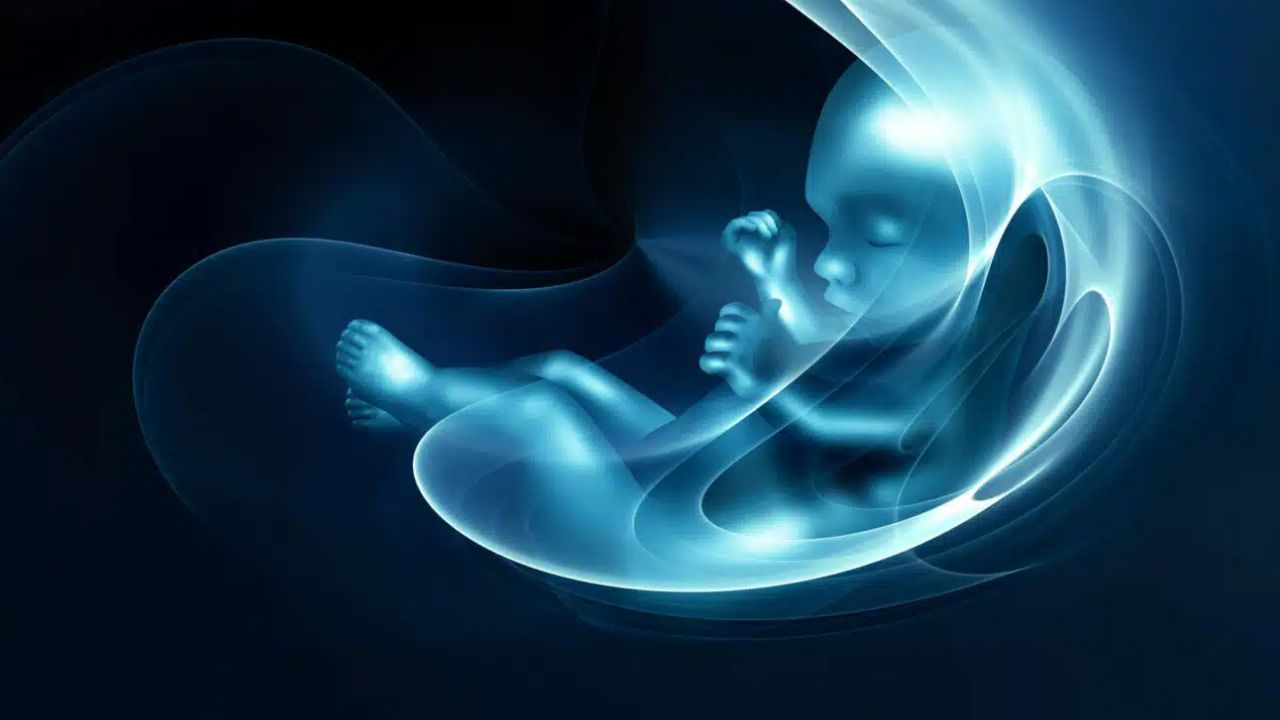
Somewhere in your brain, heart, or liver, there may be cells that are not genetically yours. They may belong to your mother. If you have children, some of your own cells may be living inside them too, even after decades after birth.
This phenomenon is called microchimerism, borrowed from the mythological chimera, a creature stitched together from more than one animal.
What Is Microchimerism?
Microchimerism describes the presence of a small population of cells in one person's body that genetically belong to another individual. It happens most commonly through pregnancy.
During gestation, the placenta is not a sealed wall between mother and fetus. It is more like a busy checkpoint, and cells slip through it in both directions.
Fetal cells travel into the mother's bloodstream and settle in her organs. Maternal cells travel into the fetus and take up residence in developing tissue.
Once there, some of these cells do not simply pass through. They integrate, adapt to their new environment, and in certain cases even take on the identity of the surrounding tissue, functioning as heart cells, liver cells or neurons.
How Long Do These Cells Survive in the Body?
Longer than most people would guess. Research from a Seattle-based group led by immunologist J. Lee Nelson found genetically male cells, presumably from a son, in more than 60% of examined female brains, sometimes decades after the pregnancy that introduced them.
In one case, male DNA was still detectable in a woman's brain well into her 90s.
It runs the other way as well. A study published in the Journal of Clinical Investigation by Sean Maloney and colleagues detected maternal cells circulating in the blood of adult children as old as 49.
More recent brain-tissue research has found maternal cells present in a large majority of examined human brain samples, distributed across multiple regions including the hippocampus, and persisting into advanced age.
Where in the Body Do These Cells Go?
Fetal and maternal microchimeric cells have been recovered from an unusually wide range of tissue types, including the heart, lungs, liver, kidneys, skin, thyroid, and bone marrow, in addition to the brain. The quantities involved are small.
In many tissues, researchers describe only a handful of foreign cells per hundred thousand native ones. But sensitive detection methods, such as polymerase chain reaction techniques tuned to specific genetic markers, have made it possible to confirm their presence with far greater consistency than earlier tools allowed.
Do These Cells Actually Do Anything?
A 2022 study published in Nature Communications examined maternal microchimeric cells in the developing brains of mice and found they were not passive hitchhikers. These cells helped regulate microglia, the brain's resident immune cells, and supported healthy synaptic pruning and the maturation of neural circuits tied to behavior.
In other words, cells from the mother appear to actively participate in shaping how the offspring's brain develops.
Separate work out of Cincinnati Children's Hospital has shown that maternal cells retained in children help the immune system recognize and tolerate proteins inherited from the mother. This is a process with implications for future pregnancies and for certain inherited immune conditions.
Some researchers have also proposed that fetal cells lodged in maternal tissue assist with wound repair, migrating toward injury sites and contributing to regeneration.
What This Means for How We Think About Identity
If a portion of your brain tissue was seeded by your mother, and if her cells possibly carry traces of her own mother before her, then the boundary between individuals is less absolute at the cellular level than it appears at the level of skin and bone.
You may be, in a very literal sense, partly composed of the people who came before you.
Scientists are still working out what these cells are doing long-term, whether they are protective, neutral, or occasionally implicated in autoimmune conditions.

What is already clear is that pregnancy leaves a lasting cellular signature in both directions, one that can persist for a lifetime.