Solar Eclipse Today: 5 Things You Need to Know
A solar eclipse is happening today, but Africa will not see the same show everywhere. Find out which countries can see it, when it starts, how much of the Sun will be covered, and how to watch it without risking your eyes.
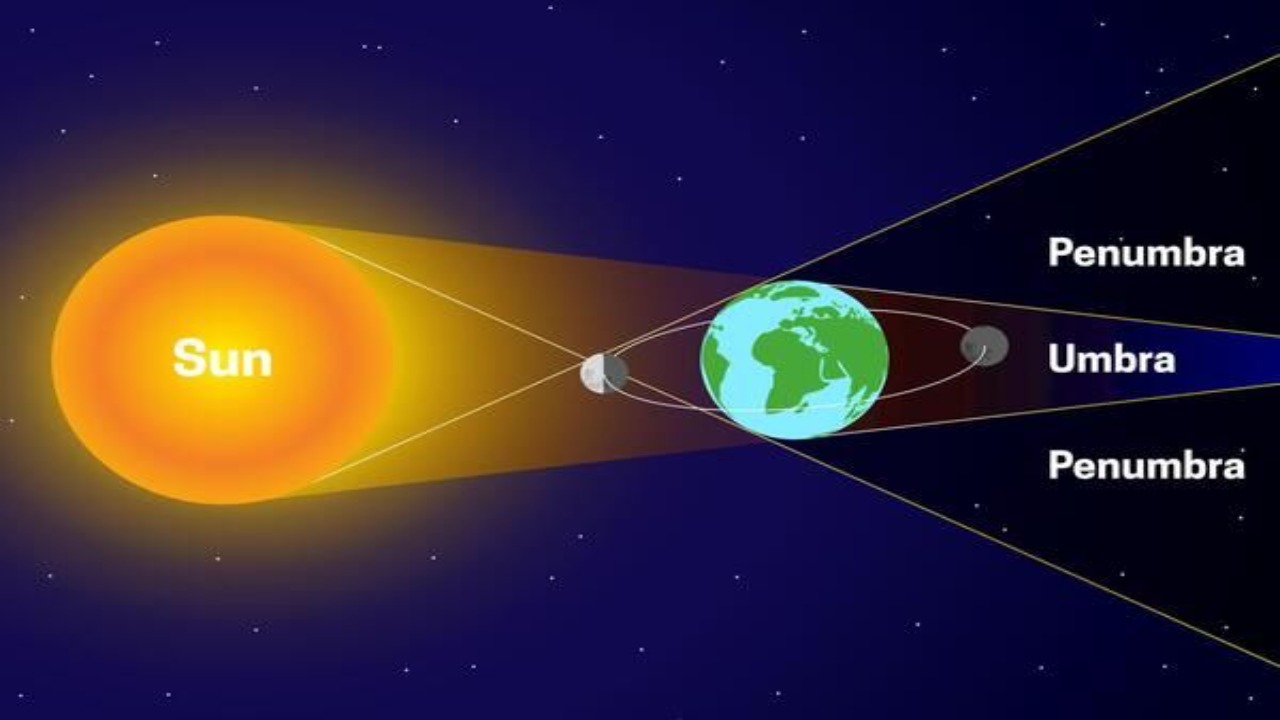
If you were not aware that a solar eclipse is happening today, August 12, 2026, well, now you know. But before you rush outside and start looking at the Sun, there is one important detail: not every African country will see it, and Nigeria is not one of them.
The Moon will pass between the Earth and the Sun today, creating a total solar eclipse along a narrow path. Across parts of Africa, however, people will see a partial eclipse, with the amount of the Sun covered varying from country to country.
The African countries where a partial solar eclipse will be visible include Algeria, Morocco, Tunisia, Mauritania, Mali, Niger, Senegal, The Gambia, Guinea, Guinea-Bissau, Sierra Leone, Liberia, Côte d'Ivoire, Ghana and Cabo Verde.
In Algeria, the eclipse will cover more than 90% of the Sun in some locations, while Tangier in Morocco will see about 92% coverage. In Ghana, by comparison, the eclipse will be much shorter and less dramatic, lasting only a few minutes in some locations.
So, if you are in one of the countries where it will be visible, today is the day to pay attention to the sky. Here are five things you need to know about the August 12 solar eclipse.
1. What is actually happening in the sky today?
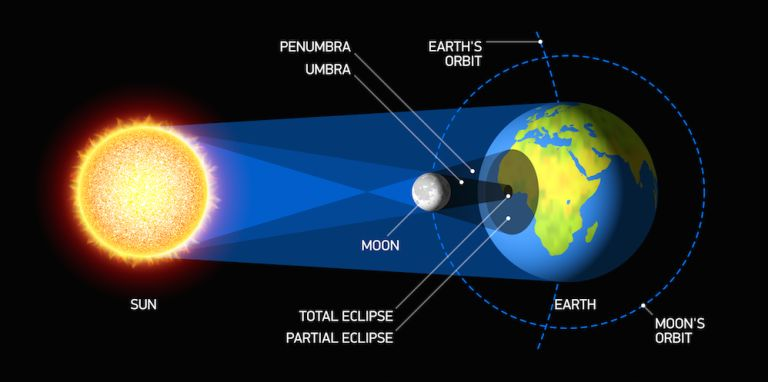
A solar eclipse happens when the Moon moves between the Earth and the Sun, blocking some or all of the Sun from our view. Today's event is a total solar eclipse, but that does not mean everyone watching it will see the Moon completely cover the Sun.
The total eclipse will be visible along a narrow path stretching across parts of Greenland, Iceland, northern Russia, Spain and a small part of Portugal. Outside that path, including parts of Africa, people will see a partial solar eclipse, meaning the Moon will cover only part of the Sun.
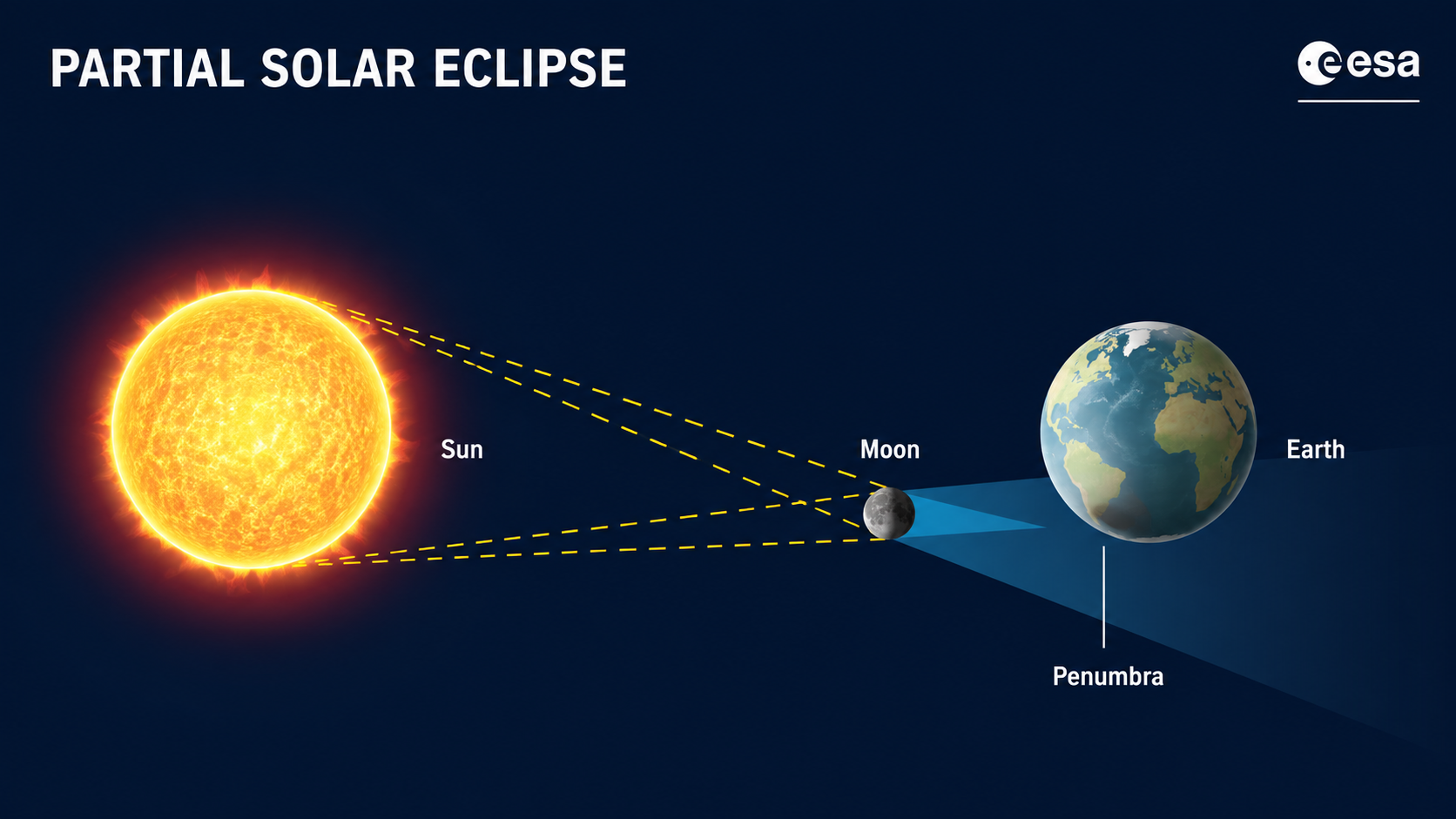
The eclipse begins globally at about 3:34 p.m. GMT (4:34 p.m. WAT), but the exact time it becomes visible depends on your location. In parts of northwestern Africa, the partial eclipse will appear later in the afternoon, around sunset.
2. Which African countries can see it?
If you are in Morocco, Algeria, Tunisia, Mauritania, Mali, Senegal, The Gambia, Guinea, Guinea-Bissau, Sierra Leone, Côte d'Ivoire, Ghana or Cabo Verde, you may be able to catch some part of today's eclipse, depending on your exact location and local conditions.
The strongest views in Africa will be in the northwest. Parts of Algeria and Morocco will see a very deep partial eclipse, with the Moon covering most of the Sun in some locations. The eclipse will also be visible across parts of West Africa, although the amount of the Sun covered will be smaller.
So if you are in one of these countries, do not assume that everyone around you will see exactly what you see.
3. Do not look directly at the Sun
This is probably the most important thing on this entire list.
Even during a partial solar eclipse, the uncovered part of the Sun is still bright enough to damage your eyes. Ordinary sunglasses do not make it safe to stare at the Sun, and neither do homemade filters or random pieces of glass.
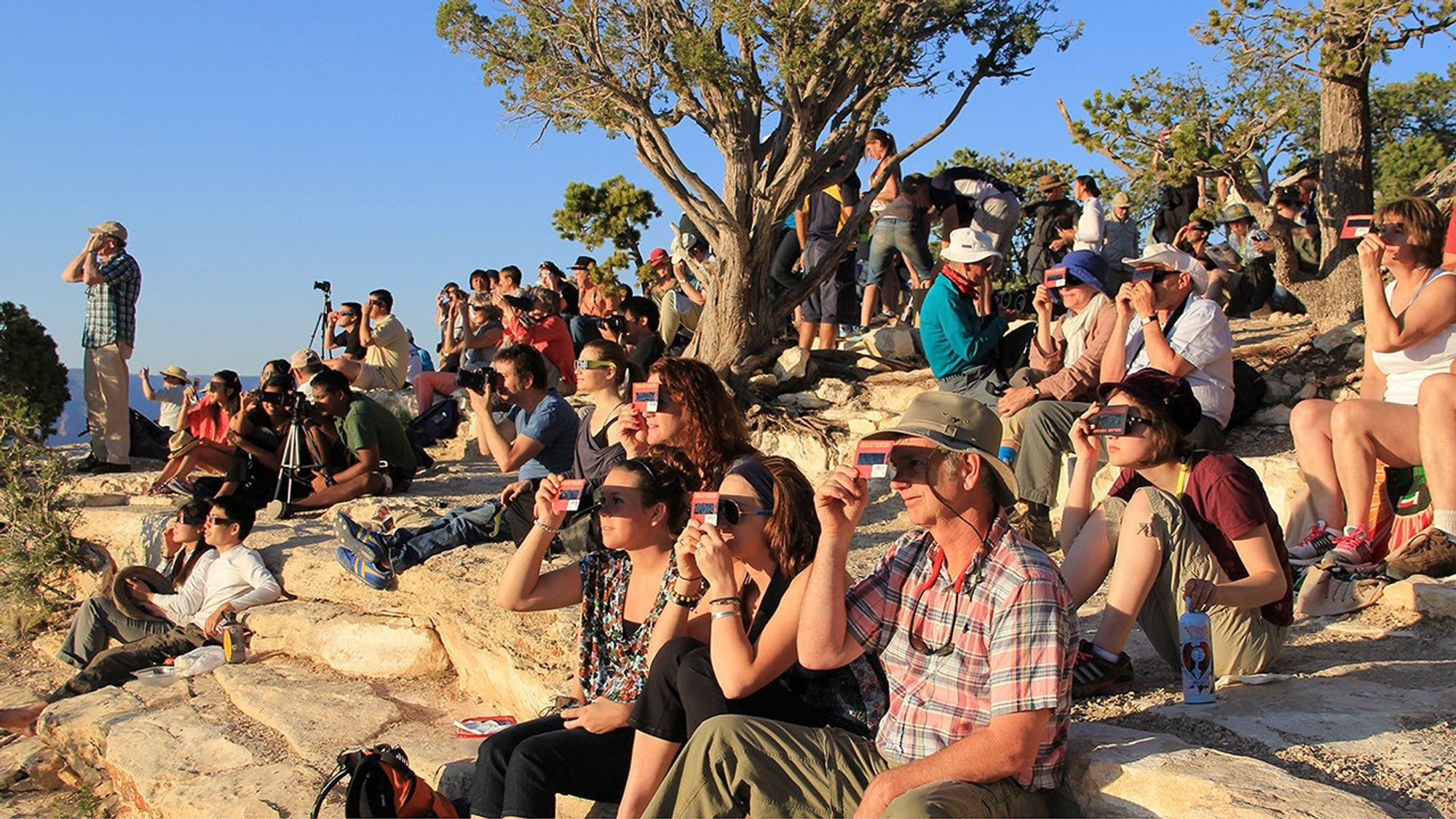
And if you are wondering whether you can just take a quick look because the Sun is mostly covered, please do not. The fact that 90% or even 99% of the Sun is covered does not make the remaining sunlight harmless.
4. Your location will determine how much of the eclipse you see
This is where the whole thing gets interesting.
A solar eclipse does not look identical from every place on Earth. The Moon's shadow moves across the planet, and the closer your location is to the path of the eclipse, the more of the Sun you may see covered.
That is why Algeria and Morocco will get a much more dramatic view than countries farther south and west. In some parts of northern Algeria, almost the entire visible disc of the Sun will be covered. Meanwhile, observers in other parts of West Africa will see a smaller portion disappear.
So before you start planning your eclipse-watching moment, check the timing and visibility for your specific city.

To find the local timing for an eclipse in your city, use online tracking tools like the Time and Date Eclipse Calculator or NASA Solar Eclipse Explorer, where you can type in your specific city name to see exact local contact times, percentages, and visibility maps.
Being in the right country does not automatically mean you will get the best view.
5. Nigeria may not be getting the dramatic eclipse you have seen online
If you are in Nigeria and have been seeing people online talking about today's eclipse, do not assume the videos and pictures you see will look the same from your location.
The August 12 eclipse is primarily a Northern Hemisphere event, with the total phase crossing the Arctic, Greenland, Iceland, northern Spain and Portugal, while parts of Africa fall within the broader region where a partial eclipse can be seen.
In other words, this is not one of those events where the entire continent suddenly goes dark at the same time. What happens in the sky depends heavily on where you are standing.
And honestly, that is one of the easiest things to forget when social media starts filling up with eclipse content. Someone in Algeria may be posting a nearly covered Sun, while someone hundreds or thousands of kilometres away may barely notice anything unusual.
So if you are not aware that a solar eclipse is happening today, now you are. If you are in an area where it is visible, check your local timing and use proper eye protection. If it is not visible from where you are, enjoy the pictures without trying to recreate someone else's view.