Should Films Reflect Reality or Reimagine It? The Debate Over Cinematic Realism in Nollywood
Should films reflect reality or reimagine it? A critical look at Nollywood’s ongoing debate over cinematic realism, audience expectations, and whether Nigerian films owe viewers strict accuracy or creative freedom.

One of the functions of literature etched into my memory, from secondary school through four years of university English literature classes, is this: literature mirrors the society.
As a fiction writer, I hold realism as near-sacred. Outside of fantasy, a story set in a recognisable world must operate by the rules of that world.
Films are no different. They begin as written words before becoming literature in motion, and they carry an obligation to tell the truth about the world they claim to inhabit.
But the film industry rarely makes this simple.
Why Cinematic Realism Matters for African Film Audiences
Realism in film runs beyond a stylistic preference and flows into a well of trust. When a filmmaker sets their story in Lagos or Abuja, they are asking the audience to believe in that world.
Viewers who live that world bring a different kind of scrutiny than the average international viewer. They notice the wrong uniform colour. They catch the accent that belongs to no particular state. They see the police station that looks imported from an American procedural.
This is the tension at the heart of Nollywood's relationship with its audience: the industry chasing global recognition and streaming values, while still serving home audiences who know how the Nigerian prison uniform looks like.
Blood Sisters Season 2 and the Prison Uniform Controversy
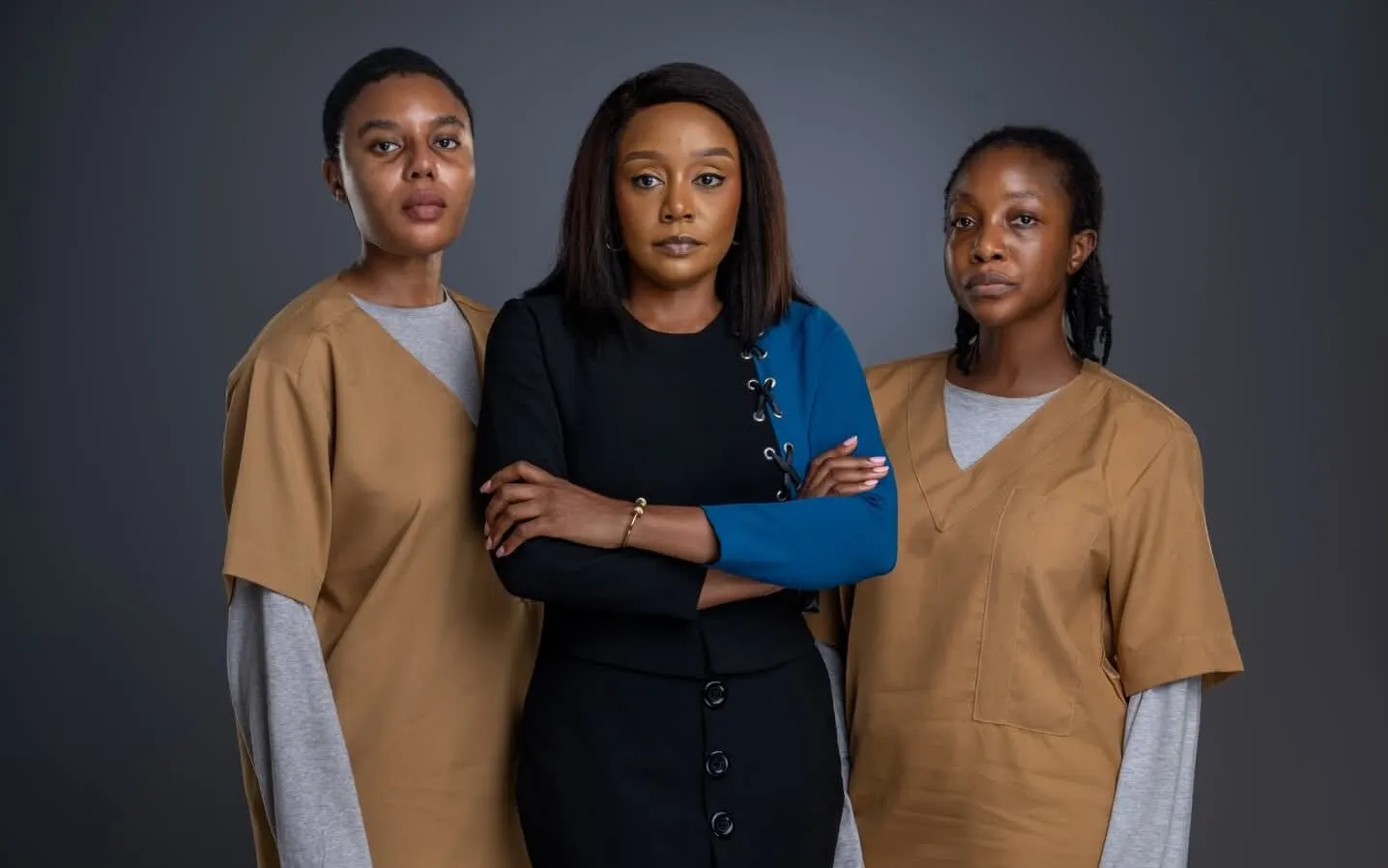
No recent example crystallises this tension more sharply than the Blood Sisters Season 2 teaser, released in May 2026.
It immediately generated widespread criticism on X, with viewers targeting the prison uniforms as unrealistic. The Nigerian Correctional Service uses specific colours; dark green for convicted inmates and light blue for those on remand.
The teaser showed something entirely different, and commenters noticed immediately. Beyond colour, the prison hierarchy, costuming and sweatshirts worn beneath, very impractical in Nigeria's heat, quietly mirrored the American prison system more than any Nigerian facility.
The comment sections fractured predictably. One camp insisted that if the story is set in Nigeria, it must reflect Nigerian institutional realities. The other pushed back, stating that filmmakers are not documentarians.
Some analysts raised a longer Nollywood tradition of deliberately altering official uniforms to avoid regulatory trouble with state authorities protective of their insignia, which is a pragmatic explanation that does not fully satisfy.
A legal workaround does not explain why aesthetic choices consistently drift towards American visual grammar rather than any indigenised alternative.
The sharper version of the critique was this: if the show cannot or will not reflect Nigerian institutional realities, why insist on setting it in Nigeria?
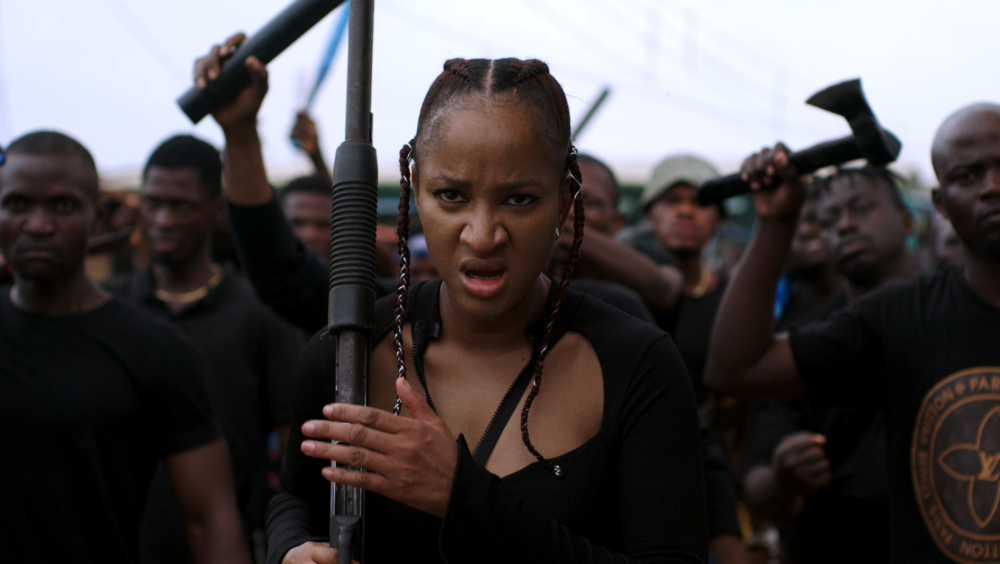
Blood Sisters is not alone in this indictment. Films like Gangs of Lagos and Shanty Town were praised for their ambition and production quality, yet drew criticism for reinforcing fatalistic views about crime, aestheticising the very conditions they claimed to critique.
The through-line is not that Nollywood simply gets things wrong. It is that Nollywood sometimes adopts the visual languages and structural tropes of Western cinema without translating them into a Nigerian idiom.
When Realism Triggers Backlash: The Case of The Herd
If the critics want realism, The Herd should have settled the argument. It did not.
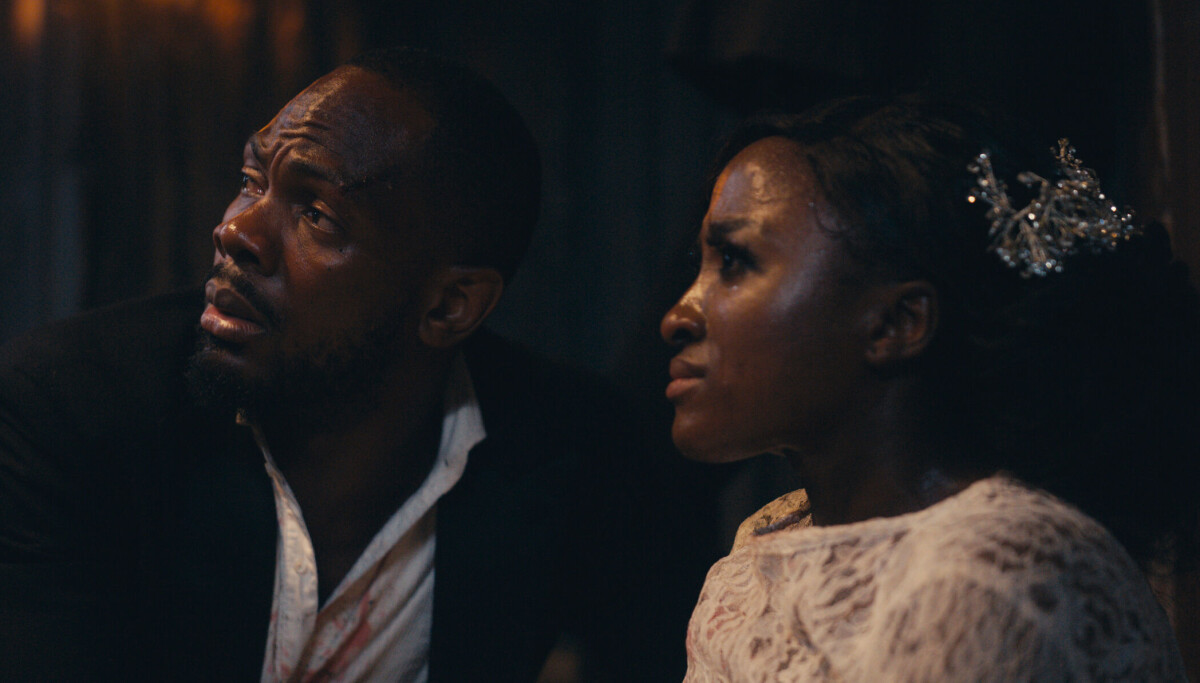
Directed by Daniel Etim Effiong and released in October 2025, the film blends thriller elements with an unflinching reflection of Nigeria's insecurity crisis. The story follows a family ambushed by armed bandits during a celebration, drawn directly from real-life patterns of violence in Nigeria's northwest and north-central regions.
It garnered over 30 million Netflix views. The realism landed and then the internet exploded.

Critics accused the filmmakers of reinforcing stereotypes that demonise Fulani herders and Hausa communities, with some calling for the film to be banned.
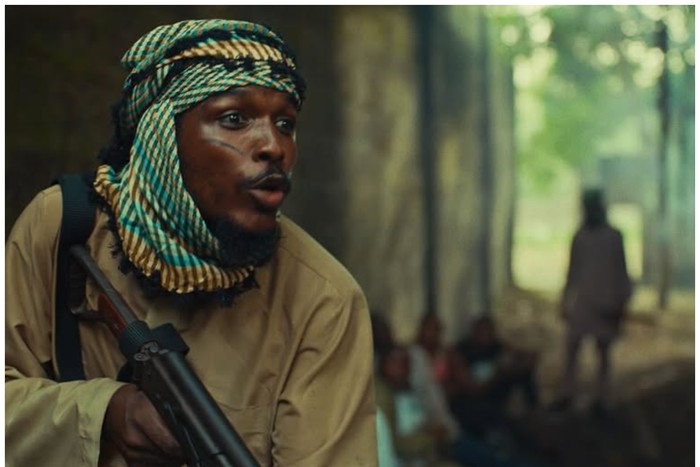
Former presidential aide, Bashir Ahmad, argued the film flattened a complex crisisinto a single story, ignoring that most herders are themselves victims. Yet defenders raised the obvious paradox: this was exactly the realism audiences claimed to want.
One reviewer argued the film showcased what Nigeria was living through, and that though it faced backlash, it was nothing but the truth.
The Herd illustrates the trap realism sets for itself. When cinema faithfully reflects a painful, politically charged reality, it still inherits the same controversy.
Do Audiences Actually Want Realism or Do They Want Recognition?
This is where the debate arrives at its honest reckoning. The Blood Sisters commenters were not demanding a documentary. They were demanding recognition — the feeling that the world on screen acknowledges the world they inhabit. That is a legitimate request.
Audiences do not want every film to be a sociological record. They want the emotional contract of fiction honoured.
When a film is set in Nigeria, part of that contract is that Nigeria must be legible in it, not just in its skylines and accents, but in its systems, its textures and its institutional failures.
What the Blood Sisters backlash and The Herd controversy reveal together is not a simple preference for realism over imagination. They reveal an audience that wants filmmakers to be intentional, to have done the research and be able to defend their choices.
Creative license is legitimate. Intellectual laziness is not.
The debate over cinematic realism in Nollywood is ultimately about respect, for the audience's intelligence, for the society being depicted and for the craft itself.
Reimagination is valid. But reimagination built on borrowed aesthetics and insufficient groundwork is just distortion framed as creative freedom.