Shocking AFCON 2025 Ruling: Senegal Stripped, Morocco Crowned, Super Eagles Gain Nothing
The 2026 Africa Cup of Nations has been marred by controversy after CAF stripped Senegal of their title two months after the final, awarding it to Morocco due to a walk-off incident. This unprecedented ruling, based on obscure regulations, has severely damaged AFCON's credibility, although it does not affect Nigeria's third-place finish or financial rewards.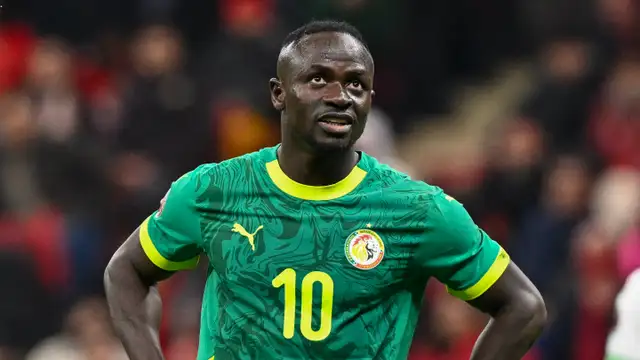
The Confederation of African Football (CAF) announced the decision on Tuesday evening to crown Morocco champions two months after the acrimonious conclusion to the tournament.
Therefore, Senegal have been stripped of their title for leaving the pitch, and it has been declared that they forfeited.
Tournament hosts Morocco are now considered 3-0 winners of the final, which took place on January 18, ending a 49-year wait for their second AFCON title.
Senegal's government has called for an international independent inquiry into suspected corruption at CAF.
A statement from the Secretary of State to Senegal's Prime Minister claimed the ruling "contradicts" the principles of sporting ethics. Sky Sports News has approached CAF for comment.
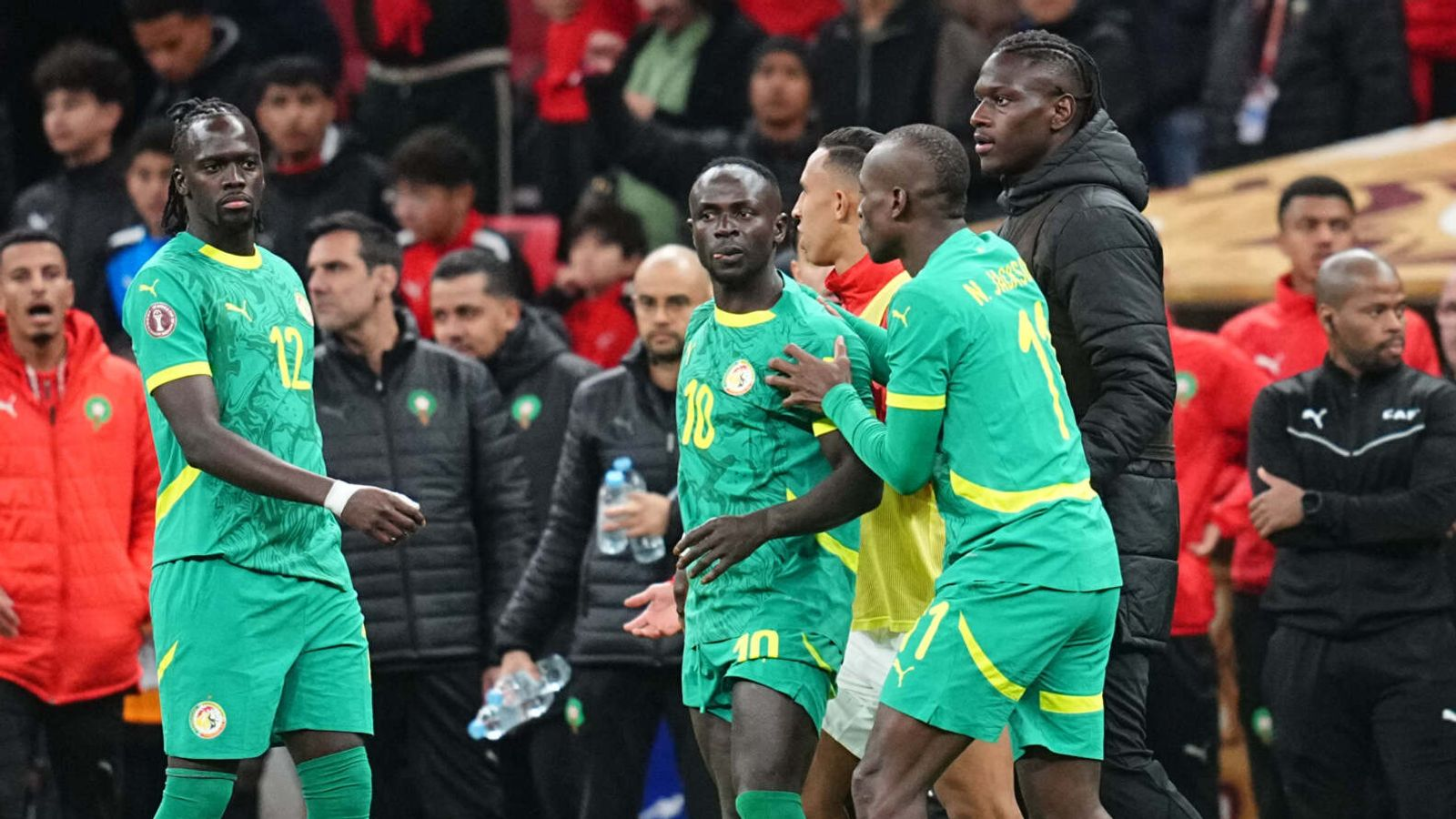
Senegal triumphed 1-0 after extra-time, after controversially exiting the field in protest after hosts, Morocco were awarded a contentious stoppage-time penalty, delaying the game for 17 minutes.
Brahim Diaz missed from the spot, his panenka comfortably saved, when play eventually resumed after Sadio Mane convinced his team-mates to return and Senegal won the final thanks to Pape Gueye's goal in extra-time.
CAF says Senegal infringed on article 82 of AFCON's regulations, which states if a team refuses to play or leaves the ground before the end of regulation time without the refereee's authorisation, it will be considered the loser and eliminated from the competition.
Article 84 states any team that violates article 82 will be permanently eliminated and lose the match 3-0.
In a statement released on Wednesday evening, the Royal Moroccan Football Federation said it had:
"never been about challenging the sporting performances of the teams involved".
"Following the decision by the CAF Appeal Board, the Royal Moroccan Football Federation (FRMF) welcomes a ruling that upholds respect for rules that are necessary for the proper functioning of international competition.
"From the moment the final was interrupted, the FRMF has been clear in its position and goal: the application of regulations governing the competition.
"It has never been about challenging the sporting performance of the teams involved, but solely to ensure that the tournament rules are respected."
Senegal will now appeal to CAS which typically takes about a year to reach a verdict.
Responding via a statement on X, the Senegal federation branded the decision "iniquitous, unprecedented and unacceptable", saying it "threw discredit on African football".
"For the defence of the rights and interests of Senegalese football, the federation will engage, with the shortest delay, an appeal procedure before the Court of Arbitration for Sport in Lausanne," the statement added.
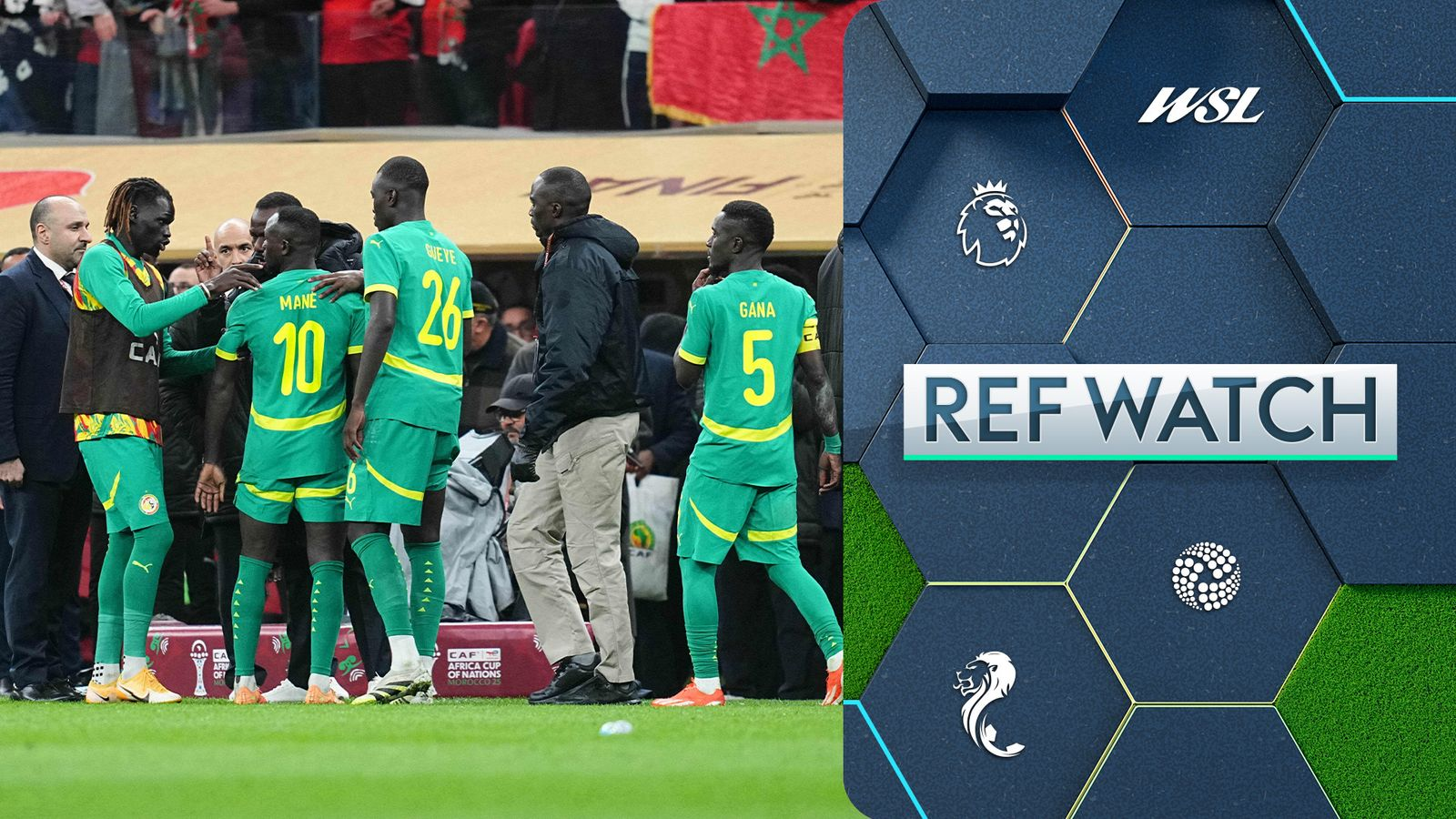
The Senegalese football federation's secretary general called the decision a "shame for Africa" in an interview with public broadcaster Radiodiffusion Télévision Sénégalaise.
The result is an outcome of an appeal made by Morocco's football federation, which welcomed the verdict in an initial response.

Morocco said the appeal was never "intended to challenge the sporting performance of the teams" only "to request the application of the competition's regulations".
CAF based its decision on Articles 82, 84, and 85, which state that if a team refuses to continue a match or walks off without permission, they automatically forfeit and lose 3–0.
They may also face extra punishment.
The Appeal Board said the problem only happened in the final match, so the ruling applies only to that game; It does not affect earlier matches or change the tournament results.
For Nigeria, nothing changes. Their third-place finish at AFCON 2026 remains valid after beating Egypt, following their semi-final loss to Morocco on penalties.
CAF did not review any of Nigeria’s games, and there was no issue raised about them and so, their bronze medal result stays official and unchanged.
Knockout tournaments are simple: teams progress based only on the matches they win. There is no system that changes rankings afterward.
So, Nigeria’s position cannot change, even after the final controversy.
If a team in the final is punished, it does not move a semi-finalist like Nigeria up the table. Morocco is still confirmed as the winner, while Senegal faces its own punishment from the final. Nigeria’s third place stays the same.
There is also no change in prize money. According to Confederation of African Football rules, all semi-finalists receive the same reward, no matter if they finish third or fourth.
In short, only Morocco and Senegal are affected. Nigeria’s result and rewards remain unchanged, and they can now focus on future tournaments.