Senegambia: Senegal and The Gambia Once Ran a Confederation Together. What Happened?
On September 30, 1989, the Senegambia Confederation ended after eight years of political, security and economic cooperation between Senegal and The Gambia, while both remained sovereign states.
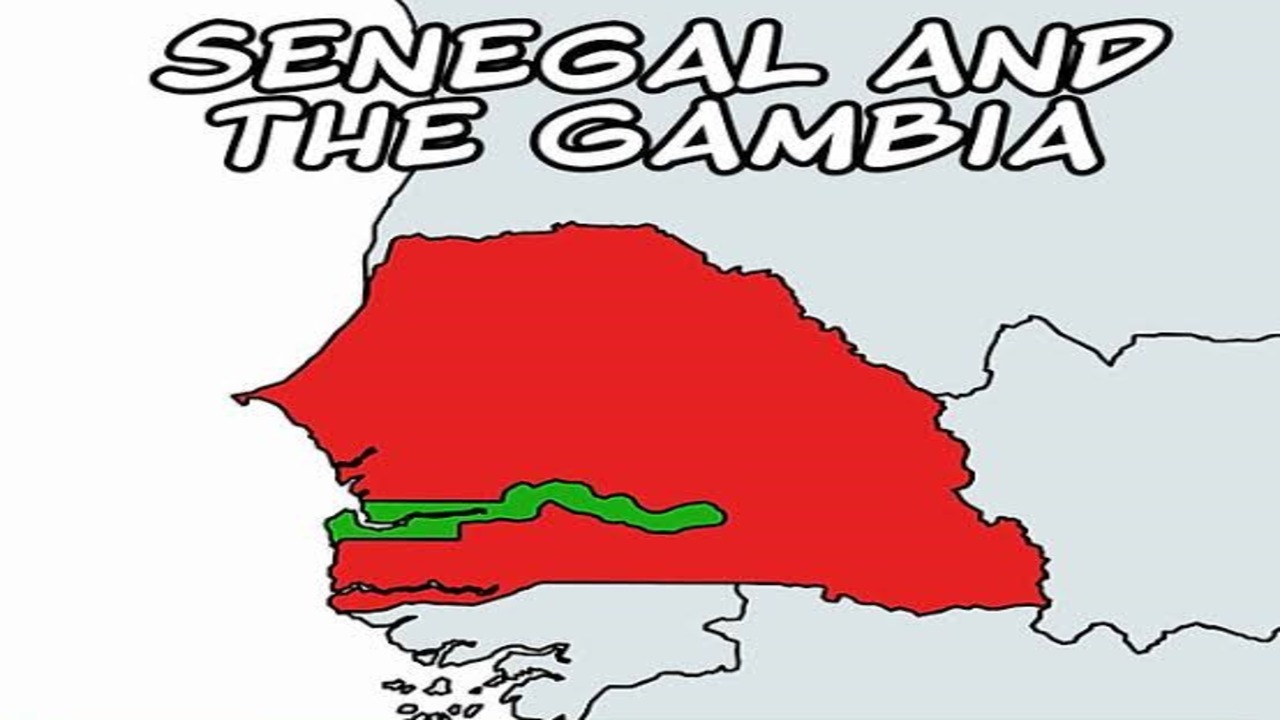
On July 30, 1981, President Dawda Jawara was in London for the wedding of Prince Charles and Lady Diana when an armed uprising broke out in The Gambia. He called Senegal for help. Senegalese troops entered the country, retook Banjul and restored his government.
A few months later, the two countries signed an agreement creating the Senegambia Confederation, bringing their governments, security forces and some areas of policy into a shared framework while leaving Senegal and The Gambia as separate states.
The Confederation's end is commonly dated to September 30, 1989. Thedissolution agreement had been signed days earlier, but September 30 was the date the agreed winding-up took effect.
Why the two countries came together
The Gambia is almost completely surrounded by Senegal, apart from its Atlantic coastline. The Gambia River cuts through the country, but it never stopped communities, families and traders from moving across the border. The two governments had also cooperated before 1981.
Then came the uprising.
Led by Kukoi Samba Sanyang, the rebellion involved members of The Gambia's paramilitaryField Force. The country had no standing army, leaving Jawara dependent on Senegalese help.
The rescue itself was complicated. AWashington Post report from Banjul described Gambians refusing to help Senegalese soldiers pursue remaining rebels and reported resentment over the presence of Senegalese troops.
Still, the crisis pushed the two governments towards a much closer arrangement. On December 17, 1981, Jawara and Senegalese President Abdou Diouf signed the agreement establishing Senegambia in Dakar. It came into force on February 1, 1982.
What they actually built
This was more than a friendship agreement between two presidents.
Senegambia had a President and Vice-President, Council of Ministers, Confederal Parliament and permanent secretariat. Diouf became president and Jawara vice-president.
The agreement provided for integrated armed and security forces, an economic and monetary union, coordinated foreign relations and cooperation in communications. Later protocols extended cooperation to defence, telecommunications, transport and information.
Some of this worked as communications and transport saw practical cooperation but the harder ambitions, particularly the economic and monetary union, proved much more difficult.
The imbalance between the two countries was built into the structure too. Senegal held two-thirds of the seats in the Confederal Parliament and paid two-thirds of the confederal budget. The Gambia had the remaining third.
History
Rewind the Stories that Made Africa, Africa
A Journey Through Time, Narrated with Insight.
That difference mattered because the Confederation was trying to bring two countries closer without making the smaller one feel absorbed by the larger.
How the arrangement began to strain
Trade exposed that tension.
Banjul had built an important re-export business around its port and relatively liberal trade policies. Goods could enter through The Gambia and move into neighbouring markets.
A customs union with Senegal threatened to change that system, giving the Gambian government a reason to be cautious about deeper economic integration.

The political arrangement had a similar problem. Diouf had been president of the Confederation from the beginning, while Jawara remained vice-president. By 1989, The Gambia was pushing for the presidency and vice-presidency to rotate between the two countries.
Then the security arrangement itself started coming apart.
On August 19, 1989, Senegal withdrew some of its troops from The Gambia, including soldiers serving as Jawara's presidential guard. The Gambian government complained that it had not been notified. Senegal said the troops were needed because of its dispute with Mauritania and the conflict in Casamance.
Five days later, Diouf announced in a televised address that the Confederation had failed to meet its objectives and should be"frozen." He said the troop withdrawal would be the first step. Jawara accepted the proposal on September 1.
By September 18, the two governments had agreed on a protocol to dissolve the Confederation. The arrangement that had begun with Senegalese troops entering Banjul eight years earlier was now being dismantled by the same two governments.
Why the experiment ended, and what remained
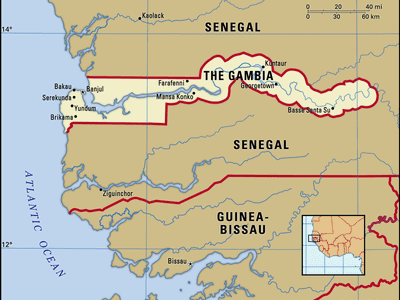
By September 1989, the confederation was being dismantled. A protocol signed on September 18 set the dissolution to take effect on September 30, after Senegal had begun withdrawing troops and President Abdou Diouf had called for the arrangement to be frozen.
The two countries did not sever relations. They returned to a less ambitious form of cooperation, signing a Treaty of Friendship and Cooperation in 1991.
More than three decades later, West Africa has another confederation experiment in the Alliance of Sahel States, created by Burkina Faso, Mali and Niger in 2024 after their governmentswithdrew from ECOWAS.
The circumstances are different, but the comparison puts Senegambia back into view: West African states have repeatedly tried to work out how much sovereignty they are willing to pool while still remaining separate countries.
History
Rewind the Stories that Made Africa, Africa
A Journey Through Time, Narrated with Insight.