Secret Diplomacy: EU Officials Meet Taliban in Brussels Over Afghan Deportations
The European Commission and 15 member states held a controversial meeting with a Taliban delegation in Brussels to discuss the deportation of Afghan migrants, particularly those who have committed serious crimes or pose security threats. Critics decried the engagement as legitimizing an authoritarian regime known for severe human rights abuses, while the EU seeks to improve low migrant return rates. The meeting underscores a broader and challenging EU strategy amid ongoing Afghan arrivals and asylum requests.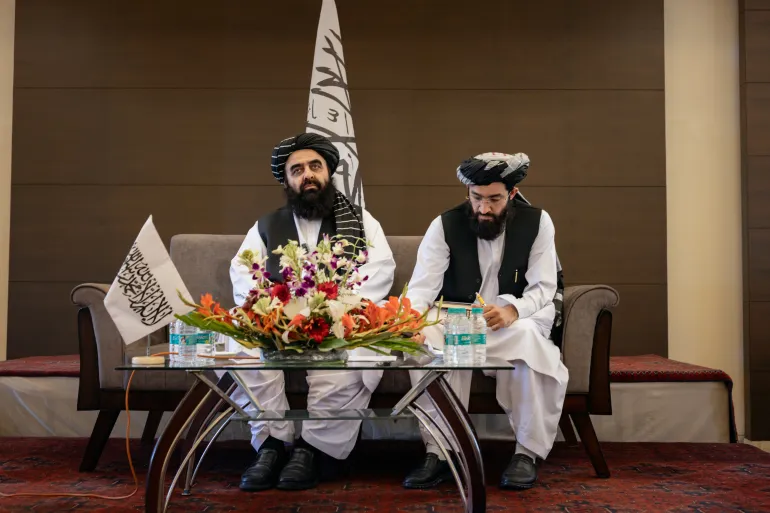
The officials from the European Commission and 15 member states held a discreet meeting with a Taliban delegation in Brussels on Tuesday, aiming to accelerate the deportation of Afghan migrants.
The meeting, co-chaired by Sweden and held outside the Commission's institutional premises, was conducted at a strictly technical level due to the lack of recognition of the Taliban government, which assumed control of Afghanistan in 2021.
The primary focus of discussions was the return of irregular Afghan migrants "who have committed serious crimes or pose a security threat."
European countries frequently face difficulties repatriating these individuals because Afghan authorities often refuse to accept them.
Swedish Migration Minister Johan Forssell emphasized the critical need to deport such criminals, noting that approximately 200 Afghan nationals in Sweden are awaiting deportation for serious offenses like aggravated rape and drug trafficking.
Forssell defended the engagement by stating his government's obligation to negotiate with authoritarian regimes when necessary to "protect Swedish interests."
This engagement with the Taliban is part of a broader EU strategy to enhance the return rate of irregular migrants to their countries of origin, a rate that currently stands at a low 29 percent.
The deportations have proven particularly challenging for Afghan nationals. Eurostat data indicates that out of 14,270 Afghan nationals ordered to leave the EU in the first nine months of 2025, only 340 were successfully returned, representing a mere 2 percent return rate.
Concurrently, arrivals of Afghans into Europe persist, with over 3,300 irregularly crossing EU borders in the first four months of 2026, predominantly via the Eastern Mediterranean route.
In 2025, more than 63,000 Afghan nationals sought asylum in the EU, accounting for 10 percent of all asylum seekers.
The Commission's decision to engage with the Taliban comes amid mounting pressure from various EU capitals.
In October, 19 member states and Norway endorsed a letter advocating for a unified approach to increase deportations, signaling their willingness to directly interact with Kabul.
Technical contacts between the EU and the Taliban have been ongoing for several months, with Tuesday's meeting serving as a follow-up to a Commission delegation's visit to Kabul in January.
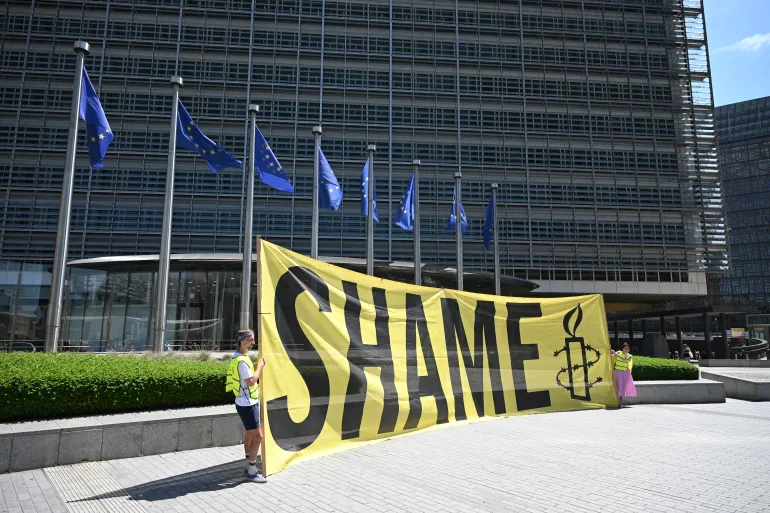
However, the meeting has drawn harsh criticism from progressive lawmakers and civil society organizations, who view liaisoning with the Taliban regime as a "shameful chapter" for Europe.
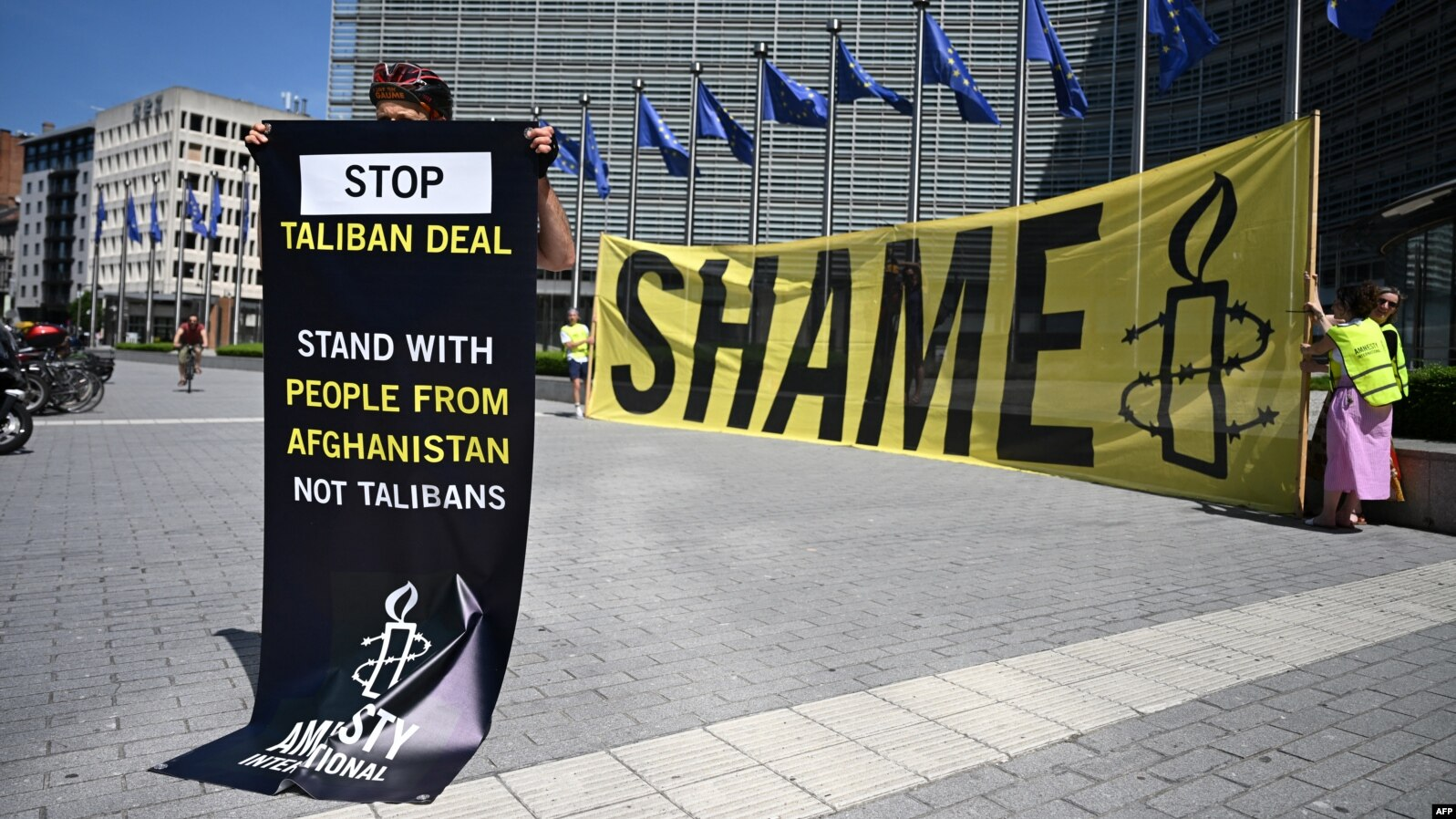
Critics argue that such engagement risks "normalizing" ties with an authoritarian government notorious for its severe human rights violations, particularly against women and girls, and its imposition of a system of gender apartheid.
Afghanistan was ranked the 140th out of 142 countries in the Rule of Law Index by the World Justice Project.
Questions have also been raised regarding potential financial compensation from Brussels to the Taliban government in exchange for accepting returning nationals. The Commission maintains that the dialogue currently involves no political commitments.
Socialist MEP Cecilia Strada condemned the meeting for granting legitimacy to a regime that systematically oppresses women and denies fundamental freedoms.
Similarly, Green MEP Saskia Bricmont deemed it "unacceptable" to host representatives of such a regime.

A recent non-binding resolution approved by the European Parliament urged the Commission to uphold the non-recognition and non-normalisation of the Taliban and deplored the decision to invite them to Brussels.
Furthermore, a provision in new migration law that would have permitted discussions with non-recognized third-country entities for readmission purposes was ultimately removed.
The European Council on Refugees and Exiles has also stated that Afghanistan cannot be considered a safe country for return, citing the deteriorating human rights situation, the absence of effective legal protection, and ongoing risks of persecution.