Sebastian Stan Breaks Free: Actor Reveals Hollywood's New Perspective After 15 Years of Marvel
Sebastian Stan and Cristian Mungiu discuss their new film "Fjord," a morally ambiguous drama exploring immigration and abuse allegations in a Norwegian town. Stan reflects on his liberating physical transformation and evolving career post-Marvel, while Mungiu details his challenging single-shot filmmaking and the film's timely themes designed to provoke audience debate.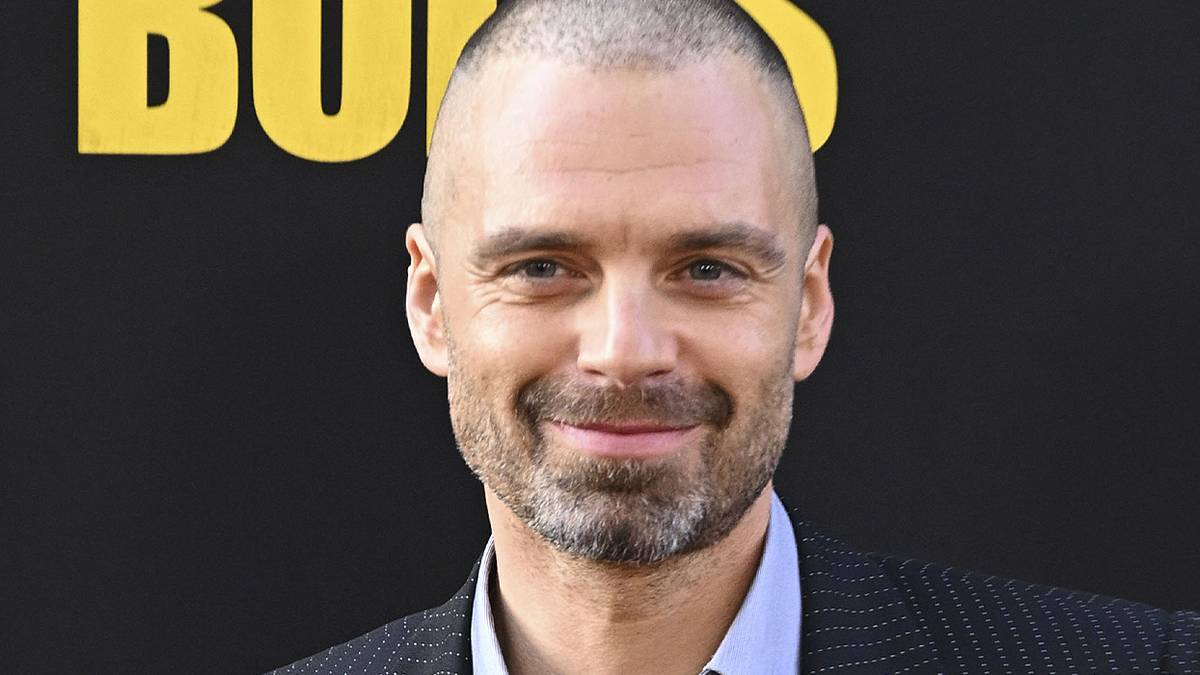
Collider's Steve Weintraub recently sat down with acclaimed actor Sebastian Stan and two-time Palme d’Or-winning writer-director Cristian Mungiu to discuss their collaborative film, "Fjord." The conversation delved into Stan's transformative career shift post-Marvel, his physical embodiment of complex roles, and Mungiu's distinctive approach to filmmaking, which intentionally challenges audiences with uncomfortable narratives and ambiguous moral landscapes.
After dedicating 15 years to portraying Bucky Barnes in the Marvel Cinematic Universe, Sebastian Stan expressed profound gratitude for the freedom the role afforded him, while acknowledging he is now truly finding his stride within the film industry. He credits recent critically acclaimed features such as Mimi Cave’s 2022 horror film "Fresh," "A Different Man," and "The Apprentice" for bringing him to the attention of directors he deeply admires. The collaboration on Neon’s "Fjord" with Cristian Mungiu, however, was a long-anticipated project, having been an ongoing conversation between the two for a decade.
In "Fjord," Stan stars opposite Academy Award nominee Renate Reinsve ("Sentimental Value") as Mihai Gheorghiu. Mihai is depicted as a devout Christian family man who relocates his family from Romania to a remote Norwegian town with his wife, Lisbet (Reinsve). Their rigid religious practices immediately draw scrutiny, and when serious allegations of abuse surface, tensions escalate dramatically. The film masterfully blurs the lines between genuine concern and deep-seated prejudice, exploring a "murky" moral dilemma at its core.
Stan discussed how his diverse range of roles, particularly the physical transformation required for "Fjord," offered him a profound sense of liberation. His unique appearance in the film—featuring a distinctive haircut with growth on the sides and a bald top—was not merely cosmetic but a key element in his immersion into the character. He found that such radical changes allowed him to "open a door into another world," reinforcing his belief system in a role by not recognizing himself. This method echoes insights from actors like Jack Nicholson and Brad Pitt, who found freedom and deeper character connection through physical alterations.
Cristian Mungiu’s directorial style in "Fjord" is characterized by his deliberate use of long, single-shot scenes, a technique Stan described as creating a "claustrophobic" environment. This absence of traditional coverage forced Stan to internalize Mihai's frustrations and emotions, rather than resort to the overt displays often seen in American cinema. This approach, Stan felt, brought his performance closer to real life, where reactions to shocking or traumatic events are often more restrained and less overtly "ballistic." He explained that the family's particular Pentecostal belief system, which they had researched by attending services in Romania, emphasized trust in a higher power even amidst hardship, influencing their restrained demeanor within the film.
A central tenet of "Fjord," and Mungiu’s wider artistic philosophy, is its refusal to provide easy answers, prompting audiences to engage in critical dialogue post-viewing. The director and Stan intentionally built an extensive backstory for Mihai and Lisbet—detailing their meeting, marriage, and integration into their belief system—even if not explicitly presented in the script. Mungiu deliberately maintains a neutral perspective, opting not to definitively confirm Mihai's guilt or innocence. This narrative choice encourages viewers to confront their own instincts and biases, reflecting back on themselves, rather than being handed a clear resolution. Mungiu firmly believes that great art should spark debates and challenge people to think critically about the complex questions raised, extending beyond mere entertainment value.
The film’s themes are notably timely, addressing issues pertinent not only to its Scandinavian setting but also to global contexts, including the Middle East and border conflicts. Mungiu highlights elements such as families being torn apart, and how extremism and absolutism drive people apart, leading to severe judgment and choices with lasting repercussions, especially for younger generations who inherit these conflicts. Mungiu, a two-time Palme d’Or winner, remains committed to exploring morally challenging stories that resonate with the complexities of real-life experiences, emphasizing that films should encourage understanding and questioning after viewing.