Satire's Edge: John Oliver's Tech-Infused Investigation Uncovers Security Gaps
John Oliver's Last Week Tonight takes a critical look at the Secret Service, exposing the challenging realities behind its glamorous public image. He highlights institutional failures, funding issues, and historical screw-ups that contradict the popular notion of the job.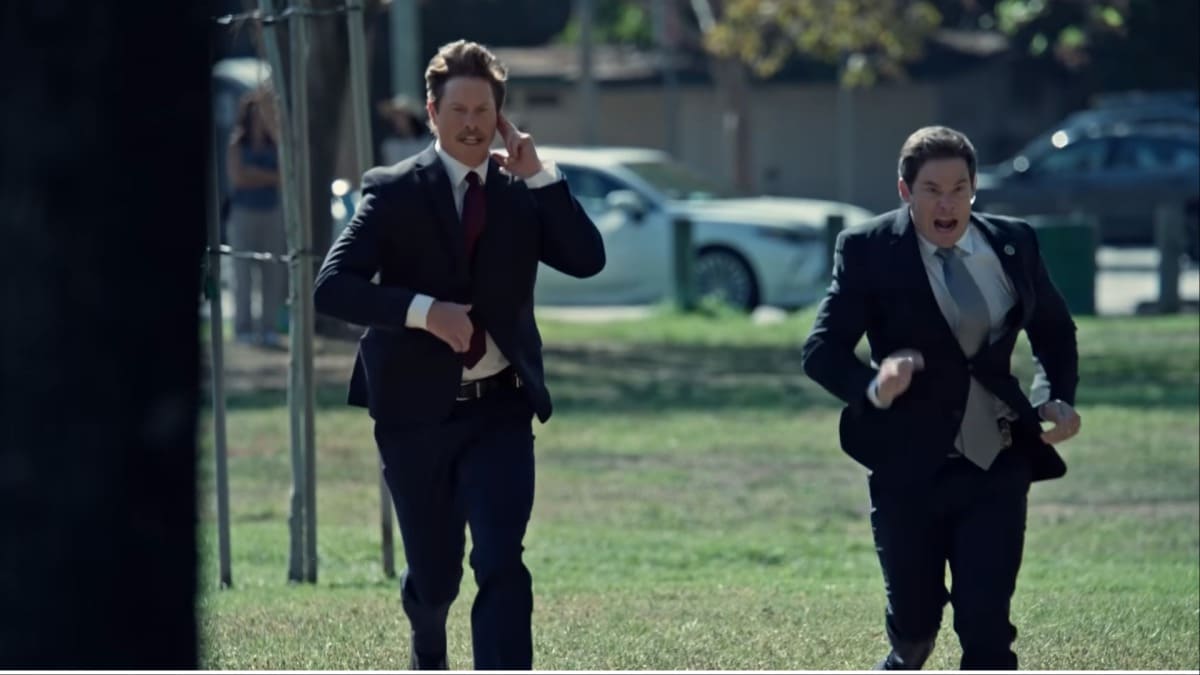
John Oliver, on Sunday’s Last Week Tonight, deconstructed the public perception of Secret Service agents, revealing a stark contrast between their cinematic, action-packed image and the often tedious, overworked, and underpaid reality of the job. While movies portray Secret Service work as a "sexy job packed with action, intrigue, and the occasional call to escort a president through a White House swarmed by armed terrorists," Oliver argues that this idealized view ignores numerous inconvenient truths.
Oliver’s extra-long main story meticulously detailed how the realities of Secret Service service are plagued by institutional failures, funding issues, and workplace screw-ups. These issues, he pointed out, are similar to those found in an average office environment, but are alarmingly present in an organization tasked with protecting the country's most powerful individuals. He traced the organization's history, noting that President Lincoln signed the Secret Service into law just hours before his own assassination, adding a layer of historical irony.
The segment also delved into a concerning history of agency missteps, including a notable incident in 2011 where an individual scaled the Obama White House fence with a knife and simply walked through an unlocked front door. Oliver then brought his focus to the recent attempted assassination of Donald Trump in Butler, Pennsylvania, using such events to underscore the grave implications of the Secret Service's operational challenges and the gap between public myth and the critical, demanding nature of their real responsibilities.