Russia's Crypto Revolution: Lawmakers Prepare Retail Access Bill for 'Everyday Finance'
Russia is poised to open its cryptocurrency market to retail investors, with new legislation expected to normalize digital assets and allow capped participation. This move aims to integrate crypto into everyday finance and support cross-border transactions, marking a significant shift in the country's regulatory stance.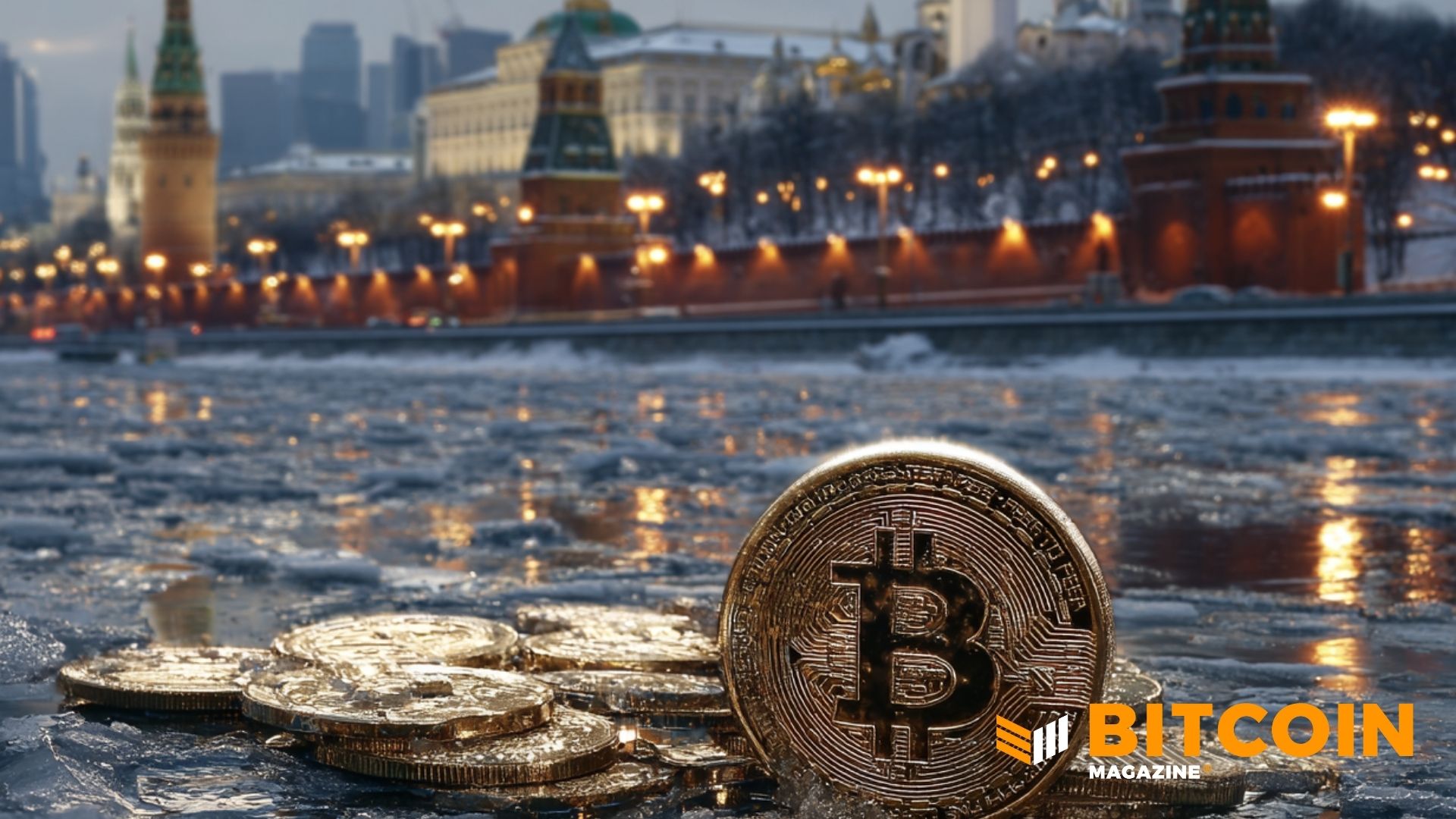
Russia is progressing towards opening its cryptocurrency market to everyday investors, as lawmakers are preparing new legislation designed to remove digital assets from a special regulatory category. This move aims to allow broader, albeit still capped, retail participation in the crypto space.
Anatoly Aksakov, chairman of the State Duma’s Committee on Financial Markets, confirmed that a draft bill is ready for consideration during the upcoming spring parliamentary session. This proposal signifies a substantial shift, effectively normalizing cryptocurrency within Russia’s financial system and treating digital assets as a component of “everyday finance” rather than an exceptional or experimental instrument, as reported by local media outlet TASS.
Under the anticipated framework, non-qualified investors, defined as individuals who do not meet Russia’s professional or high-net-worth criteria, will be permitted to purchase cryptocurrencies up to a maximum limit of 300,000 rubles, which is approximately $3,800. The legislation's core intent is to remove cryptocurrencies from a restrictive special financial regulation regime that has historically limited their usage. Proponents of this change argue that it will facilitate a deeper integration of digital assets into the national economy, thereby making crypto ownership and transactions more “commonplace” for Russian citizens.
While the proposed bill does not signal a fully liberalized market, it represents a significant evolution in Russia’s approach to cryptocurrencies, following years of stringent controls and skepticism from financial authorities. Beyond facilitating domestic trading, the legislation is also structured with international considerations in mind.
Lawmakers anticipate that the new framework will support the utilization of cryptocurrencies in cross-border settlements and enable the issuance of tokens in Russia that can subsequently be placed on foreign markets. Such mechanisms are viewed as particularly crucial as the country continues to seek alternatives to traditional financial channels for international trade.
This initiative aligns with a broader, carefully calibrated regulatory strategy from Russian authorities. In recent months, policymakers have consistently emphasized the necessity of balancing innovation with robust risk management, particularly concerning retail investors.
The Bank of Russia has previously cautioned that unrestricted access could introduce systemic risks, characterizing broad retail participation as a “drastic step” if implemented without adequate safeguards.
In December, the central bank proposed a model that would only permit non-qualified investors to trade crypto after successfully passing a risk-awareness test, while simultaneously upholding bans on anonymous and privacy-focused digital assets.
Concurrently, the Finance Ministry indicated its collaboration with the central bank on a coordinated policy aimed at allowing retail access within clearly defined thresholds. Officials have repeatedly stressed that imposing limits on transaction sizes and investment volumes is essential for preventing excessive speculation and protecting household finances. The proposed 300,000-ruble investment cap directly reflects this philosophy, offering exposure to digital assets without exposing retail investors to large-scale financial risk.