Paramount-Warner Bros Merger Battle Intensifies as Rob Bonta Demands Stronger Deal Terms
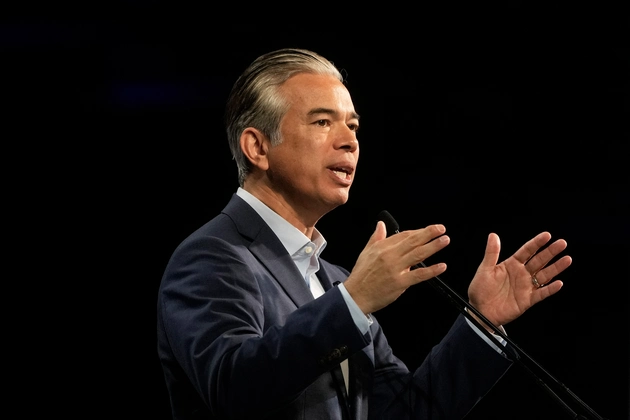
California Attorney General Rob Bonta has conditionally reopened settlement talks with Paramount regarding its acquisition of Warner Bros. Discovery, demanding an end to leaks and good faith engagement. This comes as Bonta faces increasing pressure from cinema chains that are now backing the merger, potentially weakening his antitrust case, despite his unwavering insistence on robust structural remedies.
California Attorney General Rob Bonta has signalled that settlement talks over Paramount Skydance's proposed acquisition of Warner Bros. Discovery could resume, but only if Paramount commits to conducting negotiations in good faith and stops leaking details of confidential discussions.
Bonta's comments came after he abruptly cancelled a scheduled meeting with Paramount, accusing the company of allowing confidential information from earlier negotiations to reach the media. He said he remained open to discussions but insisted that Paramount must first demonstrate that it is serious about reaching an agreement.
The dispute centres on Paramount Skydance's proposed $110 billion acquisition of Warner Bros. Discovery, a deal that would create one of the world's largest entertainment companies. Bonta and a coalition of 12 state attorneys general filed a lawsuit in July seeking to block the transaction, arguing that the merger could reduce competition across film distribution, blockbuster movies and basic cable programming.
The California Attorney General's Office has maintained that the merger could give the combined company excessive control over important areas of the entertainment market, potentially affecting movie theatres, distributors, workers and consumers.
Paramount has denied being responsible for the leaks and has maintained that it wants to continue negotiating. The company has indicated that it is prepared to consider structural remedies to address the state's concerns, although it has not publicly detailed the full scope of those proposals.
One of Paramount's major commitments has been a pledge to release at least 30 theatrical films annually for three years, while maintaining a 45-day theatrical window. Bonta, however, has argued that such behavioural commitments are insufficient and difficult to enforce. He has instead called for substantial structural remedies that would address the underlying competition concerns.
Theatre Chains Change the Merger Debate
The legal battle has become more complicated for Bonta following a significant shift within the movie exhibition industry.
Major cinema operators including AMC Theatres, Regal and Cinemark have expressed support for the proposed merger. Their position represents a notable change from earlier opposition within the exhibition industry and has encouraged Cinema United, the trade organisation representing U.S. movie theatres, to push Paramount and California toward a settlement.
Theatre executives argue that a stronger combined studio could provide cinemas with a larger and more consistent supply of films. Cinemark CEO Sean Gamble has also pointed to Paramount's commitment to release 30 films a year and maintain theatrical exclusivity as evidence that the merger could benefit exhibitors.
The shift is significant because movie theatres are among the businesses that could be directly affected by greater consolidation in Hollywood. Their support therefore complicates the states' argument that the merger would necessarily harm competition in theatrical distribution.
Bonta Still Wants Structural Safeguards
Despite the growing support for the transaction, Bonta has shown no indication that he is prepared to abandon the lawsuit.
Cinema United has called for any settlement to include enforceable protections guaranteeing theatres access to films while addressing concerns surrounding marketing spending, rental terms and theatrical distribution.
Legal experts have also cautioned that public support from major theatre chains may not tell the entire story. Smaller exhibitors could have different concerns about negotiating with a significantly larger studio, while documents obtained during litigation could provide additional insight into the industry's position.
The U.S. Department of Justice has already concluded its separate investigation into the proposed transaction, determining that the merger was not likely to harm competition or American consumers in the areas it examined. However, the states' lawsuit remains an independent obstacle to the deal.
The proposed merger has also faced regulatory scrutiny outside the United States. Britain's Competition and Markets Authority cleared the transaction in August, removing one major international regulatory hurdle.
A Costly Race Against Time
The longer the dispute continues, the greater the financial pressure on Paramount becomes.
The companies have agreed not to complete the merger until the court rules on the states' challenge or until June 2027, whichever comes first. If no settlement is reached, the legal battle could proceed to trial next year.
For Bonta, the choice is therefore between negotiating a settlement that contains remedies he considers strong enough to protect competition or continuing the fight in court.
For Paramount, every additional delay increases the financial cost and uncertainty surrounding its proposed takeover.

The coming weeks could therefore prove decisive. If Paramount can satisfy Bonta's demand for meaningful structural safeguards and restore confidence in the negotiations, the two sides could still reach an agreement. Otherwise, one of Hollywood's biggest proposed mergers will remain locked in a potentially lengthy courtroom battle.