Regency Rules Revealed: 7 Etiquette Shocks That'd Stun Today's Stars!
Regency England, often romanticized, imposed incredibly strict etiquette rules that would challenge modern individuals. From maintaining emotional composure and formal naming conventions to requiring chaperones for ladies and specific dinner table protocols, social life was governed by an unforgiving code that prioritized reputation above all else.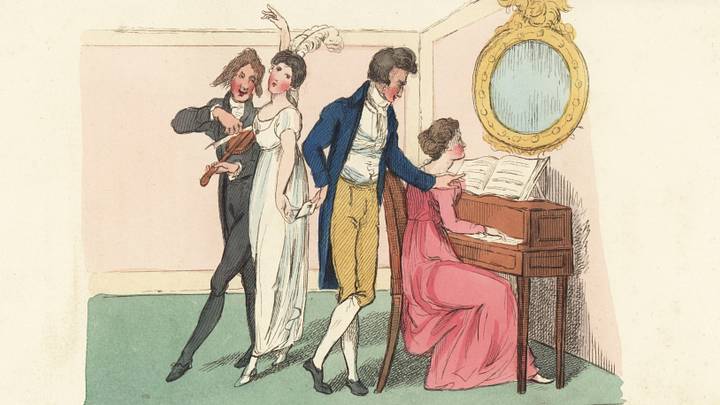
Many individuals captivated by popular culture, such as fans of "Bridgerton" and the works of Jane Austen, often romanticize the idea of living in Regency England. However, the reality of navigating society during this period would present immense challenges for modern sensibilities, primarily due to an incredibly strict and unforgiving social code. The "ton" – the upper echelons of society – was relentlessly judgmental, and any deviation from established etiquette could permanently tarnish a family's reputation.
A paramount expectation in Regency society was the constant display of a calm and collected demeanor. Emotional outbursts, whether expressions of anger, sadness, or even overly enthusiastic happiness, were considered vulgar and deeply frowned upon. Individuals were trained to expertly conceal their true feelings in public, as losing one's temper was strictly forbidden. This stricture is notably highlighted in Jane Austen's "Pride and Prejudice," where characters like Mrs. Bennet and her daughters are often viewed with disdain by polite society for their perceived excessive expressiveness.
Another significant aspect of Regency etiquette revolved around the use of names. Addressing someone by their Christian name (first name) was reserved for very intimate relationships – close family, friends considered family, or couples in a serious courtship. Generally, people were referred to by their title, last name, or a combination thereof, such as 'Mr.,' 'Miss,' or 'Mrs.' It was considered a significant social faux pas to ask an mere acquaintance to use one's first name.
Social interactions with strangers were also tightly controlled. It was scandalous to initiate conversation with someone without a proper introduction from a mutual relative, friend, or acquaintance. This rule meant that spontaneous meetings or conversations with unknown individuals, no matter how appealing, were largely prohibited, making introductions a crucial social ritual.
For single ladies, maintaining an impeccable reputation was paramount, necessitating the constant presence of a chaperone during any interaction outside her immediate family. Meeting privately with a gentleman, even for entirely innocent reasons, was strictly forbidden, as it would inevitably lead to speculation and damage her standing in society, with rumors of a 'tryst' quickly spreading.
Dinner etiquette extended beyond mere table manners. After a day's activities, individuals were expected to change out of their daytime attire, often into a more formal outfit, before dinner. Dinner was considered a significant event, even when dining solely with family, and one was expected to appear respectable; dining in nightclothes was absolutely unacceptable.
Conversation at the dinner table also followed specific rules. Guests were expected to engage only with those seated immediately beside them. Just as one would not directly pass items across the table, conversation was likewise not supposed to 'cross' the table. This meant that the quality of one's dining experience often depended on the compatibility and conversational skills of their immediate neighbors, and hosts were wise to consider seating arrangements carefully. Furthermore, when in the company of ladies, gentlemen were expected to refrain from discussing topics such as politics or science.