"No Rain, No Life”: Inside Somalia’s Relentless Battle Against Drought
Somalia faces the worst drought it has seen in 40 years.
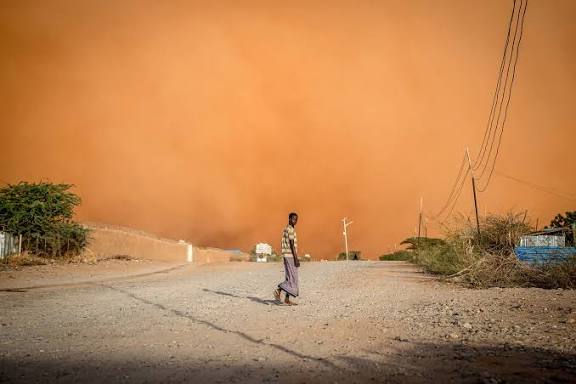
In the parched north of Somalia, even the wind is tired. It simply stirs dust from the shattered earth where dinosaurs once drank, an expanse of sunbrowned bone and dry wells.
For millions, each morning brings a choked, convulsive question: when will the sky remember to rain?
This glacial environmental tragedy is Somalia's longest and most ferocious drought in history. It is not merely a natural calamity; it's a sobering reminder of the realities of climate resilience and a grim portent of how much the world owes Africa.
The Cyclical Crisis in the Horn of Africa
Somalia, being in the vulnerable Horn of Africa, has never been eco-resilient. Its agricultural and pastoral economies rely significantly on two main rain seasons: the more abundant Gu rains (April to June) and the shorter Deyr rains (October to December).
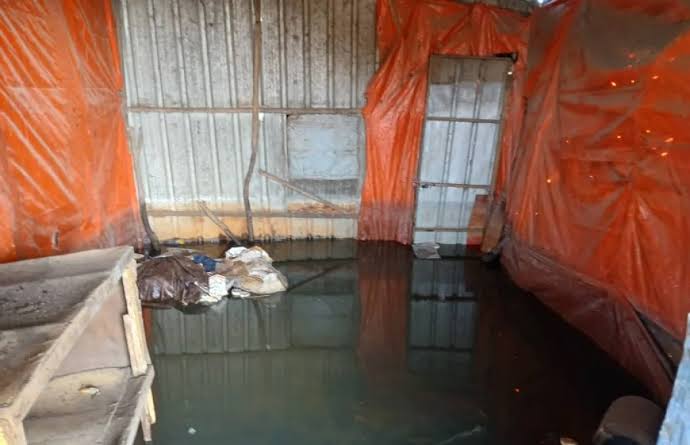
However, since 2020, the climate has collapsed. The country has endured five straight disastrous rainy seasons, a direct and sustained impact due to changing climate patterns and exacerbated by extreme weather events like La Niña and local shifts. This is not a simple drought; it's a breakdown of the weather system itself.
The 2025 Snapshot: The Human Cost
The numbers from February to October 2025 are of great humanitarian tragedy. 4.4 million Somalis are today suffering acute hunger, the equivalent of the inhabitants of a big European city. Over 300,000 lack safe water, and so the simple act of taking a drink is a daily risk with illness.
Livestock, the mainstay of Somalia's economy, has been destroyed. Pastoral communities, whose livelihood and survival derive from their cattle, have lost their belongings to death in thousands.
This is not just financial; it is a loss of tradition and life. The figures are unimaginable as families have been forced out of their native lands in regions like Somaliland, Puntland, Bay, Bakool, Gedo, and Hiraan to find operational wells and relief camps.
Children are particularly vulnerable, suffering from life-threatening acute malnutrition on a shocking scale, jeopardizing the future of an entire generation.
Causes and Contributing Factors
Somalia's crisis is the quintessential example of how climate change is a threat multiplier. The number one reason is the climate crisis: unpredictable rain and rising temperatures inducing immediate desertification.
But the nation's unique issues turn a bad drought into a humanitarian crisis.
Prolonged violence and instability in much of the country make the delivery of aid risky and time-consuming. Displaced individuals, who often live in makeshift camps, are very difficult for humanitarian groups to reach securely and consistently.
Moreover, persistent economic shocks for instance, rising global food prices and tighter remittances from the diaspora group of Somalis have priced necessities out of reach for almost all households.

The aid community is also suffering from "response fatigue," where frequent crises in the same locality lose international attention and crippling budget deficits leave millions in dangerously exposed jeopardy.
Faces of Resilience
In the midst of the overwhelming statistics, there is the human spirit. Consider the archetypal pastoralist who has just lost his entire camel herd. He does not want charity; he wants a new survival paradigm.
Drought has compelled many to shift from purely nomadic life to more sedentary life with wholly different competencies.
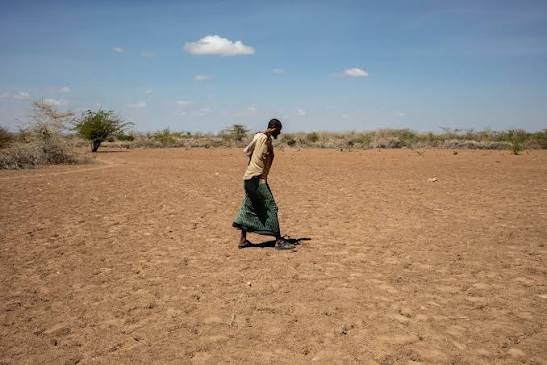
Meanwhile, Aga Khan's youth from Somaliland and Somali regions are leading the change. Young women in some areas of Puntland are running community water conservation schemes using mobile money software to coordinate group donations toward deep-well maintenance.
They're resuscitating old structures as local, tech-enabled solutions and proving that innovation remains feasible even amidst extreme scarcity.
Implications for Global Climate Justice
Somalia's experience is a poignant reflection of the increasing climate exposure of Africa. The same unreliable rains and mounting heat are threatening communities across the continent, from the food crisis of Ethiopian and northern Kenyan insecurity to floods in Sudan.
The fundamental unfairness of this drought must be savored. African nations release the lowest amount of greenhouse gases on the planet, yet experience the heaviest burden of climate-related impacts. Somalia's emergency is a warning to the world that climate change disregards borders.
When one nation is destabilized by famine and refugees, its ripples are felt all around the world, demanding an urgent reckoning of climate justice finance and response.
Action and the Road Ahead
Local actors, together with the Somali Disaster Management Agency, are out in the field, organizing water trucking and material distribution.
International partners like the IFRC, UNICEF, FAO, and WFP are undertaking extensive-scale appeal and intervention efforts. For instance, the IFRC has launched multi-million-franc appeals to step up life-saving water and nutrition assistance.
The temporary reprieve, however, is constantly frustrated by the lack of funds and the problem of access to aid. The biggest challenge is not getting food and water to the people; it's funding for longer-term solutions like boreholes, irrigation systems, and climate-resistant seeds that will limit the destruction the next drought causes.
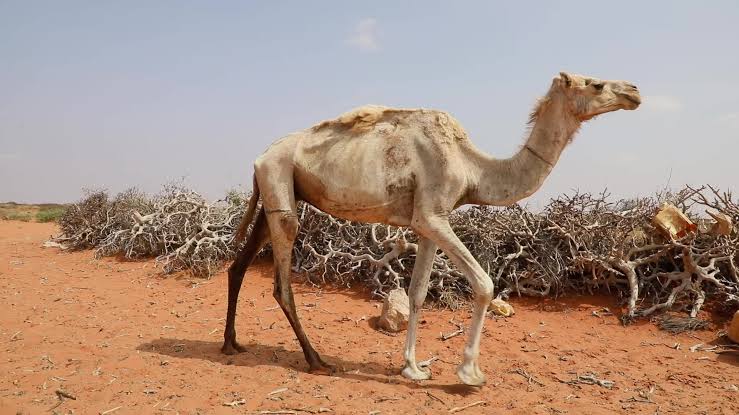
Even in the midst of the dust, there is a stubborn hope. People are drilling, making do, and finding new ways, building not just new wells but also a well-informed, community strength. The medium- and longer-term weather predictions offer some chance of eventual later seasonal rains, a precarious point of potential reprieve.
Somali drought is not merely a matter of failing to get rain; it's a question of how much the world will allow thirst to go on before it will finally decide to listen and invest in a future where climate resilience is a right, not a privilege.