Nigeria's Vision for Eye Care: A Desperate Search for Sustainable Funding Beyond Freebies
Vision loss significantly impacts Nigeria's development, affecting education, work, and financial stability for millions. The federal government is urgently calling for robust private-sector investment and collaborative partnerships to address limited eye-care access and build a sustainable, locally financed eye-health system. Initiatives like JigiBola 2.0 and public-private alliances demonstrate progress, but continued, coordinated efforts are crucial to overcome the country's vast vision-loss burden.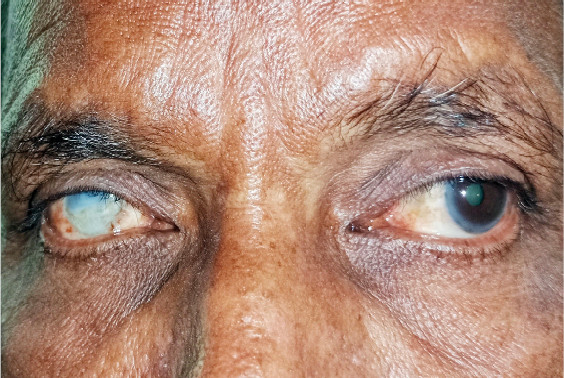
The profound impact of impaired vision in Nigeria extends far beyond a mere medical condition, touching upon critical aspects of societal well-being such as education, employment, personal independence, and economic stability. With an estimated 24 million Nigerians grappling with vision loss, according to government figures, the magnitude of the challenge is immense. Common eye conditions like cataracts, glaucoma, and uncorrected refractive errors continue to threaten the sight, productivity, and overall quality of life for millions across the nation.
A significant barrier to overcoming this challenge is the limited access to timely diagnosis and treatment, particularly evident in underserved communities. These areas frequently lack adequate eye-care facilities, trained personnel, essential equipment, and comprehensive services, leaving many vulnerable to preventable blindness and visual impairment.
Recognizing the broad implications of eye health for national development, the federal government has issued a compelling call for increased private-sector investment to bridge these critical gaps. At a stakeholders’ meeting in Abuja, the Minister of State for Health and Social Welfare, Dr. Iziaq Adekunle Salako, emphasized that eye health should no longer be viewed in isolation as solely a health sector concern. He highlighted its intrinsic link to education, employment, economic growth, and national development, underscoring that good vision is fundamental to how individuals learn, work, interact, and participate in society.
Dr. Salako urged businesses across various sectors, including banking, manufacturing, telecommunications, and energy, to perceive investment in eye health as both a crucial social responsibility and a strategic economic decision. He advocated for innovative financing mechanisms, such as blended finance, social impact funds, co-financing, and concessional loans, to expand vital eye-care infrastructure and enhance access to quality services. Furthermore, he encouraged companies to channel their corporate social responsibility (CSR) initiatives into structured, impactful programs like school eye-health initiatives, rural surgical outreaches, and the establishment of permanent community-based eye-care centers, ensuring lasting benefits rather than one-off interventions.
A critical question facing Nigeria’s eye-health sector revolves around ensuring the sustained availability of services beyond the life cycle of individual projects, campaigns, or donor-funded interventions. While temporary free screenings and surgical outreaches can offer immediate relief, sustainable eye care necessitates a robust system that supports continuous early diagnosis, comprehensive treatment, effective referrals, consistent follow-up care, and reliable access to essential commodities. Without dependable funding and functional service-delivery structures, many identified with eye conditions may still be unable to afford the necessary treatment, especially for conditions requiring specialized care, surgery, or ongoing monitoring.
To tackle these systemic challenges, Salako called upon the private sector to support the expansion of eye-care infrastructure and to explore partnerships that integrate public-sector leadership with private capital, technical expertise, and operational capacity. He also urged development partners and civil society organizations to provide crucial technical support and foster innovation, aiding Nigeria’s transition from a donor-dependent model to a locally financed and accountable eye-health system. The ultimate objective, he stressed, is to build a system capable of consistently delivering services, reaching underserved populations, and sustaining progress over time. For businesses, this could translate into supporting community eye-care centers, financing equipment, offering affordable services, or investing in the local production of essential eye-care products. For the government, it involves cultivating an enabling environment where these investments align with national priorities and reinforce existing health structures.
The Federal Government is actively working to broaden access to eye-care services through initiatives such as JigiBola 2.0. Salako reported that this program, implemented in collaboration with various stakeholders, has already provided over two million free eye screenings and 1.5 million free spectacles in just over a year. It has also successfully trained more than 2,200 primary healthcare workers and activated over 800 primary healthcare centers to offer basic eye-care services across 16 states. The next phase aims to extend these services to more than one million Nigerians in an additional 10 states. Complementing this, the Renewed Hope Health Connect initiative targets 25,000 free cataract surgeries by 2027. These interventions underscore the potential of combining government programs with strategic partnerships to deliver care to those who might otherwise struggle to access it. However, sustaining and expanding these vital efforts will demand adequate funding, a skilled workforce, functional equipment, and resilient supply chains. Given the scale of the country’s vision-loss burden, government programs alone may not suffice, reinforcing the critical need for coordinated investment from businesses, foundations, and other stakeholders. The ongoing challenge lies in ensuring that new investments effectively strengthen the national health system and expand equitable access, particularly for rural communities and low-income households.
Existing partnerships serve as powerful examples of how sustained corporate and philanthropic support can significantly improve access to eye care. Salako commended the longstanding collaboration between First City Monument Bank (FCMB) and the Tulsi Chanrai Foundation, an initiative known as the