Nigeria Records Highest Monthly Diaspora Remittance Inflow at $947 Million. What Does It Mean for the Economy?
Nigeria just recorded its highest monthly diaspora remittance inflow at $947 million. But where does all that money go once it enters the economy?
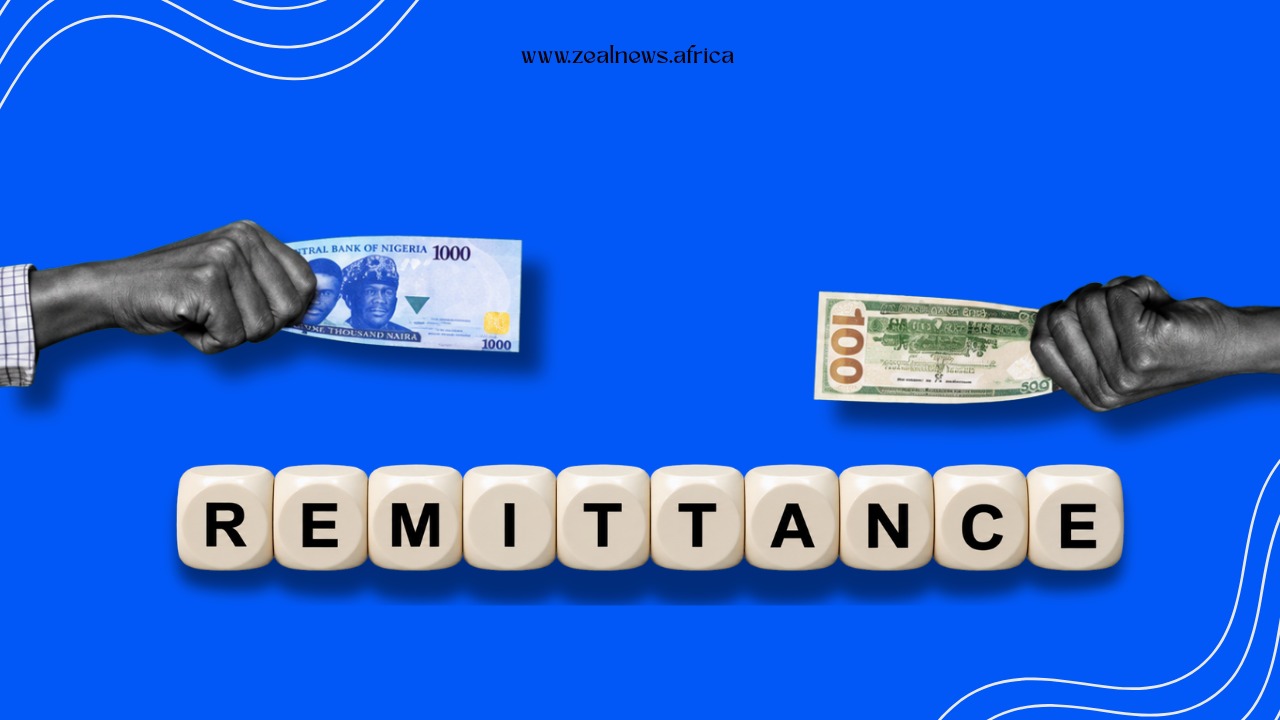
A remittance often begins with an ordinary conversation — a phone call, a WhatsApp message or a short request from home.
A mother in Ibadan calls her daughter in London about school fees. A brother in Abuja needs help completing his rent. A trader in Onitsha has customers waiting but not enough cash to restock. Somewhere in Houston, Toronto or Johannesburg, someone opens a banking app, enters an amount and presses send.
The transaction is personal. But when millions of Nigerians abroad do the same thing, the money begins to matter far beyond the family receiving it.
Nigeria received $947 million through International Money Transfer Operators (IMTOs) in July 2026, the highest monthly remittance inflow recorded through formal channels, according to the Central Bank of Nigeria.
The CBN disclosure reported by the News Agency of Nigeria showed that IMTO inflows reached $3.8 billion between January and July, 50.2 per cent higher than during the same period in 2025.
That puts Nigeria within touching distance of the $1 billion monthly remittance target set by CBN Governor Olayemi Cardoso.
The record is significant, but the more useful question begins after the transfer is completed: where does the money go, and how much economic activity does it support?
For Nigeria, remittances have become both a source of financial support for families and a steady supply of foreign currency to an economy that has repeatedly struggled with dollar shortages.
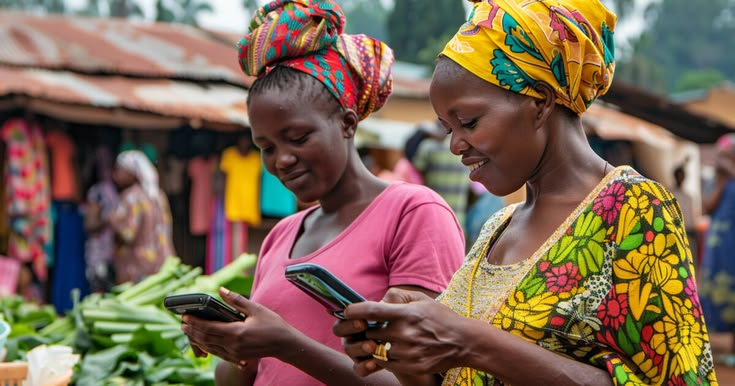
How Does Money Sent to One Family End Up Supporting a Wider Economy?
For the person receiving a remittance, the economics rarely begins with foreign reserves, exchange rates or balance-of-payments terminology.
It begins with a bill.
The money may pay a landlord, a school, a hospital, a mechanic or a food vendor. It may buy cement for an unfinished house or give a shop owner enough capital to refill empty shelves.
A ₦500,000 transfer used for school fees becomes income for a school, part of which may eventually pay teachers, suppliers and transport providers. Money sent towards a building project reaches bricklayers, electricians, plumbers, hardware merchants and truck drivers.
One transfer can therefore support considerably more economic activity than the original payment suggests.
That circulation is especially important when household purchasing power remains weak. The World Bank’s April 2026 Nigeria Development Update noted that household incomes had yet to recover fully despite improvements in broader economic conditions.
Money from relatives abroad can fill some of that gap.
For a family, it may mean avoiding debt to pay hospital bills or keeping a child in school. For a small business owner, it can provide something that Nigeria's expensive credit market often cannot: capital without collateral and punishing interest costs.
Consider a tailor who wants another sewing machine or a neighbourhood supermarket that needs to replenish its stock. If a relative abroad provides the money, that remittance has effectively become business financing.
The World Bank has repeatedly linked remittances with poverty reduction, improved nutrition and greater spending on education and healthcare in developing economies.
Not every dollar sent home becomes an investment, of course. A large portion is spent almost immediately, while some ultimately leaves the country again through purchases of imported products.

But consumption should not automatically be treated as economically unproductive.
When diaspora money pays for education, healthcare, housing or everyday purchases, it supports businesses and workers providing those services. The economic contribution is often spread across many small transactions rather than concentrated in one visible investment.
Why Does It Matter Whether the Dollar Comes Through a Formal Channel?
Imagine two Nigerians living in Britain each sending $1,000 home.
One transfers the money through a regulated International Money Transfer Operator. The other gives pounds to an informal intermediary in London, whose associate in Nigeria pays the recipient in naira.
Both families may receive the money. But the first transaction clearly brings foreign currency into Nigeria's regulated financial system.
That distinction is central to the CBN's remittance strategy.
For years, informal networks competed strongly with banks and IMTOs because Nigerians abroad could sometimes secure better exchange rates outside official channels. When the difference between Nigeria's official and parallel-market rates was wide, avoiding the formal system could be financially attractive.
The CBN has introduced several changes intended to reduce that incentive.
These include reforms to IMTO operations, a more market-driven foreign-exchange system and the Non-Resident Bank Verification Number platform, which allows Nigerians abroad to obtain a BVN remotely and participate more easily in the domestic banking system.
The central bank has also tightened the settlement process for remittance transactions through authorised dealer banks.
The attraction is straightforward: formal remittances deliver foreign currency into an economy with constant demand for it.
Manufacturers need dollars for machinery and imported inputs. Airlines have foreign-currency obligations. Nigerian students pay tuition abroad, while businesses need dollars for software, equipment and international services.
Oil remains Nigeria's dominant foreign-exchange earner, but remittances offer a different source of supply. They are not dependent on how many barrels Nigeria produces or whether a foreign portfolio investor considers Nigerian assets attractive this month.
Their role can already be seen in the country's external accounts.
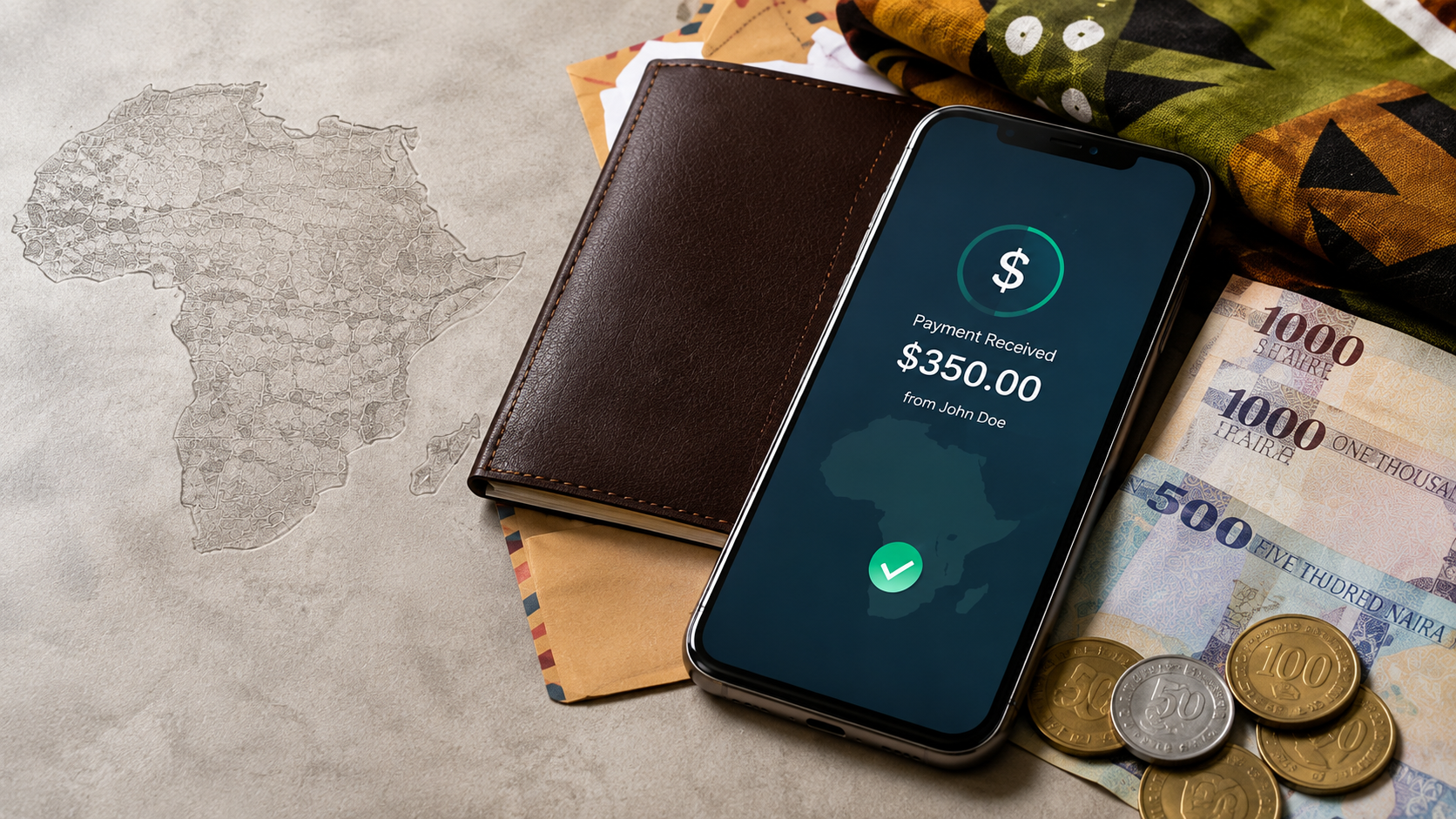
The CBN's Second Quarter 2025 Economic Report recorded workers' remittance receipts of $5.30 billion during the quarter, alongside a $5.51 billion surplus in secondary income.
None of this means diaspora transfers can determine the naira's direction on their own.
Oil receipts, imports, foreign investment, government borrowing, monetary policy and confidence in the economy all affect the currency. Remittances simply give Nigeria something valuable within that mix: foreign exchange tied largely to family relationships rather than market sentiment.
Can Nigeria Turn Remittances Into Something Bigger Than Family Support?
This is where the conversation becomes more difficult.
Diaspora money is private money. Someone working in Birmingham who sends £300 to a parent in Enugu is solving a family need, not volunteering to finance Nigeria's development plans.
Any policy designed around remittances has to respect that reality.
Still, Nigeria has an opportunity that extends beyond making it easier to send money home.
Millions of Nigerians abroad already maintain financial relationships with the country. If banks, regulators and investment institutions can earn their confidence, some of that money could eventually find its way into mortgages, businesses, bonds, pension products, property and other long-term assets.
The NRBVN initiative helps reduce some of the practical barriers between Nigerians abroad and the domestic banking system. But easier registration alone will not turn remitters into investors.
People also need confidence that contracts will be honoured, investments can be verified, funds remain accessible and regulations will not change halfway through a long-term commitment.
Trust will determine how much diaspora money eventually becomes diaspora investment.
Even then, investment products should not become the only measure of whether remittances are contributing to development.
A family that uses money from abroad to keep a child in university is investing in future earning capacity. A mechanic who buys equipment can take on more work, while a trader who restocks can protect the income of everyone who depends on that business.
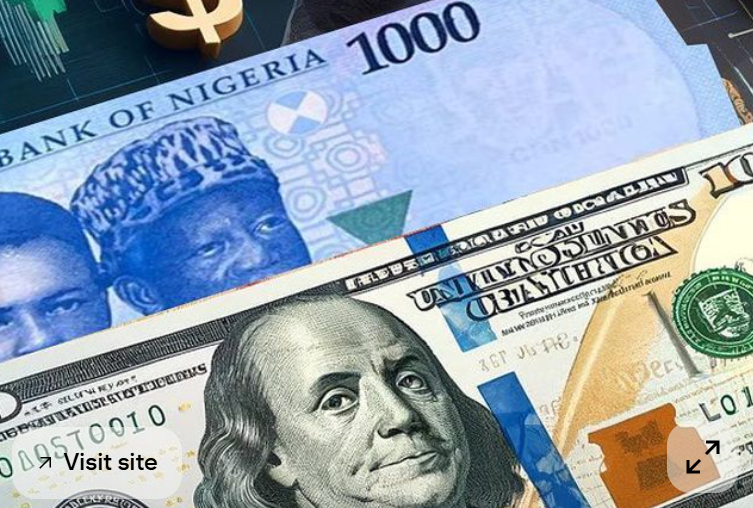
If Nigeria eventually maintains $1 billion a month through formal remittance operators, that would amount to $12 billion flowing through those channels in a year.
Its impact would not be found in one large pool of money sitting somewhere in Abuja. It would be scattered across thousands of transactions taking place every day: a school fee paid, a shop restocked, a hospital bill cleared, a house completed and a business kept open.
The diaspora may send the money to individual families.
By the time it has paid teachers, traders, landlords, artisans, hospitals and businesses, however, its economic reach is much wider than the household that first received it.