Nigeria on Track for F1? Inside the Bold Bid to Bring Formula One to Abuja
Nigeria’s government-backed bid to host a Formula One Grand Prix in Abuja could reshape Africa’s role in global motorsports. But can ambition overcome the political, economic, and logistical roadblocks?
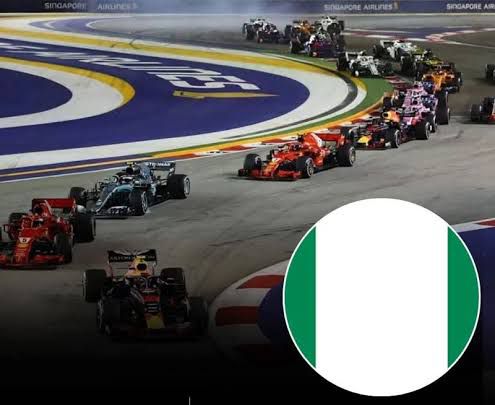
INTRODUCTION: Speed In The African Continent
What if Africa’s next headline megaproject isn’t a refinery or a tech hub, but a Formula One racetrack in the heart of Abuja?
That’s the vision behind Nigeria’s bold new bid to host a Formula One Grand Prix, a move that could reshape the global motorsport map and signal the country’s ambition to be more than just Africa’s most populous nation. Led by former Premier League footballer MarvinSordell and backed by the Nigerian government, the project proposes not just a racetrack, but a sprawling infrastructure initiative featuring tech incubators, hospitality zones, and motorsport academies.
If successful, this would mark the first F1 race on African soil in over three decades, a symbolic and strategic win. But behind the glitz and glamour lies the real question: Can Nigeria pull this off logistically and financially? Is the country ready for the pressure and potential payoff of hosting one of the world’s most expensive and elite sporting events?
More importantly, what does this bid say about the future of African ambition in the global arena?
THE BID: From Football To Formula One
Nigeria’s F1 dream isn’t just a rumor; it’s a campaign in motion, driven by an unexpected champion.
A. Who’s Leading the Charge?
At the helm is Marvin Sordell, a former Premier League striker who has hung up his football boots. His company, Opus Race Promotions, is spearheading Nigeria’s Formula One bid, in partnership with stakeholders in government and international motorsport.
B. The Timeline So Far
The bid has progressed rapidly in 2025, moving from proposal to policy spotlight in a matter of months.
Nigeria submitted a bid to host a Formula 1 Grand Prix in Abuja in July 2025, according to Businessday NG. This bid aims to make Nigeria the first African country (since South Africa in 1993) to host a round of the Formula 1 World Championship, with the government appointing Opus Race Promotions to lead all negotiations with Formula One Group and the Fédération Internationale de l’Automobile (FIA).
The momentum is real, but so are the stakes.
WHY ABUJA?
If Nigeria is to host a Formula One Grand Prix, why not Lagos, the bustling commercial capital, or Port Harcourt with its oil wealth, or even Uyo with the city's bustling infrastructure? Why Abuja? The answer lies in Abuja’s strategic promise, both politically and logistically.
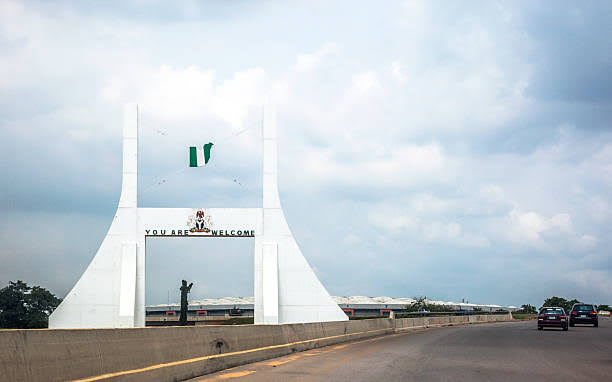
Photo Credit: Google Image
A. Strategic Location
Abuja sits at the heart of Nigeria, literally and symbolically. As the country’s political capital, it offers proximity to federal institutions and decision-makers, a relatively stable security presence, and a central location that connects the north and south. The city’s quieter profile could also ensure tighter control over event logistics, crowd flow, and international media coverage, key to winning F1’s approval.

B. Planned Infrastructure
The F1 bid is not just about a race; it’s a blueprint for transformation.
Plans revealed by Opus Race Promotions include:
A world-class tech hub adjacent to the proposed circuit.
A dedicated karting track and motorsport museum, aimed at youth engagement and tourism.
Massive developments, roads, and transport systems designed to accommodate thousands of visitors and global media.
Promises of job creation, training programs, and a new ecosystem of entertainment and entrepreneurship.
For Abuja, this isn’t just a sports project—it’s a chance to rebrand the capital as a global destination.
The Continental Context
A. Africa and F1: A History of Absence
For a sport that prides itself on global prestige, Formula One has been conspicuously absent from Africa for over three decades. The last African Grand Prix was held in Kyalami, South Africa, in 1993, a track once iconic but long abandoned by F1’s evolving commercial model.
Since then, Africa has remained the only inhabited continent without a race on the F1 calendar, a glaring omission that has sparked criticism and curiosity alike.
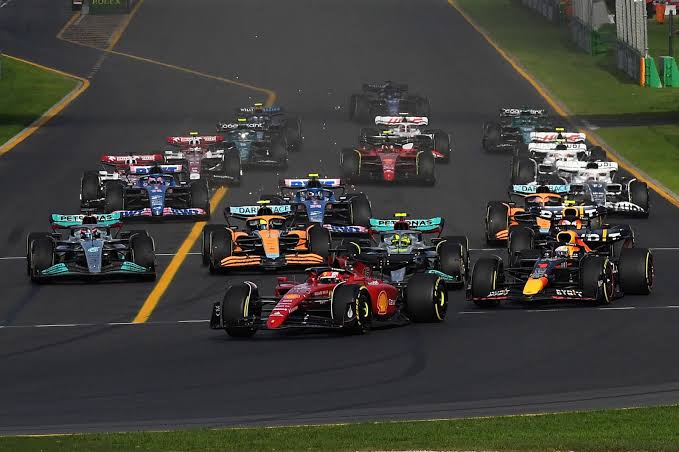
Photo Credit: SocietyNow
Recent years have seen flickers of renewed interest:
Morocco floated ambitions to revive its racing legacy in Casablanca.
Even Rwanda, with its bold infrastructure agenda and tourism rebrand, has been whispered about as a potential future host
Yet none have crossed the finish line, making Nigeria’s Abuja bid potentially historic.
B. Why Africa Matters Now
Formula One isn’t just about racing anymore; it’s about markets, media, and demographics. And Africa checks all the right boxes.
Africa offers:
A youth-dominated population with rising interest in global sports culture.
A booming digital audience—streaming, social media engagement, esports.
A growing middle class with an appetite for entertainment, tech, and prestige experiences.
To F1’s commercial visionaries, the continent represents not just a moral gap but a lucrative frontier. And Abuja may be the vehicle to drive that expansion.
Big Dreams, Big Risks
A. Funding Questions
The allure of Formula One is undeniable: global spotlight, massive tourism, and elite branding. But the cost?
Hosting an F1 Grand Prix can run into hundreds of millions of dollars, depending on infrastructure, licensing fees, and logistics. The big question now hanging over Nigeria’s bid is: who foots the bill?
The government has shown support, but critics argue that public funds should not bankroll elite entertainment when inflation, unemployment, and fuel scarcity remain daily realities for most Nigerians.
On the other hand, private investors like Opus Race Promotions may lead financing, promising a commercially viable model with limited public burden.
B. Feasibility & Logistics
Even if the money is found, the next hurdle is practical: Can Abuja actually pull this off?
Hosting an F1 event means delivering:
World-class roads, hotels, and medical facilities
Advanced transport networks to accommodate thousands of fans, staff, and media
Climate-appropriate designs for cars and equipment in Nigeria’s intense heat
Compliance with FIA’s strict safety, technical, and timing regulations
Moreover, critics warn that chasing prestige projects without addressing foundational gaps such as power supply and internal transport, could leave Nigeria with another shiny project but no lasting impact.
The Politics Of Speed
A. Soft Power and National Branding
At the heart of Nigeria’s F1 ambition lies more than speed; it’s a strategic play for soft power. In an era where global influence is shaped as much by image as economics, hosting a Formula One Grand Prix is a powerful statement.
Nigeria would become the first sub-Saharan African country to host an F1 race, positioning itself as a continental leader in innovation, entertainment, and international sport.
In the eyes of policymakers, it’s part of a bigger puzzle: sports tourism, tech development, and cultural exports all working together to reshape national identity.
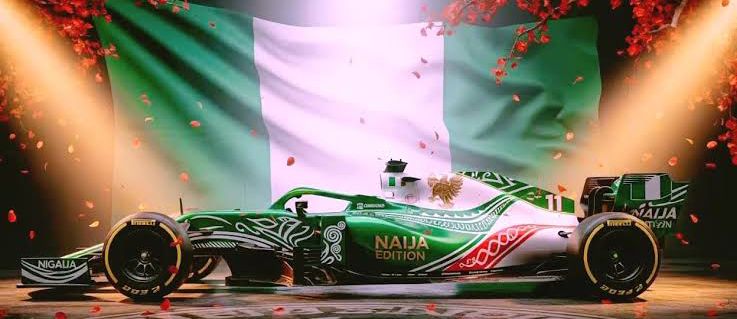
Photo Credit: Istock
B. Critics Speak
But not everyone is buying into the dream. As news of the bid broke, so too did a torrent of online reactions, some hopeful, many biting.
Critics argue the project is an elite distraction from far more pressing realities: inflation, fuel queues, rising insecurity, and youth unemployment.
Civil society groups have also raised red flags about prioritization, calling for more investment in healthcare, education, and local infrastructure before chasing “vanity metrics.”
The tension is clear: For some, F1 could symbolize Nigeria’s leap into the future. For others, it feels like a turbocharged mirage in a desert of real needs.
The Global Stakes
Nigeria’s Formula One bid is not just a local headline; it’s a global signal. It tells the world that Africa is no longer content with being a spectator in global sporting affairs; it’s stepping onto the grid as a serious contender.
Africa Takes the Wheel
For decades, Formula One has zipped past Africa, stopping only briefly in South Africa before vanishing entirely from the continent’s calendar. Nigeria’s bold move challenges that omission.
The Abuja bid shifts the narrative from asking for inclusion to demanding space, from passive aspiration to active participation.
It sends a message: Africa isn’t begging for a seat at the table, Africa is building its own table.
If successful, Nigeria’s Grand Prix could spark a pan-African sports renaissance, encouraging nations to invest in:
Internationally certified circuits.
Continental Motorsport talent development.
Strategic partnerships between sports, tourism, and tech.
What Nigeria is attempting could go well beyond racing. It’s a test case for how African countries can leverage sports to reframe their global image, attract investment, and unify fractured domestic audiences.
CONCLUSION: Will Nigeria Cross The Finish Line?
Nigeria’s Formula One Grand Prix bid is ambitious, bold, and potentially historic. But like any high-speed race, it’s not without doubts, tight corners of public scrutiny, potholes of policy delay, and the ever-present risk of a funding crash.
The dream of transforming Abuja into a global motorsport destination could redefine Africa’s place in the world of elite sports—or it could fade into the long list of stalled megaprojects that promised more than they delivered.
What happens next depends on more than government memos or viral headlines. It hinges on sustained investment, transparent planning, and whether Nigeria can convince both its citizens and the global F1 establishment that it’s ready to host—not just a race, but a revolution.
“It’s not just about racing. It’s about who gets to be on the map and how fast they get there.”