Botswana and Lesotho Move to Launch Direct Flights Between Gaborone and Maseru
Botswana and Lesotho are negotiating a Bilateral Air Services Agreement to launch direct flights between Gaborone and Maseru, boosting trade, tourism and regional connectivity.
A significant new chapter is unfolding in Southern African aviation as Botswana and Lesotho embark on concrete steps to establish direct air services between their respective capitals, Gaborone and Maseru.
Both governments have formally begun negotiations for a Bilateral Air Services Agreement (BASA), aiming to introduce scheduled flights that will transform regional travel.
This initiative represents a pivotal moment for the African travel trade, showcasing a proactive drive by two landlocked nations to foster regional connectivity independently.
The move aligns with both countries' pursuit of deeper economic cooperation, driven by a shared conviction that direct air links will substantially boost trade, investment, tourism, and strengthen people-to-people ties.
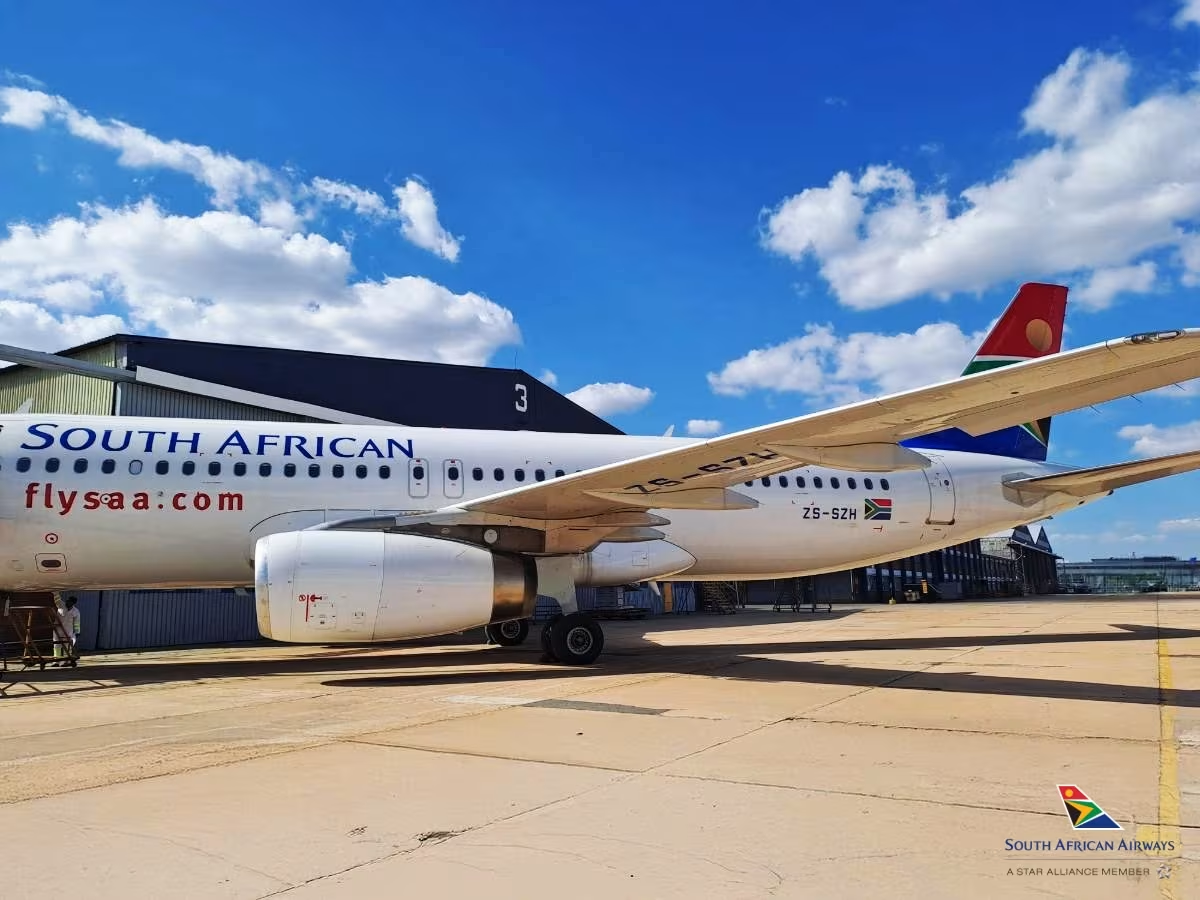
Historically, travellers journeying between Gaborone and Maseru have been compelled to route through Johannesburg's O.R. Tambo International Airport in South Africa. This indirect path significantly added to travel time, cost, and logistical complexity for what should be a straightforward regional connection.
By forging a direct air corridor, both governments envision unlocking new commercial prospects while simultaneously lessening their dependence on external hubs for intra-African mobility.
Discussions regarding the proposed air link have been ongoing, with senior officials from Botswana and Lesotho engaging regularly throughthe Bi-National Commission (BNC) framework.
Lesotho's Prime Minister Samuel Matekane and Botswana's President Duma Boko have actively championed the transition from dialogue to concrete action, urging their respective institutions to expedite the process of transforming political commitments into tangible services.
The Botswana–Lesotho Business Forum, a gathering of private sector entities from both nations, has also voiced strong support, recognizing the clear commercial advantages of a direct air corridor.
The broader aviation landscape makes this development particularly compelling. Air Botswana, the state-owned flag carrier based in Gaborone, has navigated years of financial pressures, and the potential Gaborone–Maseru route could present a fresh commercial avenue for expansion beyond its existing domestic and regional network.
Conversely, Lesotho Airways, whose potential revival has been a topic in recent industry discussions, could be strategically positioned to play a role, contingent on the agreement of a viable operating model. Consequently, the eventual selection of operator, flight frequency, and aircraft type will be closely observed by trade partners across the region.
Importantly, Botswana is increasingly emerging as a focal point for aviation dealmaking this year. Parallel to the negotiations with Lesotho, Botswana is also engaged in advanced discussions with Eswatini to establish a direct air link.
Eswatini representatives met their Botswana counterparts during the tenth edition of the AviaDev Africa 2026 conference in Gaborone. This demonstrates a discernible trend among smaller Southern African economies to deliberately forge direct connections with one another, rather than automatically defaulting to Johannesburg as the transit hub.
For African travel professionals, the potential benefits are substantial. A direct Gaborone–Maseru service promises to dramatically reduce journey times, lower travel costs for business delegations, and create opportunities for innovative multi-destination tour packages.
These packages could seamlessly combine Botswana's globally renowned safari offerings with Lesotho's breathtaking mountain landscapes, rich cultural heritage, and adventure tourism appeal.
Corporate travel buyers, in particular, will appreciate the reduced friction, while conference organizers may discover new possibilities to host regional gatherings that attract delegates from both nations without the encumbrance of complex routings.
However, the journey from negotiation to operational service is seldom without hurdles. Comprehensive route viability studies, meticulous commercial risk assessments, careful aircraft selection, slot arrangements, and crucial regulatory approvals must all be meticulously addressed before passengers can board a direct flight.
Past experiences across the continent indicate that Bilateral Air Services Agreements can progress slowly, and lessons from previous open skies discussions in the region underscore the vital importance of sustained political will to see agreements through to successful launch.
Looking forward, the Gaborone–Maseru initiative should be viewed as an integral component of a wider effort to concretely realize the ambitions of the Single African Air Transport Market (SAATM) on the ground.

As more African nations enter into bilateral agreements and open their skies to one another, the continent steadily advances towards a future where regional travel is faster, more affordable, and more resilient.
Trade partners throughout sub-Saharan Africa would be well-advised to closely monitor developments in Gaborone and Maseru in the coming months, as a successful launch here could potentially inspire a new wave of intra-African connectivity, reshaping how travel business is conducted across the region for years to come.