MLB Faces Backlash: New Draft Rules Threaten High School Baseball Talent
The proposed rule, if ratified, would significantly alter the career paths of young baseball prospects.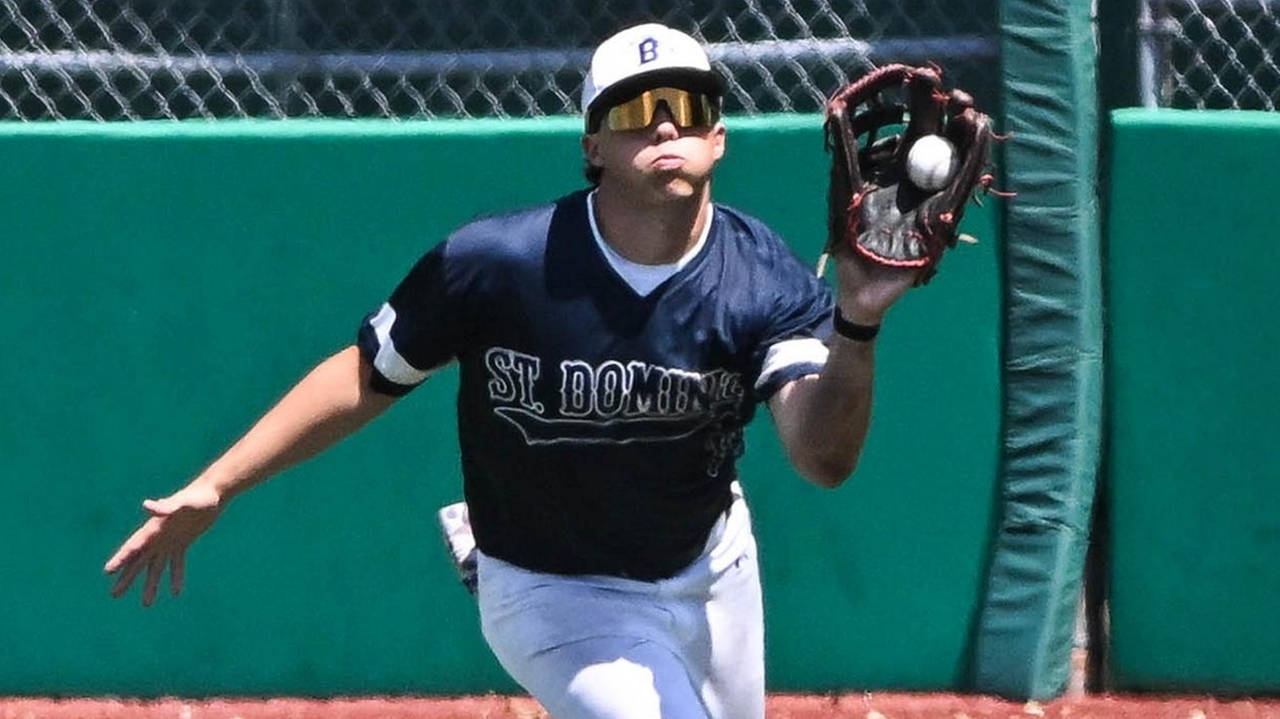
A significant proposal from Major League Baseball (MLB) to the MLB Players Association (MLBPA) threatens to reshape the amateur draft landscape, potentially ending the eligibility of high school players starting in 2028. This move, currently under negotiation for a new collective bargaining agreement, has sparked considerable debate, particularly among high school coaches, current prospects, and former players who benefited from the direct path to professional baseball.
The proposed rule dictates that high school players would be ineligible for the amateur draft. Instead, eligibility would be limited to college and international prospects. Specifically, players would need to be 20 years old by September 1 of the draft year and at least two years removed from high school graduation. This means the 2027 draft would be the final opportunity for high schoolers to be drafted directly out of secondary school. For instance, Long Island's Dylan Weinstein, a rising junior and starting shortstop for St. Dominic’s 2026 CHSAA state championship team, would be among the first class of players affected. Weinstein, who hit .393 with 11 doubles and nine home runs last season, has committed to the University of Florida but still aims to keep his draft options open. He expressed strong disapproval of the proposal, viewing it as taking away a significant personal goal.
The impact of such a change is deeply felt by the high school baseball community. Coaches like Josh Gutes of Hauppauge, whose player Michael Oliveto was drafted in the first round by the Detroit Tigers and signed for $2.45 million, question the fairness of denying talented high schoolers the choice to sign or go to college. The proposal eliminates the chance for immediate, life-changing financial opportunities, exemplified by Oliveto or Aiden Ruiz, who signed for $3.5 million with the Pittsburgh Pirates out of The Stony Brook School. Beyond financial implications, coaches like Anthony Frascogna of Patchogue-Medford, who coached future major leaguers Steven Matz, Marcus Stroman, and Josh Knoth, worry about the loss of community interest and the impact on the competitiveness of high school games, which often draw large crowds due to the presence of potential draft picks.
MLB's rationale for the proposal centers on player development and financial considerations. They argue that college provides a more beneficial environment for young players to mature. MLB highlights statistics indicating that 82 college players since 2023 reached the majors within two years of being drafted, a significant increase from previous years. Furthermore, the league plans to shorten the draft from 20 rounds to 12. From a financial perspective, owners believe this change will shift monetary risk in their favor, as they would no longer need to commit substantial signing bonuses to untested teenagers. Examples like George Lombard Jr.'s $3.3 million signing bonus with the Yankees (turning down Vanderbilt) and Grady Emerson's record $9.74 million bonus with the Rays illustrate the significant investments made in high school prospects who might still be years away from the big leagues.
However, the journey for high school draftees can be a