Mike Flanagan Confirms Pivotal Creative Change for Prime Video's 'Carrie' Adaptation
Mike Flanagan's new Prime Video series, an adaptation of Stephen King's <em>Carrie</em>, highlights a deliberate choice to feature an all-female directing team, ensuring women shape Carrie White’s story. This approach is explored alongside a Collider quiz that delves into survival strategies against iconic horror villains, from Jason Voorhees to Chucky.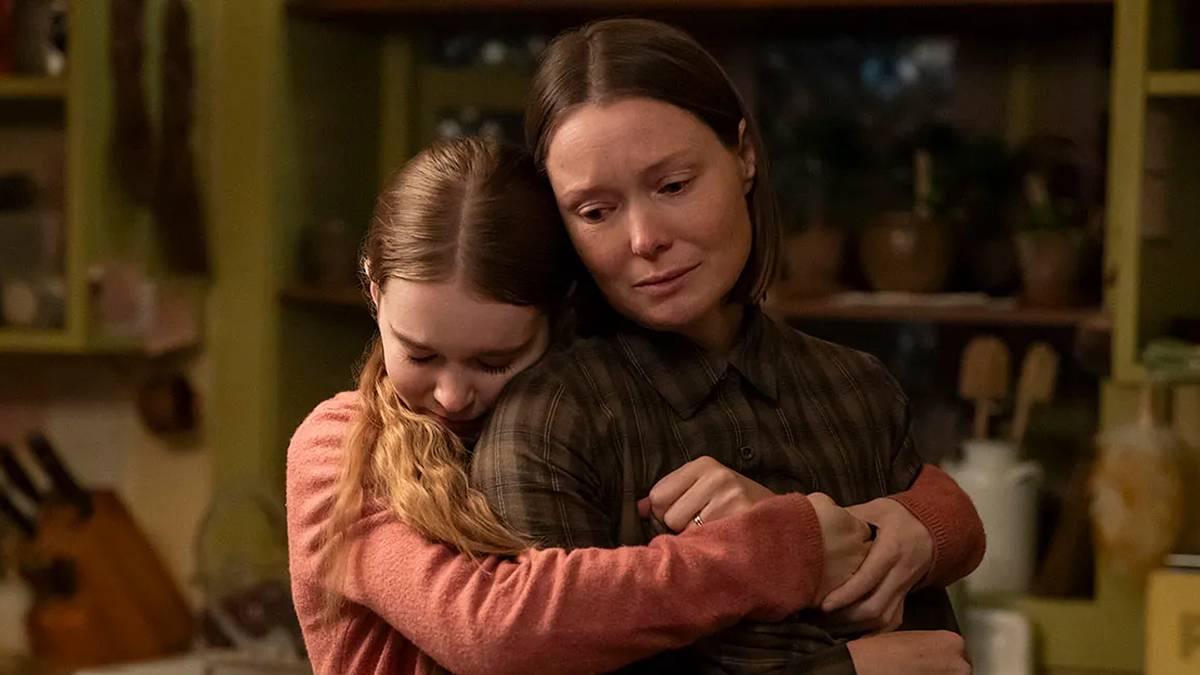
Stephen King’s iconic novel, Carrie, which has haunted readers for over five decades, is receiving a new adaptation as a Prime Video series. Showrunner Mike Flanagan, serving as writer and executive producer and directing half of the eight-episode season, made a deliberate choice to involve women in shaping Carrie White’s story, from the writers’ room through production. This commitment stemmed from his recognition that “middle-aged men have been telling Carrie White’s story for far too long,” as he shared at the Toronto International Film Festival. The result is an entirely female roster of directors alongside Flanagan: Kate Siegel, Axelle Carolyn, Kyra Sedgwick, and Hiromi Kamata.
Flanagan carefully matched each director to the specific creative and logistical demands of their episodes. Kate Siegel, whose personality as a filmmaker shone through, directed Episode 3, which Flanagan praised for its energy, music, and movement. Axelle Carolyn, a frequent collaborator, was deemed perfect for Episode 4, an episode sending characters into a particularly terror-inducing location, requiring a director who could fully embrace its horror. Kyra Sedgwick, the only new collaborator to Flanagan, brought extensive on-camera experience to Episode 5, offering a unique perspective. Hiromi Kamata tackled Episode 6, considered one of the season’s most challenging assignments due to its delicate ensemble work and large-group staging, which Flanagan noted she handled “exceptionally.” All eight episodes of the Carrie series are set to premiere on Prime Video on October 7.
Beyond the narrative of Carrie, the world of horror also invites audiences to engage with their own survival instincts, as explored in Collider's “Which Horror Villain Do You Have the Best Chance of Surviving?” quiz. This interactive experience challenges participants to assess their instincts, strengths, and fears against five iconic killers: Jason Voorhees, Michael Myers, Freddy Krueger, Pennywise, and Chucky.
The quiz outlines various survival archetypes: against **Jason Voorhees** from Friday the 13th, the advantage lies in recognizing his relentless but predictable nature. Survivors often keep moving, utilize the environment, and resist panic, exploiting his lack of strategy. For **Michael Myers** of Halloween, patience and methodical observation are key. His power relies on stealth in ordinary suburbia; spatial awareness and acting on subtle anomalies are crucial, akin to Laurie Strode’s defensive acumen.
**Freddy Krueger** from A Nightmare on Elm Street targets the mind, using fears and memories as weapons. Psychological resilience and the ability to stay grounded when reality becomes unreliable are vital, as his power wanes when victims refuse to give him the fear he feeds on. Facing **Pennywise** from It, an ancient, shapeshifting entity that feeds on terror, demands a genuine refusal to be afraid. Directness, asking uncomfortable questions, and looking fear in the eye rather than letting it fester are its worst nightmare. Finally, against **Chucky** from Child's Play, the primary weapon is taking the threat seriously from the start, irrespective of its appearance. Chucky thrives on being underestimated and on the delay between recognition and response; skepticism and quick action close that critical gap.