Mass Author Protest: Thousands Publish 'Empty' Books Against AI Theft
Nearly 10,000 authors, including Sir Kazuo Ishiguro and Jacqueline Wilson, are protesting AI companies' use of their work without permission by publishing an "empty book" titled "Don't Steal This Book." This action highlights concerns about stolen creative work and challenges Big Tech's economic arguments, as the UK government delays decisions on AI copyright rules amidst industry backlash. Publishers are also launching a licensing initiative to find solutions.
Nearly 10,000 authors, including renowned figures like Sir Kazuo Ishiguro, Jacqueline Wilson, Kate Mosse, Cecelia Ahern, Sebastian Faulks, Jeffrey Archer, Antony Beevor, Jeanette Winterson, Philippa Gregory, Richard Osman, Mick Herron, Marian Keyes, David Olusoga, and Malorie Blackman, have united to publish an "empty" book titled "Don't Steal This Book."
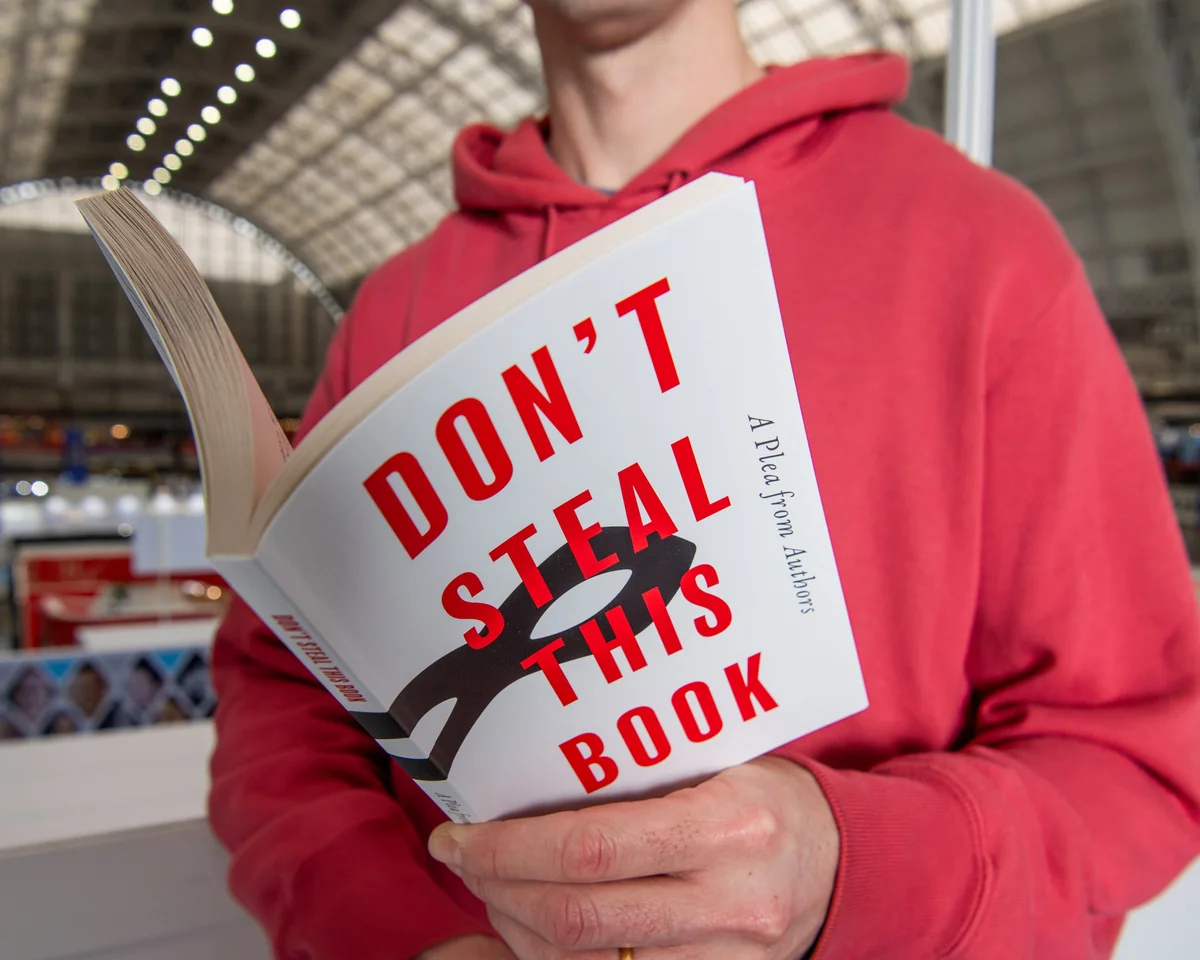
This collective action serves as a powerful protest against the widespread use of their copyrighted work by tech companies to train artificial intelligence (AI) models without permission or payment.
Copies of this symbolic book are being distributed at events like the London Book Fair, drawing attention to a critical issue for the creative industry.
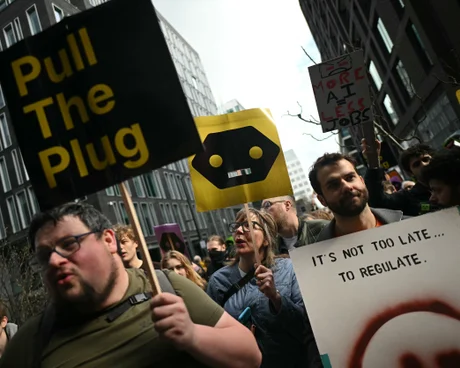
The protest highlights the deep concern among creatives that the AI industry is fundamentally built on "stolen work."
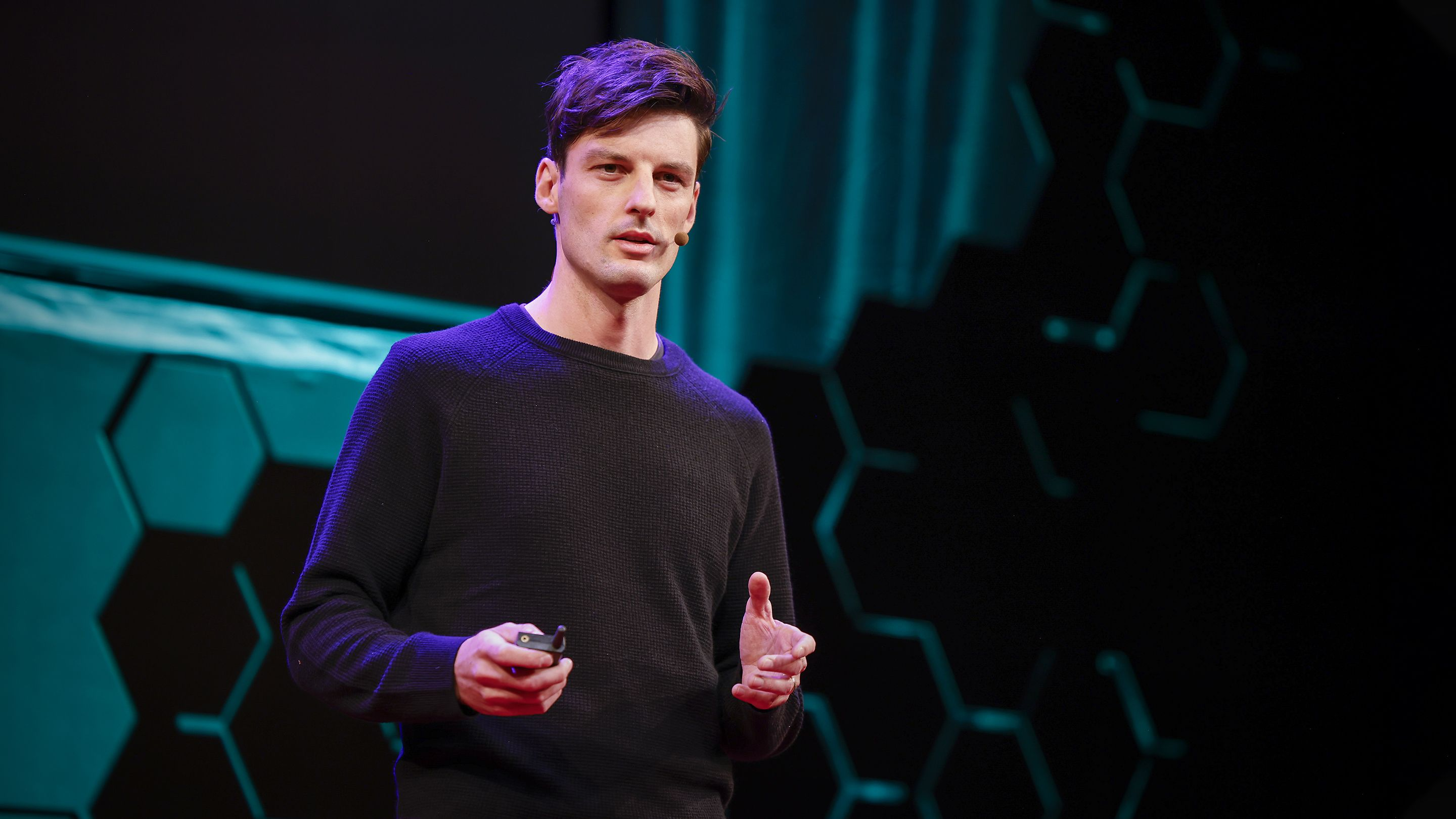
Ed Newton-Rex, a composer and the campaign's organizer, asserts that the life's work of writers and other creatives is being taken without permission or compensation, describing it as "not a victimless crime."
He emphasizes that generative AI directly competes with the very individuals whose work it is trained on, thereby threatening their livelihoods.
The campaign urges the government to protect the UK's creative sector and explicitly refuse to legalize the unauthorized use of creative work by AI companies.
Malorie Blackman echoed this sentiment, stating it is "not in any way unreasonable to expect AI companies to pay for the use of authors’ books."
This creative backlash is further fueled by analytical findings that challenge Big Tech's assertions about the economic benefits of weakening copyright laws.
A report by management consultants Oliver and Ohlbaum, which reviewed economic modelling by tech firms like Microsoft/Public First, the Computer & Communications Industry Association (CCIA), and the Centre for British Progress, concluded that their claims are "fantasy economics."
Commissioned by the News Media Association, Publishers Association, and Publishers' Licencing Services, the review found no evidence that diluting copyright would provide the UK with a competitive advantage or deliver net economic growth.
Instead, it argued that these models wrongly assume copyright is the primary constraint on AI growth, overlooking more significant barriers such as skills shortages and energy costs, and failing to explain how changing copyright rules would be decisive for UK competitiveness.

Owen Meredith, CEO of the News Media Association, warned of the "catastrophic consequences that weakening copyright would have for our world-leading creative and media sectors."
Amidst this growing outcry, ministers are reportedly planning to delay making difficult decisions on AI copyright rules.
Following a two-month consultation that failed to yield a favored option and a significant backlash from creatives, the government has abandoned contentious changes that would have eased AI companies' access to content.
By March 18th, ministers are due to deliver an economic impact assessment and a progress update on the consultation.
The government's main proposal in the consultation – allowing AI firms to use copyright-protected work unless the owner opts out – has sparked outrage.
Other suggested options include maintaining the status quo, requiring AI companies to seek licenses, or permitting AI use with no opt-out.
Furthermore, the government has not ruled out a copyright waiver for "commercial research," a prospect that creative professionals fear could be exploited by AI firms to bypass payment.

A government spokesperson stated a commitment to a copyright regime that "values and protects human creativity" and to engaging closely with the creative sector.
Beyond the protest, the publishing industry is actively seeking solutions.
Publishers are set to launch an AI licensing initiative at the London Book Fair, with Publishers’ Licensing Services establishing a collective licensing scheme to provide legal access to published works for AI training.
This proactive approach aims to address the vast data requirements of AI, which often include copyright-protected material taken from the open web, a practice that has already triggered numerous lawsuits globally.
For instance, Anthropic, a leading AI firm behind the Claude chatbot, agreed to a $1.5 billion settlement last year in a class-action lawsuit by authors alleging the use of pirated copies of their works for training.
Musicians, including Sir Elton John, have also previously protested against content theft, with Elton John notably criticizing the government's proposed relaxation of copyright law.