Madagascar Revolutionizes Capital Travel with New Urban Train Service
Madagascar has launched the new Train Urbain passenger service in Antananarivo to alleviate traffic and offer a reliable commute. This 16-kilometre line is part of a national strategy to revitalise the country's railway sector, with plans for expanded services and rehabilitation of key economic corridors. The initiative highlights a commitment to sustainable urban mobility and broader economic development.
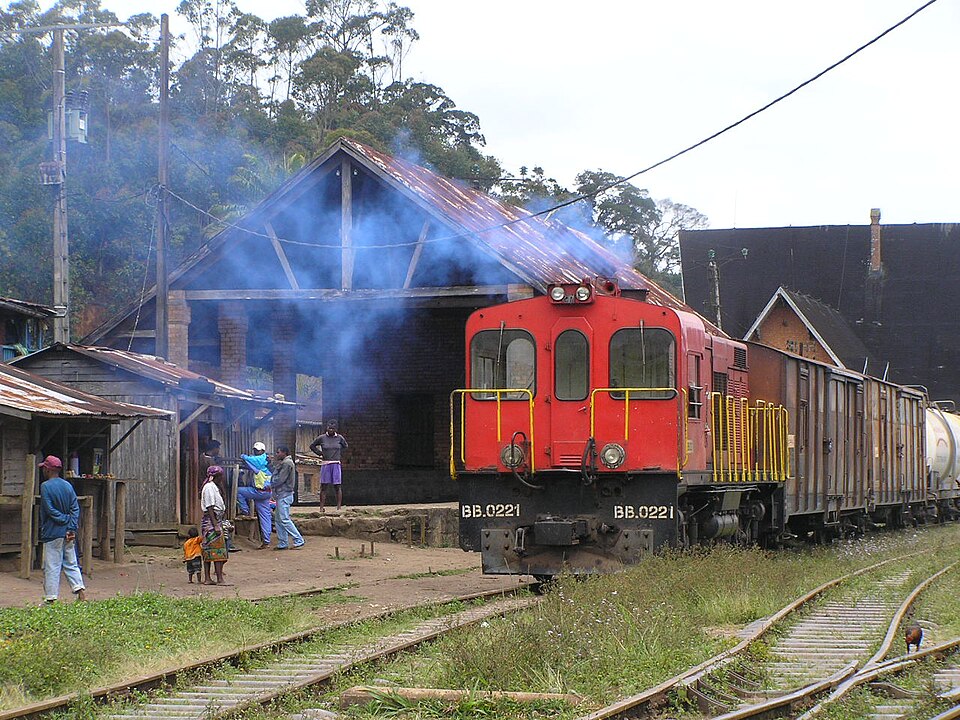
Madagascar has successfully inaugurated a new passenger train service, the Train Urbain, in its capital, Antananarivo. The 16-kilometre line, connecting Soarano station to Ambohimanambola, aims to provide residents with a fast, reliable, and comfortable alternative to daily commuting, addressing the city’s growing traffic congestion.
The service officially began on December 16, offering two daily trips at 5:00 a.m. and 5:30 p.m., each lasting 55 to 65 minutes. Each train set, comprising a locomotive and two coaches, can carry up to 300 passengers per trip. Plans are already underway to introduce a second train to increase frequency and reliability.
Strategic Revitalization of Madagascar’s Railways
The Train Urbain project is part of a broader national effort to modernize Madagascar’s extensive railway network. Operational management falls under a dedicated entity supervised by the Ministry of Transport, led by Director of Rail Transport Nestor Mamitiana Raveloson.
Key national initiatives include discussions with international partners to rehabilitate the critical Antananarivo – Toamasina corridor, connecting the capital to the country’s main port. The restoration of the 160-kilometre Fianarantsoa-Côte Est (FCE) line is also a priority, with government subsidies supporting the project as a driver of regional economic development.
Economic and Environmental Benefits
Madagascar’s new urban train service highlights the potential of rail infrastructure to stimulate trade, boost tourism, and improve social connectivity.
The initiative offers sustainable urban mobility solutions, alleviates road congestion, and enhances commuter convenience. For African transport and tourism stakeholders, it signals a strong commitment to inclusive development and economic vitality, positioning railways as a critical tool for modernizing urban environments while supporting broader continental infrastructure goals.