Lungu's Lingering Legacy: Ex-President Unburied Amidst Shocking Legal Dispute
The unresolved burial of former Zambian President Edgar Lungu has become a complex political and legal issue, transitioning from a dispute over family rights to a central campaign promise. After a South African Supreme Court ruling favored the family's autonomy over governmental claims, the delay in burial now raises questions about whether the former president's body has become part of an election strategy, highlighting ethical concerns in Zambian politics.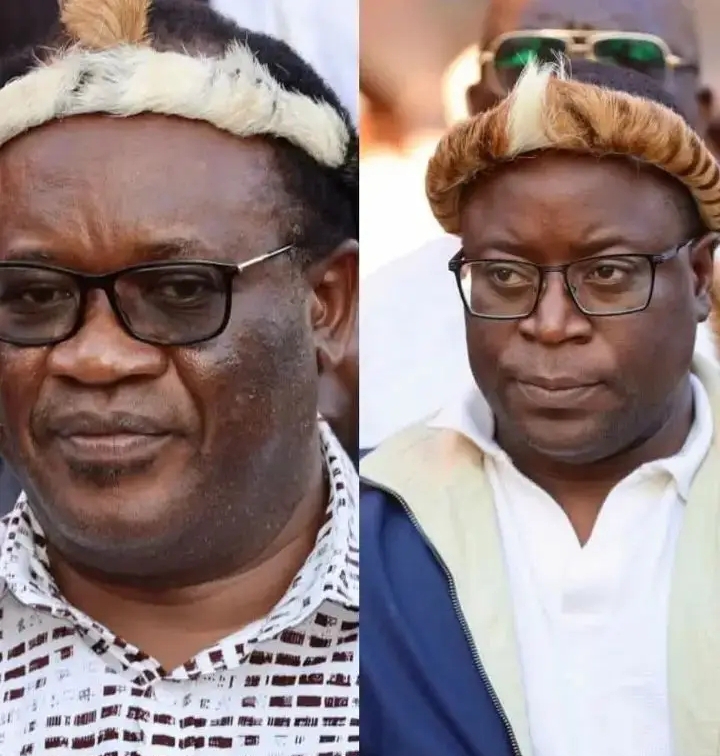
The unresolved burial of former Zambian President Edgar Lungu has become a contentious issue, evolving from a dispute over family rights and dignity into a central point of political contention ahead of an election. Initially, the public was informed that the matter revolved around the late president's clear wishes, family rights, and dignity, with an insistence that the incumbent President Hakainde Hichilema should be excluded from funeral proceedings. The family reportedly sought burial outside Zambia, asserting their right to determine the location, while the Zambian government argued for burial on Zambian soil at Embassy Park, citing national honours and precedent for former heads of state.
The legal battle surrounding the burial proceeded through South African courts. The Zambian government initiated proceedings before the South African High Court to repatriate President Lungu’s remains, arguing his entitlement to a state funeral with full military honours at Embassy Park, a stance the family did not entirely reject but conditioned on President Hichilema’s non-attendance. On June 25, 2025, the High Court ruled in favour of the Zambian government, ordering repatriation and burial at Embassy Park, based on a finding of a binding agreement between the parties (designated “FAA7”). The High Court also determined that Zambian law was the substantive law governing the dispute, referencing the precedent of Dr. Kenneth Kaunda's burial.
However, on June 23, 2026, the Supreme Court of Appeal reversed the High Court's decision. Central to its reasoning was a clear distinction between private burial disputes among family members and those involving the exercise of governmental authority. The Supreme Court emphasized constitutional protections for the family's rights to dignity, privacy, and autonomy, asserting that governmental interests could not override these rights without a clear and convincing legal basis. The Court also reaffirmed the common-law principle that, in the absence of binding burial instructions, decisions typically rest with the deceased’s heirs under the law of succession, aligning this with constitutional guarantees.
The Supreme Court’s judgment was not unanimous; a dissenting opinion largely aligned with the High Court, asserting that a binding agreement existed and its enforcement would not infringe constitutional rights. This dissent highlighted the genuinely arguable legal and constitutional complexities, demonstrating that the Zambian government's case was not frivolous but presented difficult questions concerning public authority, contractual obligations, and family autonomy.
Observations on the majority judgment noted several areas for closer examination. The Court did not clearly articulate a constitutional methodology for balancing competing interests, largely assuming the family’s rights prevailed. It also characterized the government's conduct as