Kenya Records First Ebola Case: 50 Years After the Virus First Emerged
Nearly 50 years after Ebola emerged, Kenya has recorded its first case, but how far could the virus travel next?
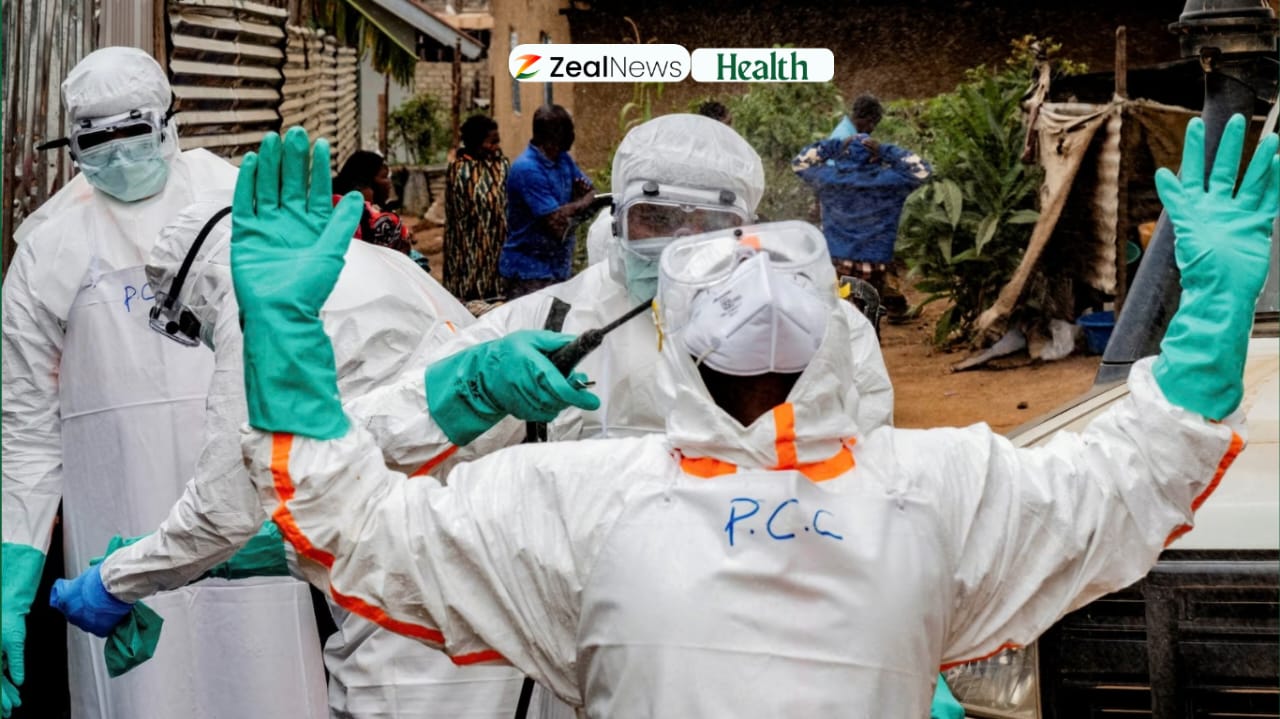
Nearly 50 years after Ebola was first identified in Africa, the virus has once again crossed a border and arrived in a country that had never recorded a case before.
Kenya confirmed its first Ebola case on Tuesday after a Kenyan citizen who had lived in the Democratic Republic of Congo (DRC) for seven years died in Nairobi.
The man had been ill for about a month before travelling by road from Congo to Kampala, Uganda, and later boarding a Jambojet flight to Nairobi on Saturday.
After arriving at Nairobi's international airport, he passed through health screening before being taken by a relative to Nairobi Hospital. He was admitted with fever, chills and bleeding beneath the skin and was quickly isolated.
He died on Monday night. Health officials said medication may have masked his symptoms during the airport screening.
Now, instead of asking whether Ebola is still a threat, Kenya is dealing with the more immediate question: who else may have been exposed?
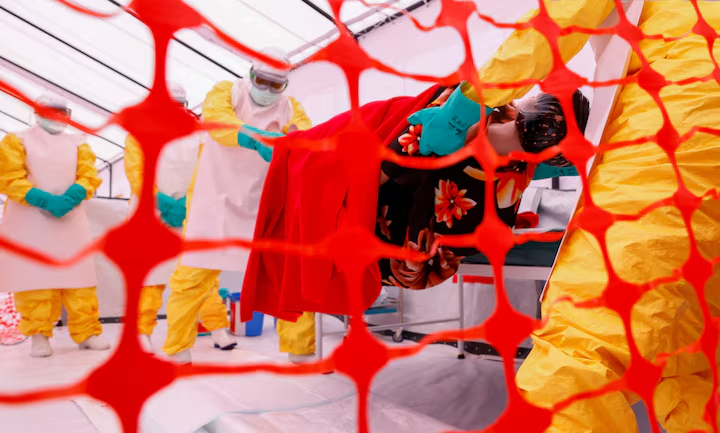
From a Remote Village in 1976 to a Flight Into Nairobi
Ebola is not a new disease. Its story began in 1976, when two outbreaks were detected almost simultaneously—in what is now South Sudan and in Yambuku, in what is now the Democratic Republic of Congo.
The Congo outbreak occurred near the Ebola River, which gave the disease its name.
For decades, Ebola outbreaks were often associated with relatively contained communities in Central and West Africa. Then came the devastating 2014–2016 West African outbreak, which became the largest and most complex Ebola outbreak recorded at the time, killing more than 11,000 people.
The lesson from those outbreaks was clear: distance alone cannot keep a contagious disease away.
Today, people can travel from one country to another in hours, but that is exactly what happened in this case.
The patient travelled from Congo to Uganda by road and then flew to Kenya, turning what began as a health emergency in one country into a contact-tracing exercise across borders.
The current Congo outbreak is being caused by the Bundibugyo virus, one of the viruses in the Ebola family known to cause large outbreaks. Reuters reported that the outbreak has now exceeded 8,000 cases and 4,000 deaths, making it the second-largest Ebola outbreak on record.

Kenya Is Now Looking for People Who May Have Crossed Paths With Him
Kenyan health authorities have identified 28 people who came into contact with the patient inside the country, including relatives and healthcare workers.
But the investigation does not end there.
Officials are also trying to trace 27 people from the Jambojet flight—23 passengers and four crew members—who may have been exposed during the journey. Jambojet, a subsidiary of Kenya Airways, said it was cooperating with health authorities.
The patient was due to be buried under special Ebola safety protocols designed to prevent further transmission.

Kenya says it is prepared for the situation. Nearly 5,000 health workers have been trained in Ebola prevention and management, while the country has maintained heightened surveillance since the Congo outbreak began.
Kenya also has a 50-bed Ebola quarantine facility built by the United States at an air force base in central Kenya. The facility is currently empty and has housed only seven people since it was established.
That facility, once a precaution for a disease that had not reached Kenya, suddenly has a very different significance.
The Virus Has Changed, But So Has the Response
Ebola remains a severe disease, but the response to it today is very different from what it was when the virus was first recognised.
According to the World Health Organization, Ebola spreads primarily through direct contact with the blood or other bodily fluids of infected people, including from people who have died from the disease.
These symptoms can include fever, fatigue, vomiting, diarrhoea and, in severe cases, internal or external bleeding.
Modern outbreak control relies on several layers: quickly identifying cases, isolating patients, tracing contacts, testing, infection prevention and control, safe burials and, where applicable, vaccination.
Uganda, which lies between Congo and Kenya, recorded 20 cases and two deaths earlier this year but was declared Ebola-free in August. Kenya is now the third country to record a case linked to the current epidemic.
That sequence shows why outbreaks rarely respect national borders.
The first Ebola outbreaks in 1976 happened nearly half a century ago, but since then, Africa has experienced repeated outbreaks, learned painful lessons and built stronger systems for detecting and containing the virus.
Yet Kenya's first case is a reminder that preparedness is not the same thing as immunity.
Conclusion
Kenya's first Ebola case does not automatically mean the country is facing a widespread outbreak.
For now, the most important work is happening quietly: tracing contacts, monitoring people who may have been exposed, testing suspected cases and preventing the virus from finding another chain of transmission.
But the journey of this case—from Congo, through Kampala, onto a plane and into Nairobi—shows how quickly a disease can move in a connected Africa.
Ebola first appeared in the public health record in 1976. Nearly 50 years later, the virus is still forcing countries to confront the same basic question: How quickly can we detect it before one case becomes many?