Horror in Kharkiv: Russian Strike Claims 10 Lives in Ukraine's Northeast
Recent escalation in the Russia-Ukraine conflict has led to a surge in long-distance attacks, causing significant civilian casualties and targeting vital energy infrastructure. A deadly rocket strike hit a Ukrainian village, while hundreds of drones targeted Moscow, underscoring the devastating impact of intensified aerial warfare on both nations.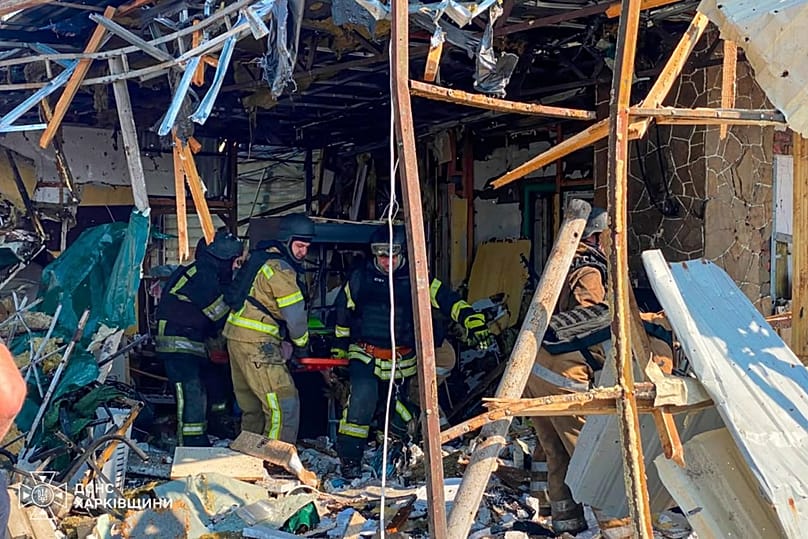
The protracted conflict between Russia and Ukraine has seen a significant escalation in long-distance attacks, resulting in a stark increase in civilian casualties and widespread damage to critical infrastructure. This intensified aerial warfare reflects a shift in tactics as frontline fighting remains largely static and peace talks are frozen.
In a recent and tragic incident, a Russian rocket strike on Pechenigy, a village approximately 40 kilometres from the Russian border in Ukraine's Kharkiv region, claimed the lives of at least 10 people and wounded eight others. The assault caused extensive damage to private residences and commercial establishments. The Kharkiv region, which has endured heavy bombardment since Russia's full-scale invasion in February 2022, continues to be a focal point of such devastating attacks.
Concurrently, Russian officials reported a massive drone attack targeting the Moscow region overnight, involving a staggering 620 drones. While air defence and electronic warfare systems reportedly repelled the assault, several individuals sustained injuries, and buildings were hit. The Pavlovsky Posad district experienced the most severe consequences, including a house burning down, highlighting the growing vulnerability of Russian territories to Ukrainian long-range capabilities.
The surge in these long-distance strikes has pushed the civilian death toll to its highest levels since the initial months of the war in 2022. The United Nations has reported nearly 17,000 civilian fatalities in Ukraine, with July's toll of 437 representing a 70% increase compared to the same month in the previous year, underscoring the intensified barrages by Russian forces against urban targets, including apartment blocks, ports, schools, and hospitals.
A major focus of Russia's campaign has been Ukraine's energy sector. Ukraine’s state energy company Naftogaz Group revealed that its facilities had been targeted 13 times in a single week, bringing the total number of attacks to nearly 300 since the beginning of the year. These strikes, often involving drones and missiles, have inflicted serious damage on equipment and production capacity across several regions. DTEK Group, Ukraine’s largest private energy investor, also reported a Russian attack that ignited a fire at one of its mines, tragically killing a 52-year-old worker. Russia's strategy appears to be "weaponising winter," aiming to undermine Ukraine's will to fight by disrupting essential services like light, heating, and running water during the colder months, a campaign Ukrainian officials fear will continue through the upcoming winter.
In retaliation, Ukraine has been actively expanding its aerial campaigns, deploying new long-range weapons to strike deep inside Russia. Ukrainian drones have targeted Russian energy sites, aiming to disrupt a vital revenue source for the Russian military. The increasing frequency of Ukrainian drone attacks on the Moscow region has even led to the cancellation or scaling back of major public events. Organisers postponed the Spasskaya Tower International Military Music Festival on Red Square, citing reasons beyond their control, and authorities significantly reduced the military hardware display at Russia's annual Victory Day celebrations in May due to fears of long-range drone strikes.
Despite initially relying heavily on foreign military aid after the full-scale invasion, Ukraine has made significant strides in bolstering its domestically produced firepower. This includes firing a salvo of over 800 long-range drones at Russia and successfully targeting depots belonging to Wildberries, Russia’s primary online retailer, located as far as 2,000 kilometres from Ukraine’s border. While facing a severe shortage of US-made Patriot air defence interceptors, critical for countering ballistic missiles, Kyiv is swiftly innovating. Ukraine is actively developing its own ballistic missile capabilities to strike back at Russia and is collaborating with European nations to enhance its anti-ballistic air defence systems.