Horror Icon Faces Court Battle: Century's Biggest Hit Sued!
Focus Features' "Obsession" has become a monumental horror success, but it is now embroiled in a lawsuit as executive producer Leonora Ann Darby claims she was cheated out of her fair share of the film's $500 million global earnings. Meanwhile, a "Horror Survival Quiz" explores how different personalities might fare against iconic horror villains like Jason Voorhees and Freddy Krueger.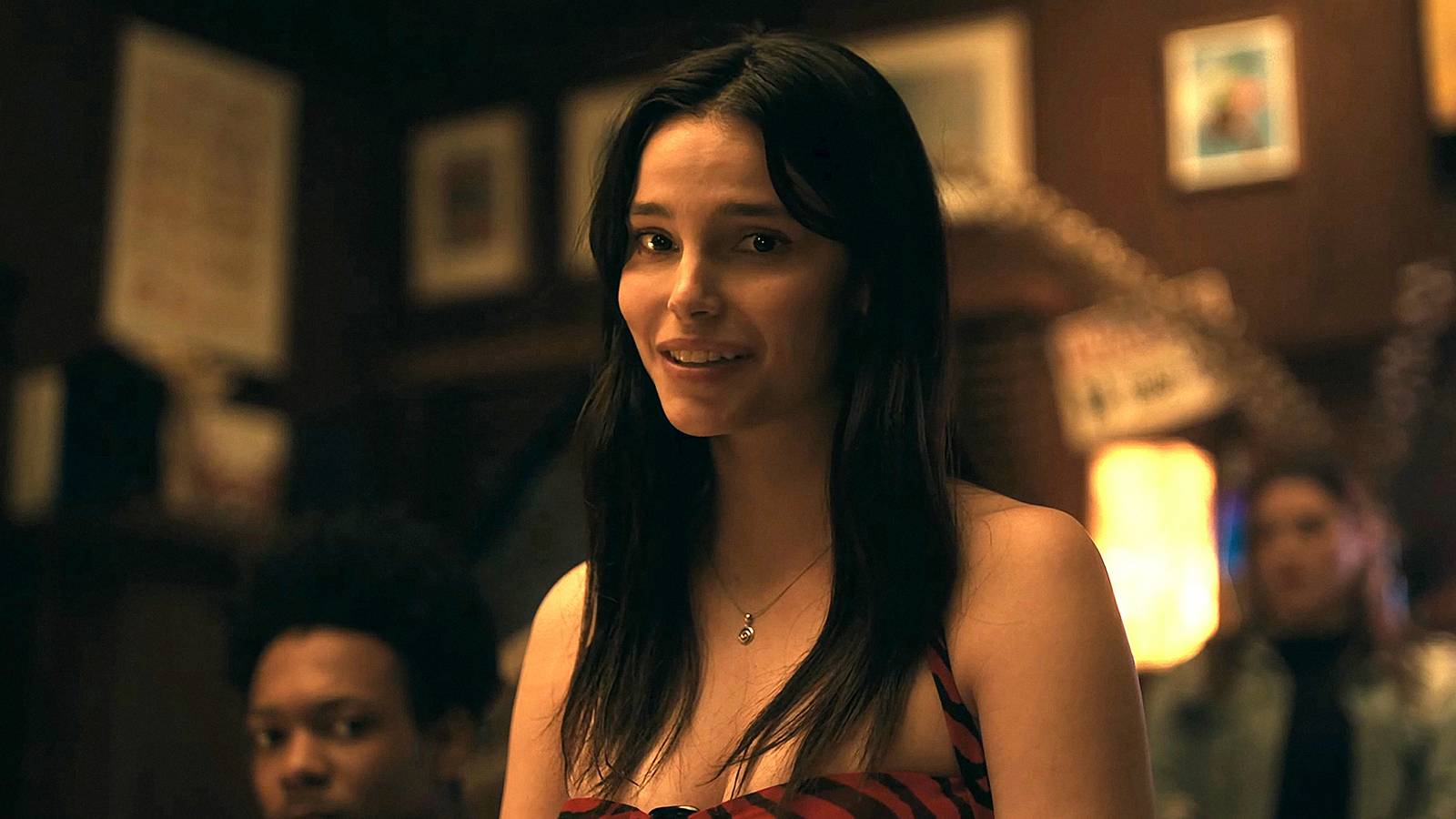
Focus Features' horror film "Obsession" has achieved remarkable success, becoming the most successful horror movie at the box office of this century and one of the most successful movies of all time. With a sub-$1 million budget, it grossed over $500 million worldwide, setting several records. These include becoming the highest-grossing non-animated original film of the past decade, the highest-grossing original horror movie of this century, and the fifth highest-grossing horror film of all time. However, this success is now shadowed by a lawsuit.
Executive producer Leonora Ann Darby, who made the film alongside Blumhouse Productions and Capstone Studios via Tea Shop Productions, is suing James Harris and Mark Lane. The breach of contract complaint, filed on August 28 in Los Angeles Superior Court, accuses them of cheating her out of a fair share of the film's enormous profits. Darby's 135-page filing details a seven-year pattern of unequal treatment and broken compensation promises. She claims she was onboarded in 2019 with a promise of being an "equal producer," including equal compensation, company direction, project decisions, financial transparency, and access to business opportunities.
Darby alleges she was promised one-third (33.33%) of the net profits due to Tea Shop on films she lead-produced, along with direct participation in collection account management agreements. She states she upheld her end of the bargain from 2019 to 2026, including originating and developing projects and onboarding filmmakers. Crucially, she claims to have rescued "Obsession" to bring it back on track, only to be scammed out of her fair cut from its $510 million global haul. The complaint further states that the defendants "failed to honor their promises and instead treated Darby as their subordinate, including in a highly demeaning and gendered manner, and continually refused to properly compensate her, culminating in ruthlessly cutting Darby out of the overall net profits for the motion picture Obsession (other than a single initial payment), Tea Shop’s biggest hit and one of the most successful independent films of all time." While Darby admits to receiving an additional $300,000 payment for "Obsession," she asserts this amount is far from her rightful share.
In a related piece of content, Collider offers a "Horror Survival Quiz" designed to determine which horror villain an individual has the best chance of surviving against based on their instincts and traits. The quiz presents eight questions covering instincts, environment, personal strength, types of fear, group roles, common horror movie mistakes, best weapons against threats, and how one would survive the final scene. The five killers featured are Jason Voorhees, Michael Myers, Freddy Krueger, Pennywise, and Chucky, each representing different types of horror challenges.
The quiz results provide insights into how different personality types might fare against specific villains. For instance, those who prioritize constant movement, utilize the environment, and resist panic are best suited to survive against **Jason Voorhees** (Camp Crystal Lake, Friday the 13th), who is relentless but predictable. Survivors against Jason think about terrain, water, and distance, refusing to be where he expects.
Individuals with sharp spatial awareness and an instinct to notice subtle anomalies have the best chance against **Michael Myers** (Haddonfield, Illinois, Halloween). Michael is patient and methodical, his power lying in the invisibility of ordinary suburbia. Noticing slight discrepancies and mapping exits, much like Laurie Strode, provides a crucial edge against him.
**Freddy Krueger** (Elm Street, A Nightmare on Elm Street) preys on the mind, using fears and memories as weapons. Those with strong psychological resilience, who have faced uncomfortable truths and stay grounded when reality is unreliable, are most likely to survive. Freddy's power wanes in the presence of someone who refuses to give him the fear he feeds on.
**Pennywise** (Derry, Maine, It), an ancient, shapeshifting entity that feeds on terror, has a critical vulnerability against those who genuinely stop being afraid. Survivors, like the Losers Club, face their fears honestly and ask uncomfortable questions. A direct refusal to let fear fester in the dark is Pennywise's worst nightmare, rendering a person's fear tasteless to it.
Finally, against **Chucky** (Chicago, Child's Play), whose greatest advantage is being underestimated due to his appearance, skepticism and a refusal to dismiss threats are key. Chucky relies on surprise and the delay between recognition and response. Individuals who take threats seriously regardless of how they present and close that recognition gap quickly, treating every unfamiliar thing with appropriate skepticism, are most likely to survive. Not laughing at the seemingly absurd threat is already a win against Chucky.