Horror Fans Stunned: ‘Crystal Lake’ Dares to Rewrite 'Friday the 13th's Most Iconic Moment
The "Friday the 13th" franchise is reborn with Peacock's prequel series "Crystal Lake," re-examining the origins of Pamela Voorhees. While recreating the original film's iconic opening kill, the series introduces a controversial twist regarding the killer's identity, sparking debate among fans. This reinterpretation highlights the ongoing cultural engagement with horror icons, as seen in interactive quizzes that analyze survival strategies against villains like Jason Voorhees.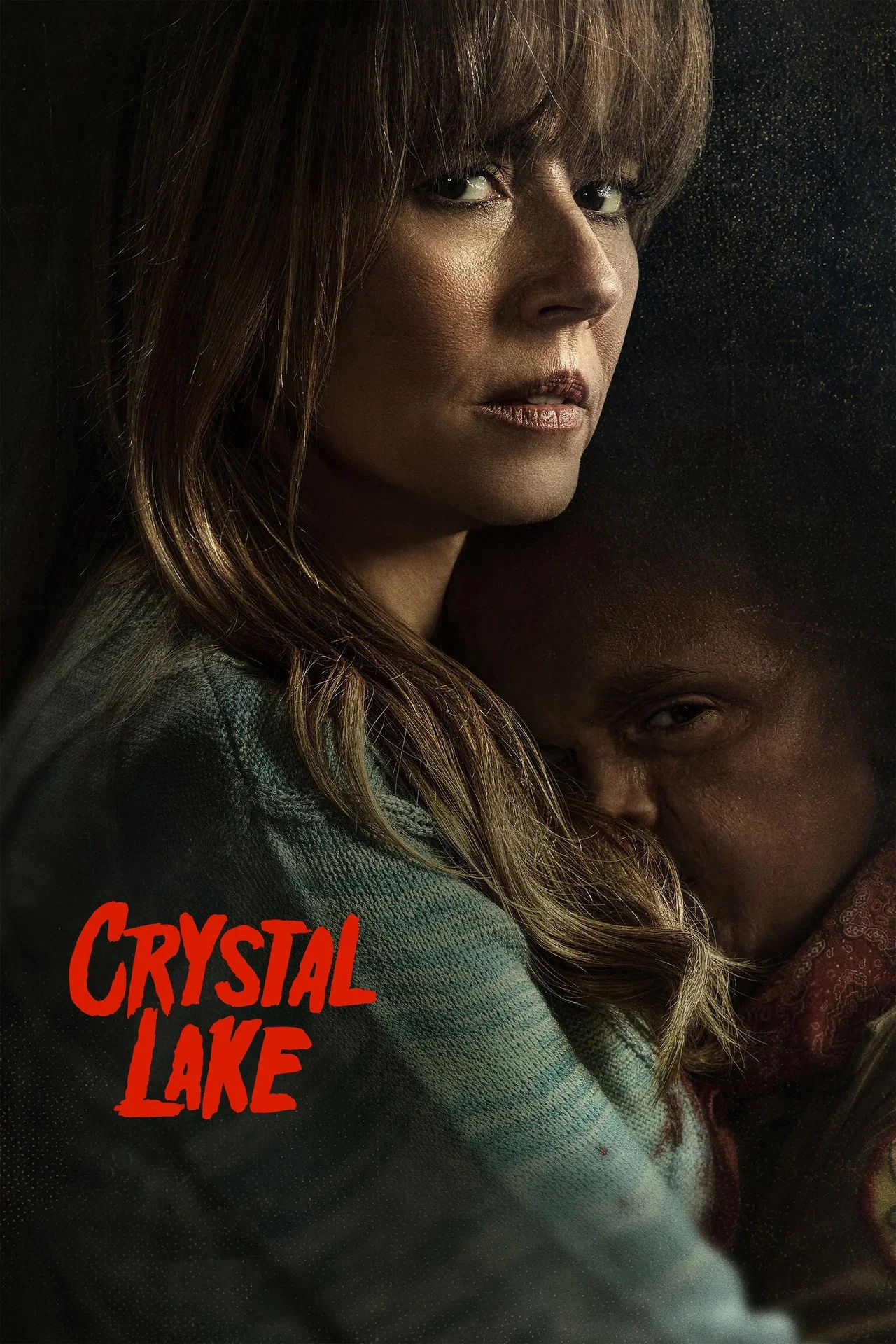
The burgeoning trend of iconic horror movie franchises transitioning to television continues, with "Friday the 13th" now slated for a prequel series titled "Crystal Lake." This development follows successful adaptations of other beloved horror properties, such as "Chucky" from "Child's Play," the first season of "Alien: Earth," and Mike Flanagan's recent reinterpretation of "Carrie." With a years-long legal battle finally resolved, the "Friday the 13th" franchise, which had been dormant since its 2009 film reboot, is poised for a significant resurgence. The new series, produced by A24 and Peacock, stars Linda Cardellini in the pivotal role of Pamela Voorhees and primarily delves into the events preceding the original 1980 film "Friday the 13th." While aiming to deliver its own unique take, "Crystal Lake" embarks on a controversial reimagining of that movie's opening kill scene, a decision that has sparked discussion regarding its impact on the iconic moment.
The original "Friday the 13th," written by Victor Miller and directed by Sean S. Cunningham, was an admitted homage to "Halloween." Following in the footsteps of John Carpenter and Debra Hill's slasher classic, "Friday the 13th" features an opening kill scene set years before the main plot unfolds. The film commences in 1958, 21 years prior to its primary narrative, at Camp Crystal Lake. Within one cabin, a group of counselors is engaged in song, while in another, an unseen presence moves through sleeping campers, revealed only through a first-person camera perspective. Camp counselors Barry (Willie Adams) and Claudette (Debra S. Hayes) retreat from the group to the camp's empty barn, heading upstairs to the loft. Their clandestine activities are abruptly interrupted by the unknown character. The audience is privy only to their escalating terror as Barry is fatally stabbed in the gut. As Claudette attempts to flee, the killer closes in, and her screams cease. This sequence is widely regarded as a highly effective opening, skillfully building suspense. Crucially, unlike "Halloween," which immediately establishes Michael Myers as a child killer, "Friday the 13th" initially keeps the assailant's identity shrouded in mystery. The film evolves into a whodunit, only revealing the killer in its third act: Pamela Voorhees (Betsy Palmer), who emerges from the shadows to deliver a chilling monologue about her son's drowning due to negligent counselors.
While the main narrative of "Crystal Lake" precedes the original film's first kill, the series relocates the setting to the 1970s instead of 1958. Nevertheless, all the familiar elements are present. A young Jason (Callum Vinson) is introduced before the drowning incident that eventually drives his mother to madness. Also featured are the ill-fated camp counselors, Barry (Phoenix Parnevik) and Claudette (Danielle Kotch), whose names foreshadow their tragic demise. In a recreation of the original barn scene, the two are indeed stabbed to death. However, "Crystal Lake" introduces a significant twist: the perspective does not shift to Pamela standing over her victims with a machete. Instead, the series reveals that Barry and Claudette were not initially stabbed by Jason's mother. The true killer is unveiled to be Jason's sole friend, a preteen girl named Grace (Gwendolyn Sundstrom), whose desire for revenge is ignited after she consumes a new hippie friend's illicit stash. Pamela (Linda Cardellini) subsequently discovers the crime scene and delivers the final blows to the teens, but the core event and the identity of the primary instigator have been dramatically altered.
This narrative divergence in "Crystal Lake" has been met with scrutiny. The opening of "Friday the 13th" is traditionally understood as the inciting incident that propels the entire franchise, establishing Pamela Voorhees' murderous rage as a direct response to her son's drowning. Her frayed psyche and belief that every teenager at Camp Crystal Lake is responsible for Jason's death form the bedrock of her iconic villainy, a motivation so compelling it justifies a prequel series decades later. By attempting to establish its own unique identity, "Crystal Lake" is perceived by some as dishonoring its most crucial character by divesting her of one of her most memorable moments of agency. Critics suggest that while the series may have aimed to distinguish itself, rewriting such a foundational piece of the franchise's history may not have been necessary.
Beyond specific series interpretations, the enduring allure of horror villains and their respective franchises frequently translates into broader cultural engagement, including interactive fan experiences. An example of this is the "Horror Survival Quiz" from Collider, designed to assess a participant's chances of surviving various iconic killers. This quiz challenges users to navigate eight questions related to instincts, environment, strengths, fears, group dynamics, common mistakes, potential advantages, and final scene scenarios. It then calculates the best chance of survival against five distinct horror antagonists: Jason Voorhees, Michael Myers, Freddy Krueger, Pennywise, and Chucky. Each villain is presented with a unique profile, highlighting their methods and weaknesses.
Specifically regarding Jason Voorhees, a central figure in the "Friday the 13th" universe, the quiz's analysis characterizes him as relentless yet predictable. It posits that Jason "moves in straight lines toward his target," lacking strategic depth or adaptability, and relying on "brute persistence." For a survivor, the key to evasion lies in constant movement, strategic use of the environment (terrain, water, geography), and maintaining composure to resist panic. This interpretation resonates with the established lore of Camp Crystal Lake, where characters often attempt to use their surroundings to outmaneuver the seemingly unstoppable killer. The quiz further notes that "The Crystal Lake survivors were always the ones who stopped running in circles and started thinking about terrain, water, and distance." Such interactive content underscores the distinct, almost archetypal, characteristics that define each horror icon and their continued resonance in popular culture, allowing fans to deeply engage with the universes they love.