Global Rift: UN Pandemic Declaration Faces U.S. Opposition
The United Nations General Assembly has adopted a political declaration calling for stronger global cooperation to prevent and respond to future pandemics. This non-binding text aims to improve disease surveillance, emergency preparedness, and equitable access to medical countermeasures, while highlighting the critical, unresolved negotiations on pathogen access and benefit-sharing.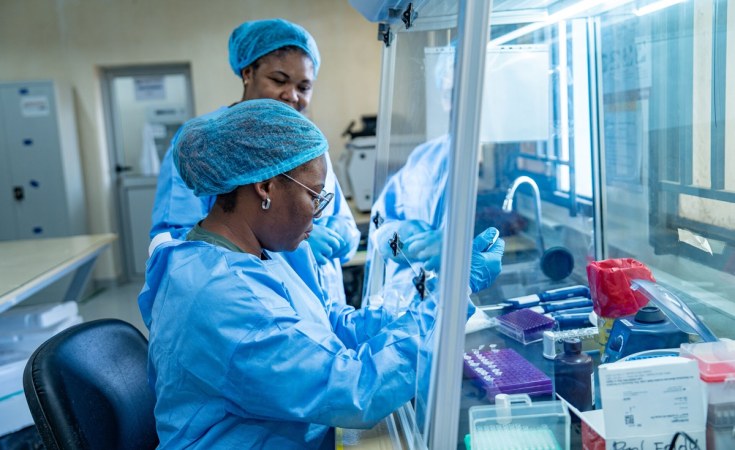
The United Nations General Assembly has officially adopted a significant political declaration, emphasizing the critical need for enhanced global cooperation to effectively prevent and respond to future pandemics. This landmark declaration received overwhelming support with 153 votes in favour, though the United States, Israel, and Argentina voted against the text, while New Zealand and Paraguay abstained. Rwanda, alongside Armenia, co-facilitated the intricate intergovernmental negotiations, expressing pride in their role and hailing the adoption as a crucial stride towards establishing a more robust global health architecture, inherently capable of safeguarding lives from emergent pandemic threats.
The core objectives of this declaration are multifaceted and far-reaching. It seeks to fortify disease surveillance mechanisms, significantly improve emergency preparedness protocols, expand equitable access to life-saving vaccines and treatments, and mobilize sustainable financing solutions to empower countries in their response to future health emergencies. The adoption followed prior disagreements that initially prevented consensus at a high-level meeting on September 25, necessitating its consideration by the broader General Assembly.
Crucially, the declaration candidly acknowledges that despite the profound lessons gleaned from the COVID-19 pandemic and other health crises, the world remains inadequately prepared for future health emergencies. To address this, it advocates for coordinated action, meticulously guided by scientific evidence, principles of equity, unwavering respect for human rights, and robust international solidarity. While recognizing that individual nations bear the primary responsibility for the health and well-being of their populations, the text vigorously underscores the imperative for regional and international cooperation to effectively combat infectious diseases that transcend national borders.
A central and unresolved issue highlighted within the declaration is the ongoing negotiation of the Pathogen Access and Benefit-Sharing Annex to the World Health Organization (WHO) Pandemic Agreement, which was adopted by the World Health Assembly in 2025. This proposed system is designed to streamline the sharing of pathogen materials and their corresponding genetic sequence information, concurrently ensuring that countries receive a fair and equitable share of the benefits derived from their utilization, encompassing vital vaccines, treatments, and diagnostic tools. The overarching Pandemic Agreement cannot be officially opened for signature until member states successfully conclude these critical negotiations on the annex, which has historically been a significant point of contention among nations.
In response to the declaration's adoption, World Health Organization Director-General Tedros Adhanom Ghebreyesus offered a warm welcome, strongly urging governments worldwide to translate their political commitments into tangible action. He specifically emphasized the paramount importance of finalizing negotiations on the benefit-sharing framework. Ghebreyesus articulated, "This important milestone reflects a shared commitment to equity, global solidarity and collective action to make the world safer from future pandemics," further adding, "We also welcome the ambition to successfully conclude negotiations on the Pathogen Access and Benefit Sharing Annex."
The declaration also critically shines a light on the stark inequalities that were dramatically exposed by the COVID-19 pandemic, where access to essential vaccines, diagnostics, and treatments varied significantly across countries. To mitigate such disparities in the future, it calls for increased investment in local and regional research, manufacturing capabilities, and regulatory capacities, particularly within developing nations. This strategic focus aims to enhance access to affordable medical products and diminish reliance on external suppliers during times of health crises.
Furthermore, member states are strongly encouraged to bolster early-warning systems, enhance laboratory capacity, expand vaccination programmes, and improve surveillance mechanisms. This is to be achieved through a coordinated "One Health" approach, which integrates human, animal, and environmental health considerations. Financing remains a formidable challenge, with the declaration noting that existing international funding arrangements are often fragmented and insufficiently coordinated. It highlights an estimated annual pandemic preparedness financing gap of $15 billion, advocating for stronger domestic investment, increased international assistance, and improved coordination among existing global health financing mechanisms.
The text additionally emphasizes the crucial need to maintain essential health services during emergencies, including routine immunization, maternal and child healthcare, and vital mental health support. It also calls for proactive measures to counteract misinformation and disinformation, which can severely erode public confidence in health authorities and undermine effective public health responses. While the declaration establishes a significant political commitment towards strengthening pandemic preparedness, it is fundamentally not legally binding. Its ultimate implementation will hinge on the concrete actions taken by individual governments and sustained international cooperation. The General Assembly has requested a comprehensive report from the UN Secretary-General, to be prepared in consultation with the WHO and other relevant agencies, during its 83rd session, to review implementation progress and recommend further necessary actions. The adoption of this declaration marks another pivotal step in global efforts to prepare for future health emergencies, with the ongoing negotiations on pathogen access and benefit-sharing remaining central to determining how global cooperation will effectively translate into equitable access to medical countermeasures worldwide.