Global Health Alert: The Alarming Rise of Drug-Resistant Superbugs
Antimicrobial Resistance (AMR) is a growing global health crisis, significantly worsened by self-medication and antibiotic misuse in countries like Nigeria. This resistance makes common infections harder to treat, leading to increased deaths and severe social burdens. Urgent action through public awareness, strict regulation, and responsible use is critical to preserve the effectiveness of antibiotics for future medical care.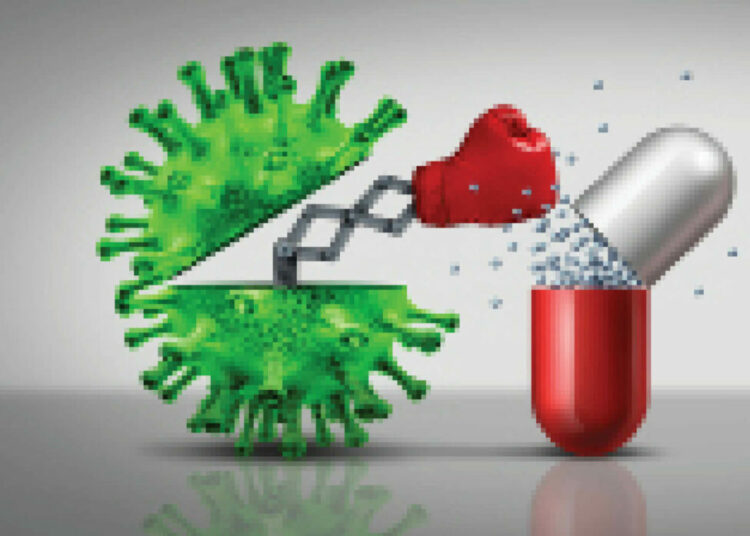
A silent crisis, Antimicrobial Resistance (AMR), is emerging as one of the world’s greatest health threats, largely fueled by the widespread culture of self-medication, particularly with antibiotics. Many individuals mistakenly use antibiotics for conditions they cannot treat, such as headaches, malaria, or common colds. AMR occurs when bacteria, viruses, fungi, or parasites develop resistance to the drugs designed to eliminate them, causing simple infections to become stronger, last longer, and pose significantly greater dangers. The World Health Organization (WHO, 2024) reports that globally, one in six bacterial infections can no longer be effectively treated with existing antibiotics, signaling that the age of “superbugs” is a present reality, not a distant fear.
In Nigeria, the issue of antimicrobial resistance is deeply entrenched. The Nigeria Centre for Disease Control and Prevention (NCDC) has repeatedly cautioned against the misuse of antibiotics, which exacerbates resistance. Across both urban clinics in Lagos and rural chemist shops in Bauchi, common patterns include over-the-counter antibiotic sales without prescription, incomplete treatment doses, and the circulation of counterfeit medications. These practices have led to a troubling situation where infections like typhoid, urinary tract infections, and pneumonia are increasingly difficult and more expensive to treat.
The global impact of AMR is stark. A Lancet study in 2022 estimated that antimicrobial resistance is directly responsible for 1.27 million deaths annually worldwide, with sub-Saharan Africa bearing a disproportionately high burden. Nigerian hospitals are experiencing this firsthand, with doctors observing infections that once responded readily to common antibiotics like amoxicillin or ciprofloxacin now requiring stronger, costlier, or intravenous drugs, if viable options remain at all.
The problem extends beyond clinical settings into everyday life. In homes, farms, and markets, antibiotics are misused in ways that quietly foster resistance. Farmers, for instance, often incorporate antibiotics into livestock feed to promote growth or prevent disease, frequently without proper veterinary oversight. These drugs can then permeate the food chain, allowing resistant bacteria to spread through meat, soil, and water. Furthermore, the prevalence of fake or substandard antibiotics, which fail to fully eradicate infections, only compounds the crisis.
Beyond its medical implications, AMR carries significant mental and social burdens. The emotional distress of prolonged illness, the necessity of repeated hospital visits, and the financial strain from expensive treatments take a severe toll on families. Imagine the anguish of a parent whose child’s infection resists every prescribed antibiotic, or a worker losing weeks of income due to a wound that refuses to heal. These experiences inflict non-physical scars, draining both emotional resilience and economic stability.
Turning the tide against AMR requires a multi-faceted approach. The first crucial step is heightened public awareness. Many Nigerians still mistakenly believe antibiotics are universal cure-alls for any ailment, despite their efficacy being limited strictly to bacterial infections, not viral illnesses like colds or flu. Combating this misconception demands consistent public education efforts, particularly at community and pharmacy levels.
Secondly, there is an urgent need for stronger regulation and rigorous enforcement. The unhindered sale of antibiotics without a doctor's prescription must be curbed. Pharmacies, patent medicine stores, and unlicensed vendors require stringent monitoring. Government agencies such as NAFDAC and NCDC must ensure the circulation of only quality-assured antibiotics and enforce compliance with proper dispensing regulations in pharmacies. Within hospitals, antibiotic stewardship programs are vital, guiding doctors to prescribe antibiotics only when truly necessary, at the correct dose, for the appropriate duration, and with the right drug. Improved laboratory capacity is also paramount, as informed prescribing depends on accurate identification of the causative bacteria.
Globally, AMR threatens to undermine decades of medical advancements. Routine procedures like surgeries, childbirth, cancer chemotherapy, and organ transplants, all of which rely on effective antibiotics for patient safety, could become life-threatening without them. Despite the grim outlook, hope remains. Countries like Ghana and Kenya are actively implementing national AMR action plans, complete with surveillance systems and public education initiatives. Nigeria has embarked on similar endeavors, but these efforts need significant scaling up, especially at local government levels where awareness is often lowest.
Ultimately, the fight against antimicrobial resistance is a collective responsibility, starting with each individual. It is imperative to stop purchasing antibiotics without a prescription, to complete all prescribed doses, and to refrain from sharing leftover medications. When illness strikes, seeking professional medical guidance instead of self-medicating is crucial. When antibiotics lose their effectiveness, everyone suffers. The urge to use an antibiotic impulsively must be resisted. The battle against antimicrobial resistance is not merely a medical challenge; it is a moral imperative that calls upon each of us to act responsibly, transcend the culture of self-medication, and safeguard the efficacy of antibiotics for future generations. The simple truth is that misusing these vital drugs today makes tomorrow’s illnesses harder to cure.