Ghana's 'Fugu' Fashion Uproar: MPs Back Culture Amid Zambia Row, Mahama Fuels Sales Boom
The fugu, or batakari, has transcended its traditional role to become a symbol of cultural pride and economic potential in Ghana. Sparked by President John Dramani Mahama's Fugu-clad state visit to Zambia, the garment's resurgence has ignited widespread social media solidarity and even inspired Members of Parliament to proudly wear smocks in the chamber. This powerful trend now presents a unique opportunity to drive local demand, create jobs, and foster a thriving indigenous industry.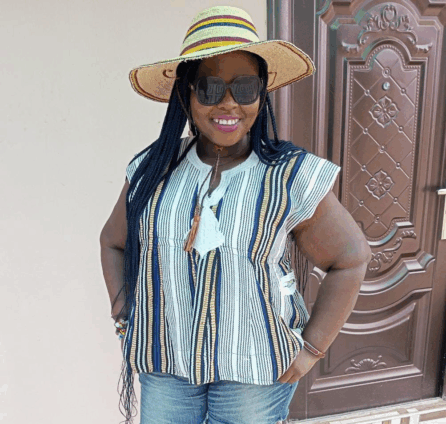
For centuries, the fugu, also known as batakari, held a revered place in Ghanaian culture, reserved primarily for significant events like festivals, funerals, and special occasions. However, recent events have propelled this traditional smock back into the spotlight, transforming it into a widely worn, debated, and reclaimed symbol of both culture and conversation.
The catalyst for this resurgence was President John Dramani Mahama’s Fugu-clad state visit to Zambia. What began as a social media spark, initially drawing a mix of praise, criticism, and viral commentary, quickly ignited something far larger than mere politics. In response to online discussions, particularly in Zambia where the attire was initially met with misunderstanding and even mockery, Ghanaians rallied with immense pride. They took to social media, posting their own smock photos accompanied by relevant hashtags, creative edits, and spirited solidarity, making batakari suddenly ubiquitous across timelines, workplaces, and various social gatherings.
This powerful wave of cultural pride soon extended to the highest echelons of government. On Friday, February 6, dozens of Members of Parliament (MPs) transformed the parliamentary chamber into a vibrant display of Ghanaian heritage. Arriving in popular traditional smocks, particularly on the Majority side, they made a bold cultural statement in solidarity with President Mahama. The moment garnered widespread admiration, especially when the NDC MP for Salaga South, Zuwera Ibrahima Mohammed, entered fully dressed in a smock, earning smiles, nods, and applause from her colleagues.
Speaking to JoyNews’ Kwaku Asante, MP for Afadjato South, Frank Afriyie, articulated that the initial backlash against the President’s attire stemmed from ignorance. He emphasized the importance of cultural identity, stating, “Every cultural setting has its unique way of dressing. Indians, East Asians, Africans, we must be defined by our unique identity.” Similarly, Philip Fiifi Buckman, MP for Kwesimintsim, viewed the situation as an opportunity rather than an insult, suggesting it was a matter of “branding” that could potentially open new markets for Ghanaian smock weavers internationally. MP for Madina, Francis-Xavier Sosu, expressed his inspiration by the President’s dressing, proudly wearing his fugu in solidarity to showcase its beauty to the world. Zuwera Ibrahima Mohammed further advocated for cultural self-promotion, urging Ghanaians to embrace and promote their local culture globally, noting that “No one can sell you better than yourself.”
Beyond its cultural significance, this trend holds substantial potential for real economic gains, provided the nation moves from mere admiration to intentional support. Increased visibility drives demand; with fugu becoming