Ghana Braces for Fuel Shockwave As Middle East Tensions Threaten National Energy Security
Ghana's fuel security is under scrutiny as the National Petroleum Authority assures ample stock, while COPEC warns that private ownership of reserves leaves consumers vulnerable to rising pump prices due to Middle East tensions. Global crude prices have surged, prompting predictions of higher local fuel costs and a call for state-controlled strategic reserves.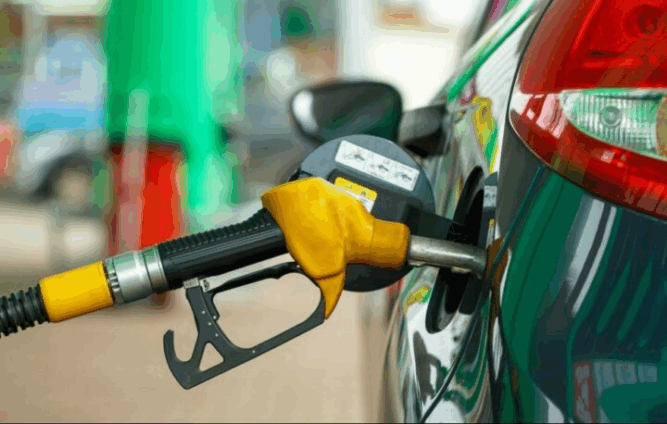
The National Petroleum Authority (NPA) has offered reassurances that Ghana possesses sufficient fuel stock to meet national demand for several weeks, with petrol reserves projected to last nearly seven weeks and diesel for over five weeks.
This declaration was made by Abass Ibrahim Tasunti, Director of Economic Regulation and Planning at the NPA, during an appearance on JoyNews' The Probe on Sunday, March 1.
Mr. Tasunti detailed ongoing measures to ensure continuous supply, including daily import discharges, consistent production from the Sentuo Oil Refinery (operational since June 2025), and LPG production from the Atuabo gas processing plant.
He said that these efforts are part of the NPA's regular mandate to maintain fuel availability, not merely a reaction to the current global situation, he also noted that several vessels carrying diesel and petrol cargoes are awaiting discharge at the Tema anchorage.
However, Duncan Amoah, Executive Director of the Chamber of Petroleum Consumers (COPEC), expressed significant reservations about the NPA's assurances.
While acknowledging the reported stock levels, Mr. Amoah critically highlighted that the vast majority of these fuel reserves are owned by private entities, specifically Bulk Distribution Companies (BDCs), rather than constituting a strategic state-controlled reserve.
"The truth of this is that you are dealing with private capital," he explained, asserting that the state lacks the power to control the pricing or distribution decisions of these privately held stocks, especially during periods of global instability.
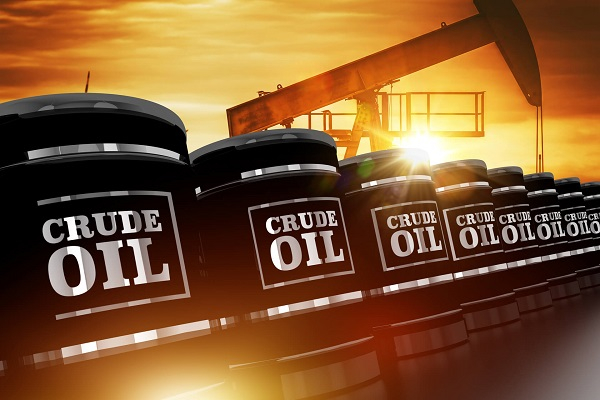
Mr. Amoah also revealed that private traders would inevitably factor in global market dynamics and potential supply chain disruptions into their pricing decisions for current and future cargoes.
Also citing the escalating hostilities in the Middle East, which have already led to a surge in global crude prices past $91 per barrel following the blockade of the Strait of Hormuz.
The Strait of Hormuz is a critical transit route for a significant portion of the world's oil supply.
This price spike, representing over a 30% jump from the previous $67–69 range in just 24 hours, indicates that if the conflict persists, crude oil could reach $100 per barrel.
Consumers of fuel based product in Ghana should anticipate local pump prices to rise beyond earlier projections, which might be potentially exceeding the 1-3% increase initially forecast by COPEC and COMAS for the start of March.
COPEC's chief argued that Ghana's dependence entirely on privately held stocks, coupled with the absence of true strategic national reserves, leaves the country vulnerable to external shocks and the profit-driven decisions of traders.
He urged for a national dialogue aimed at establishing genuine strategic reserves, which would afford the state greater control over fuel security and pricing during emergencies.
The broader implications of the escalating Israel–Iran–US tensions for Ghana's energy security and economic stability were also slated for critical examination on "The Probe," with discussions covering geopolitical risks, fuel price impacts, and economic repercussions.