Getting a PVC Is Important, But Will It Truly Change Nigeria?
Getting a PVC is just the beginning—but is it really enough to change Nigeria? Between hope, doubt, and calls for accountability, the real question is whether citizens are ready to stay involved beyond election day.
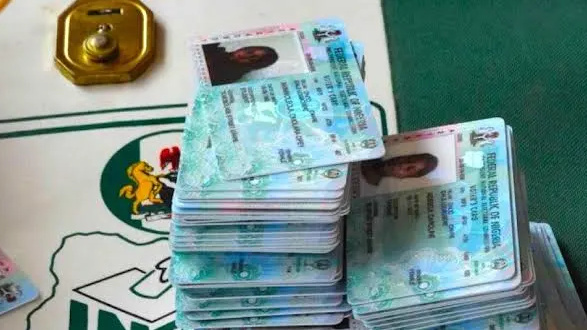
For years, pastors, community leaders, activists, and civil society organizations have encouraged Nigerians to obtain their Permanent Voter Cards (PVCs) and participate in elections.
Their message has often been clear and hopeful: if citizens vote wisely and elect competent leaders, Nigeria can move toward a better future.
From church pulpits to social media campaigns, millions of Nigerians have been reminded that their votes are their voices and that democracy works best when people actively participate.
Yet, despite these efforts, many Nigerians remain unconvinced, and the reason is not difficult to understand.
Over the years, citizens have witnessed repeated promises of change, only to face the same challenges after elections.
Corruption continues to make headlines, insecurity remains a major concern, unemployment affects millions of young people, and the rising cost of living has placed enormous pressure on ordinary families.
For many voters, the gap between political promises and everyday reality has created frustration and doubt.
Questions about vote-buying, election irregularities, and the influence of powerful political interests have further fueled skepticism.
Some citizens wonder whether their votes truly count or whether the outcome of elections is already determined by forces beyond their control.
Others point to past elections where expectations for transformation were high, yet the desired changes failed to materialize.
As Nigeria moves closer to another election cycle, an important debate continues to emerge across homes, workplaces, religious gatherings, and online platforms.
Is obtaining a PVC enough to change Nigeria, or does real change require much more than simply casting a vote?
While voting remains a fundamental part of democracy, many Nigerians are beginning to ask whether deeper reforms, stronger institutions, and greater accountability are necessary before the country can achieve the progress that citizens have long hoped for.
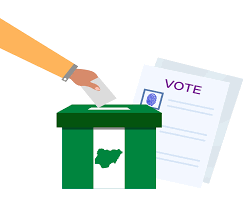
The Power of the Vote: Why PVCs Still Matter
For many Nigerians, a Permanent Voter Card (PVC) is more than just a piece of plastic—it represents the right to have a say in the future of the country.
Every election affects people's daily lives, from the cost of food in the market to the quality of roads, schools, healthcare, electricity, and security.
When citizens vote, they are helping to decide who will make the policies and decisions that shape these realities.
It is understandable why some people feel discouraged, and years of political promises, economic hardship, and concerns about election credibility have led many Nigerians to question whether their votes truly matter.
Some believe that the system is too flawed for one vote to make a difference, and however, history has shown that change is rarely possible when citizens completely withdraw from the democratic process.

When people choose not to vote, they leave important decisions in the hands of a smaller group of voters, allowing others to determine the country's direction.
A PVC gives citizens the opportunity to reward leaders who have performed well and reject those who have failed to meet public expectations.
It serves as one of the most powerful tools ordinary people possess in a democracy. While a single vote may seem insignificant, millions of individual votes combined can influence the outcome of an election and send a clear message about the kind of leadership Nigerians want.
Voting does more than choose leaders—it strengthens democracy by reminding politicians that they are accountable to the people.
When more citizens participate, leaders are more likely to pay attention to public concerns and work toward better governance.
While a PVC alone cannot solve Nigeria's challenges, it is an important first step, and real change requires citizens to stay engaged before and after elections.
In the end, voting remains one of the most powerful ways for Nigerians to make their voices heard and influence the country's future.
Corruption and Electoral Challenges
One of the biggest reasons many Nigerians are skeptical about elections is the long-standing concern over corruption and electoral malpractice.
While elections are meant to reflect the will of the people, allegations of vote-buying, voter intimidation, ballot manipulation, and the influence of powerful political interests have often raised questions about the credibility of the process.
As a result, some citizens feel discouraged and begin to wonder whether their votes truly matter.
For many Nigerians, the issue goes beyond what happens on election day. It is also about the trustworthiness of the institutions responsible for conducting elections and ensuring that every vote counts.
When people hear reports of irregularities or witness political actors attempting to influence outcomes unfairly, confidence in the democratic process can weaken.
This loss of trust can lead to voter apathy, with many choosing to stay home because they believe the outcome will not reflect the wishes of ordinary citizens.
Another major concern is vote-buying, and with many Nigerians facing economic hardship, some voters may be tempted to exchange their votes for money or gifts.
While this may offer short-term relief, it weakens democracy by rewarding politicians for buying support instead of delivering good leadership and policies.
Despite these concerns, many Nigerians believe the solution is not to abandon elections but to demand greater transparency, stronger reforms, and stricter enforcement of electoral laws, so that public trust can only grow when elections are free, fair, and credible.
Ultimately, democracy depends on trust. When citizens believe their votes count, they are more likely to participate and hold leaders accountable.
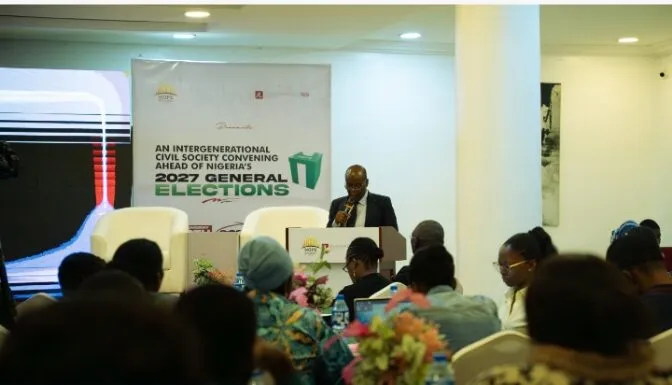
Beyond Voting: The Need for Accountability
Voting is important, but real change does not end on election day, and citizens must continue to hold leaders accountable by paying attention to government actions, asking questions, and demanding that campaign promises are fulfilled.
Accountability also means speaking out against poor governance, corruption, and insecurity.
Strong institutions, a free press, and active citizens help ensure that leaders serve the public interest.
For example, during a church service, my pastor encouraged members of the congregation to take their civic responsibility seriously.
He said, “Get your PVC and vote for the right leader. Don't stay at home expecting change while others make decisions about the country's future.
Real change begins when citizens take action. If you refuse to participate, don't complain when things don't improve. Go out and vote, and let your conscience be clear that you played your part.”
He also urged members to verify their voter registration details, saying, “Make sure you visit your polling unit and confirm that your name is on the voters' register so you can collect your PVC. Don't assume everything is in order.
If you fail to participate in the electoral process, you leave important decisions to others. Every eligible citizen should ensure they are properly registered and prepared to vote when the time comes.”
His message reflected a belief shared by many religious and community leaders, that meaningful change requires citizens to move beyond complaints and actively participate in the democratic process.
Ultimately, a PVC can help elect leaders, but lasting change requires citizens to remain engaged and hold those in power responsible for their actions.
Conclusion
Getting a PVC is an important step, but it is not enough on its own to transform Nigeria, and many citizens still have genuine concerns about corruption, election credibility, and whether their votes truly count.
Yet choosing not to participate only gives others the power to decide the country's future.
Real change requires more than casting a vote, it requires citizens to stay involved, demand accountability, and hold leaders responsible for their promises.
In the end, Nigeria's future will not be shaped by politicians alone, but by the willingness of both leaders and citizens to work toward a better, fairer, and more prosperous nation.