FashionLore: The Neck Rings of South Africa and the Myth of the "African Long Neck"
The “African long neck” is a myth. Learn how Ndebele neck rings in South Africa differ from the Kayan brass coils of Myanmar.
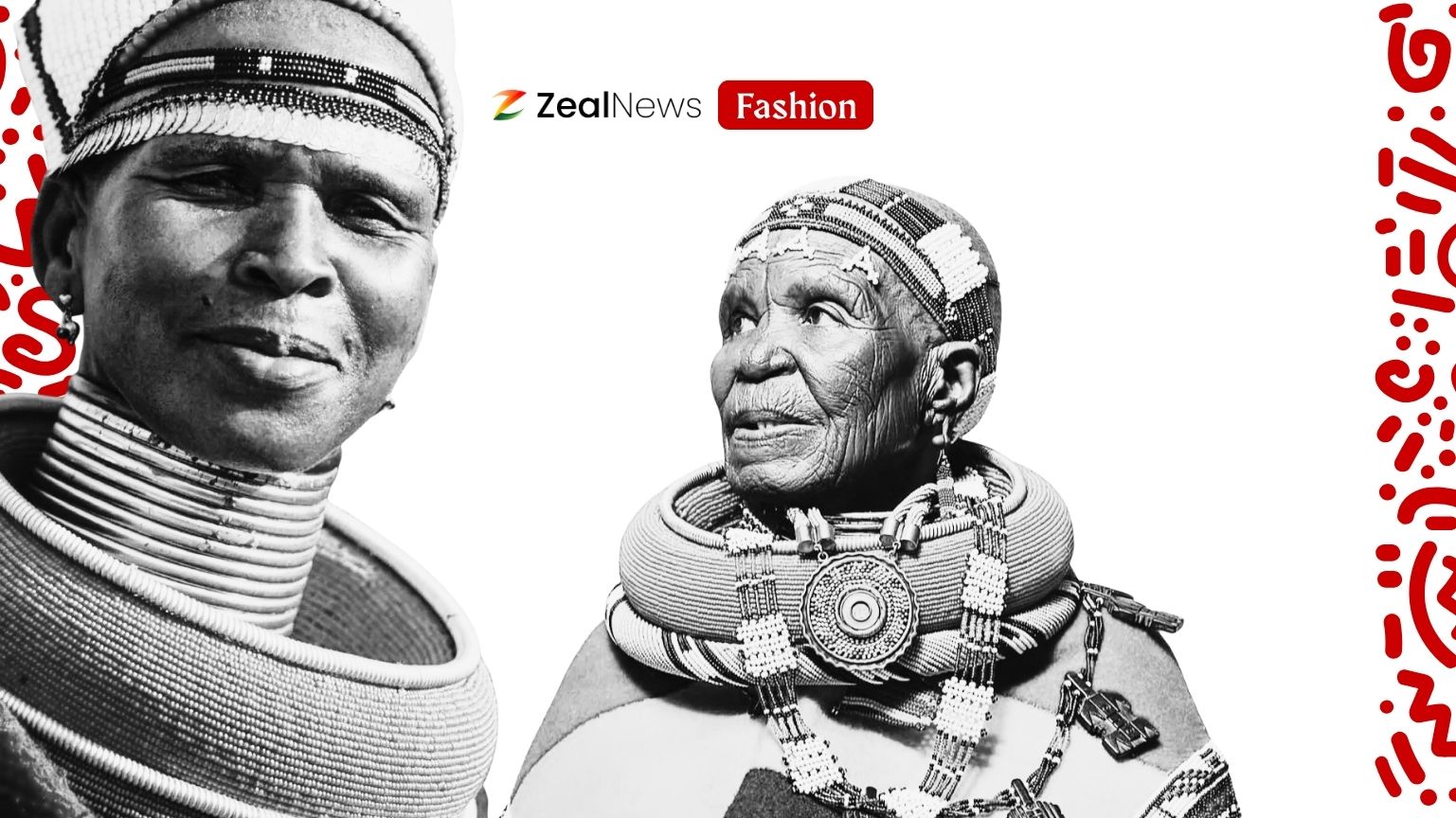
Type "African long neck" into a search bar and the images that pop up often show women from Myanmar and not the continent.
This single mix-up has shaped how many people picture African fashion and it is wrong. Africa has its own celebrated neck ring tradition, but it looks different, means something different and does something very different to the body.
Is the Long Neck Tradition African?
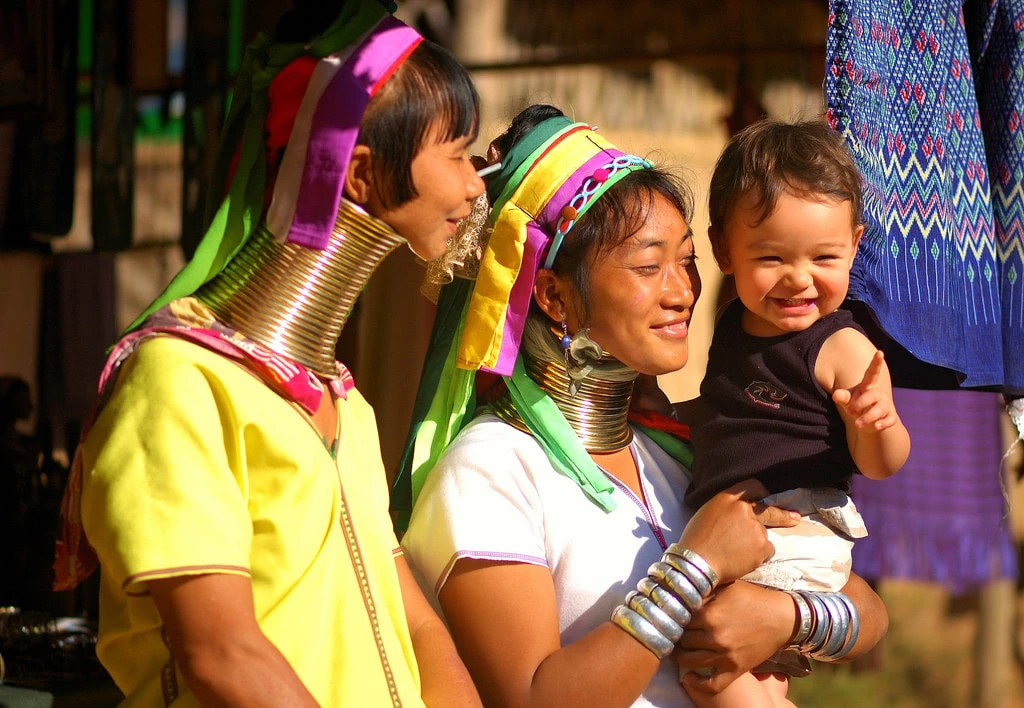
The elongated neck look belongs to the Kayan women of Myanmar and not to any community in Africa. The confusion exists because South Africa has a well-known neck ring tradition of its own and it is worn by Ndebele women.
Both traditions involve the use of metal around the neck, so they get blended into one false story about an "African long neck." The two traditions differ in origin, meaning and physical effect and treating them as one erases both.
Ndebele Neck Rings: A Symbol of Marriage and Status
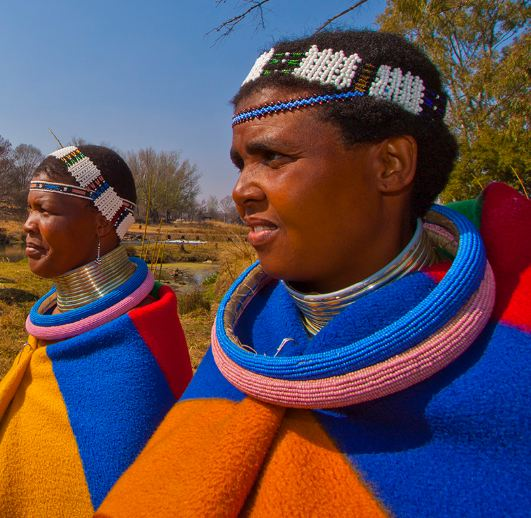
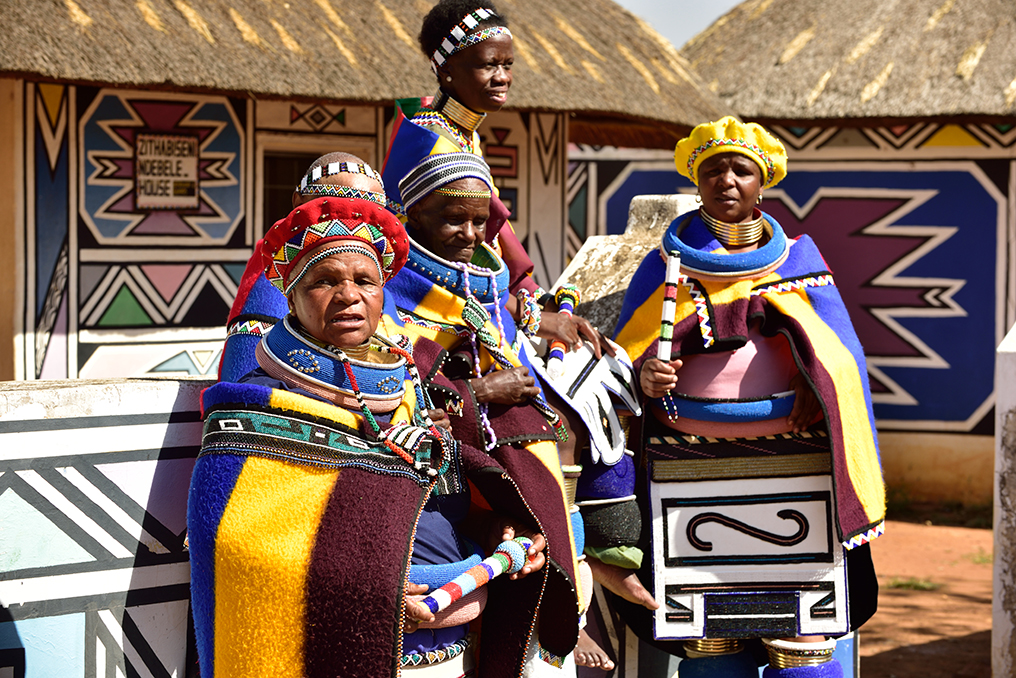
Ndebele neck rings, known as idzila, are worn by married women and women of standing in the community.
Traditionally, a woman received the rings from her husband after marriage. This is used to signal her loyalty, place in the household and the family's wealth. Some women wore them for years and tradition holds that they were removed only after the husband's death.
The rings are symbolic and ornamental. They belong to a wider visual outlook that includes beaded aprons, arm and leg hoops, and the bold geometric house paintings that made Ndebele art famous across the world.
The rings rest around the neck and add visual height but they are not meant to alter the skeleton. Today, many Ndebele women wear them mainly for weddings, heritage events and cultural festivals as a proud marker of identity.
Who Are the Kayan Women of Myanmar?
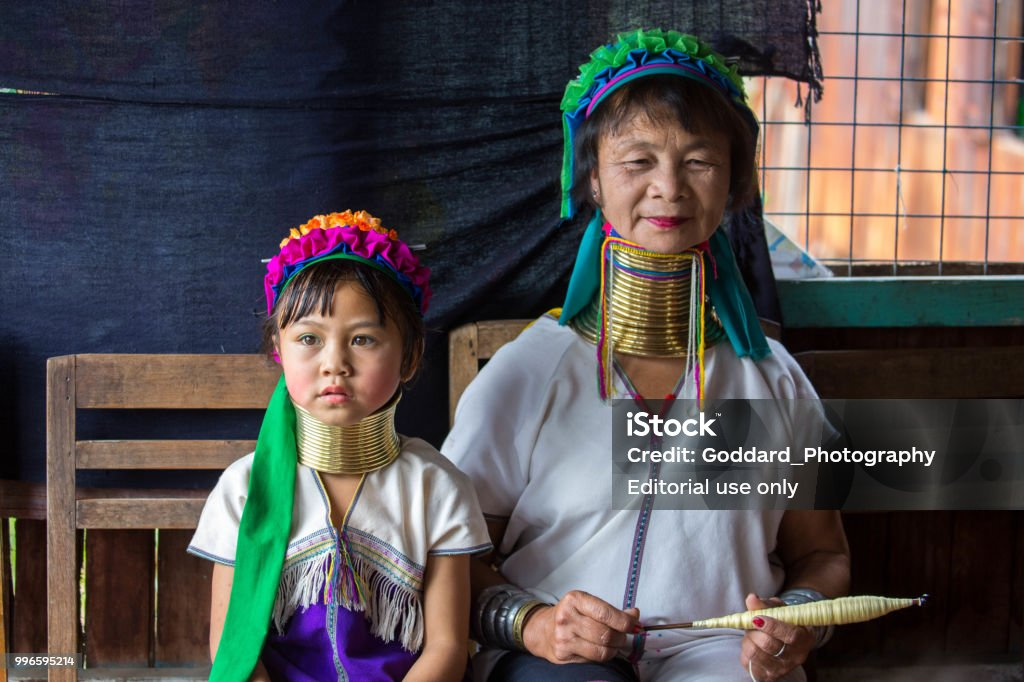
The Kayan people are a subgroup of the Karenni and they come from Kayah State in Myanmar. Their communities also spill across the border in northern Thailand.
The women known for the brass coils are the Kayan Lahwi. For them, the coil is a rite of womanhood and not a badge of marriage.
Girls are fitted with their first coil from early childhood, sometimes as young as two, and more turns are added as they grow.
The coils are made of brass and a full set can weigh several kilogrammes. Beyond beauty, they stand for ancestry, belonging and cultural pride. Oral explanations vary, from protection against tiger attacks to a link with a mythical dragon ancestor.
How Brass Coils Create the Illusion of a Long Neck

The neck does not actually stretch. The weight of the coils presses down on the collarbones and upper ribs over years, pushing the clavicles lower and deforming the shoulder line.

With the shoulders pushed down, the neck appears much longer than it is. This is why the process begins young, while the body is still developing and easier to shape.
As a girl grows, her coil is replaced with a longer one to deepen the effect. The look is a skeletal illusion and that is the sharpest difference from Ndebele rings.
The popular claim that a Kayan woman's neck would snap without her coils is also a myth, though long years under the weight can leave the neck muscles weaker.
Why the African Long Neck Myth Persists
Tourism and careless captions keep the mix-up alive. Stock photo libraries and "African tribes" listicles often label Kayan women as African and the habit of treating Africa as one culture does the rest.
In northern Thailand, Kayan villages became tourist attractions, which brought income but also sparked debate about dignity and choice, especially since many families arrived as refugees from conflict in Myanmar. Meanwhile, Ndebele women, whose tradition is truly African, are rarely credited with their own story.
Ndebele vs Kayan Neck Rings: Key Differences
Ndebele neck rings come from South Africa and are worn by married women and women of status. The neck rings are symbolic and ornamental.
Kayan coils come from Myanmar and are worn from childhood as a rite of womanhood. It visually elongates the neck by pressing down the clavicles.
One marks a social position, the other marks a stage of becoming a woman. Both are expressions of beauty and identity, and neither is a fashion trend to be flattened.
Why Getting African Fashion History Right Matters
African fashion history deserves accuracy. Ndebele neck rings are part of a living South African heritage, tied to marriage, status and artistry, and they should be celebrated on their own terms.
Kayan women deserve the same respect, with their tradition named correctly and located in Myanmar.
Before sharing an image of a woman in neck coils, check where she is from and what the adornment means.
Correcting one wrong caption may seem small but it protects the culture of two communities and keeps the story of African fashion honest.