Explosive Revelations: Obasanjo Slams INEC, Judiciary as 'Court of Corruption' in New Book
Former President Olusegun Obasanjo sharply criticizes the Nigerian judiciary in his new book, stating it's "deeply compromised" and has become a "court of corruption." He also accuses INEC chairman Mahmood Yakubu of undermining the electoral process and alleges that former President Muhammadu Buhari colluded with judges during his election cases, illustrating a systemic decline in justice and electoral integrity.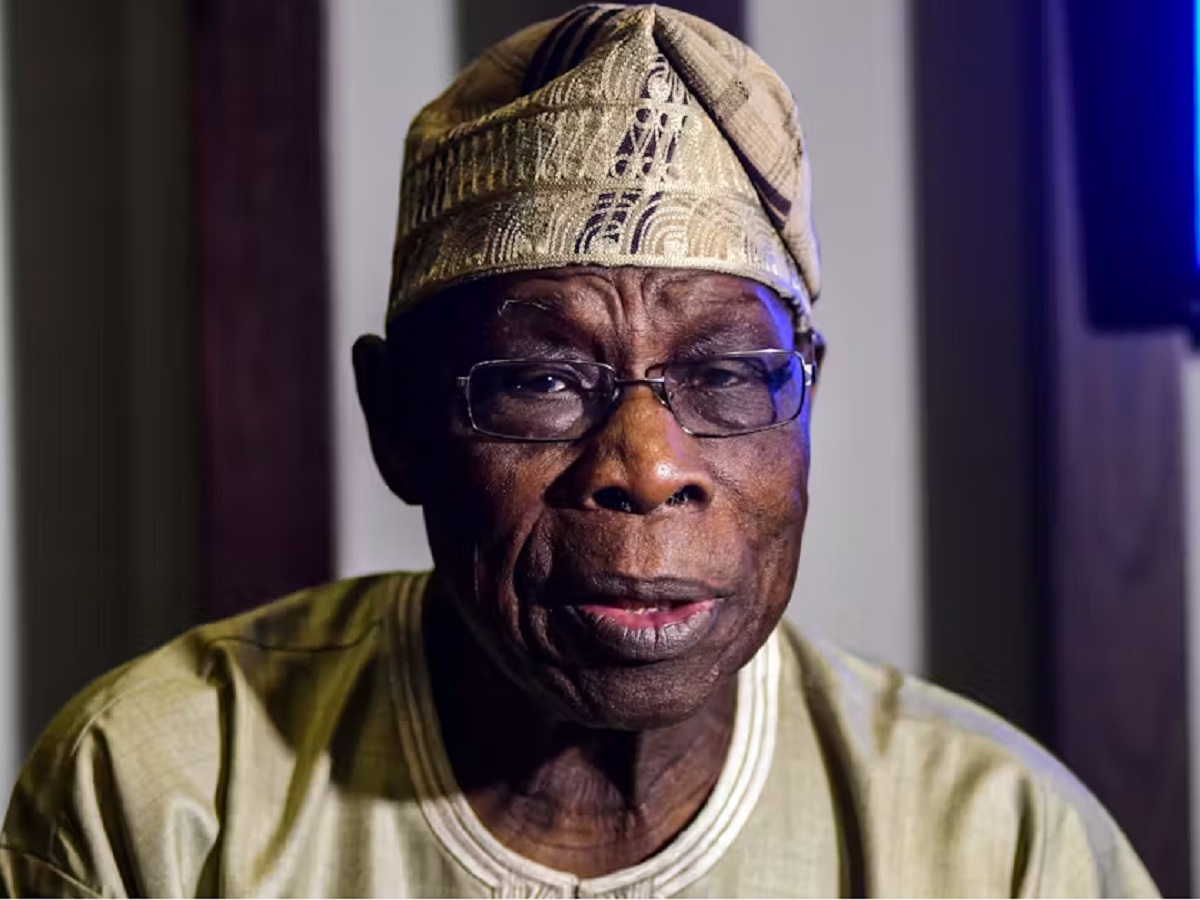
Former Nigerian President Olusegun Obasanjo has delivered a scathing critique of the nation's judiciary, asserting in his new book, "Nigeria: Past and Future," that it has become "deeply compromised." Obasanjo laments that corruption among judges has transformed the courts into "a court of corruption rather than a court of justice," signaling a dire decline in integrity. He specifically highlights the rapid and precipitous fall of the Nigerian judiciary's reputation, particularly throughout the Fourth Republic, describing it as lamentable. This decline, according to Obasanjo, has led to the commodification of justice in Nigeria, where the judicial system's integrity is steadily eroding.
Obasanjo's concerns extend to the potential threat this judicial degradation poses to Nigeria's national stability. To underscore the pervasive nature of corruption, he recounted a specific incident where a state governor allegedly showed him six duplex buildings acquired by a judge, supposedly from illicit gains made while serving as chairman of election tribunals. This anecdote serves as a stark illustration of the profound depth of corruption Obasanjo perceives within the judiciary.
Beyond the judiciary, the former president also leveled serious accusations against Mahmood Yakubu, the chairman of the Independent National Electoral Commission (INEC). Obasanjo contends that Yakubu has actively undermined the electoral process since 2015, making his personal will more influential than the will of the Nigerian people. He suggests that politicians have lost confidence in elections due to the perceived pollution and gross undermining of the process by INEC under Yakubu's leadership, reducing elections to a mere charade. This situation, Obasanjo argues, leads politicians to believe that the outcomes of election disputes are primarily determined by the discretion of tribunal judges, Court of Appeal judges, and Supreme Court judges, rather than the true popular mandate.
Furthermore, Obasanjo made a direct accusation against the late former President Muhammadu Buhari, alleging collusion with the judiciary during his own election cases. He claimed that Buhari disregarded ethical boundaries, and that judges who ruled in his favor were rewarded financially and with appointments, irrespective of their age or ranks. This assertion paints a picture of a system where judicial decisions in electoral matters were allegedly influenced by political patronage and incentives, further eroding public trust in the independence and impartiality of the Nigerian legal system.