Europe's Economic Balancing Act: Navigating Growth, Weaknesses, and Global Shifts
Explore the forces driving and hindering Europe's economic growth, from the strength of its single market and key industries to the challenges of inflation, geopolitical tensions, and demographic shifts.
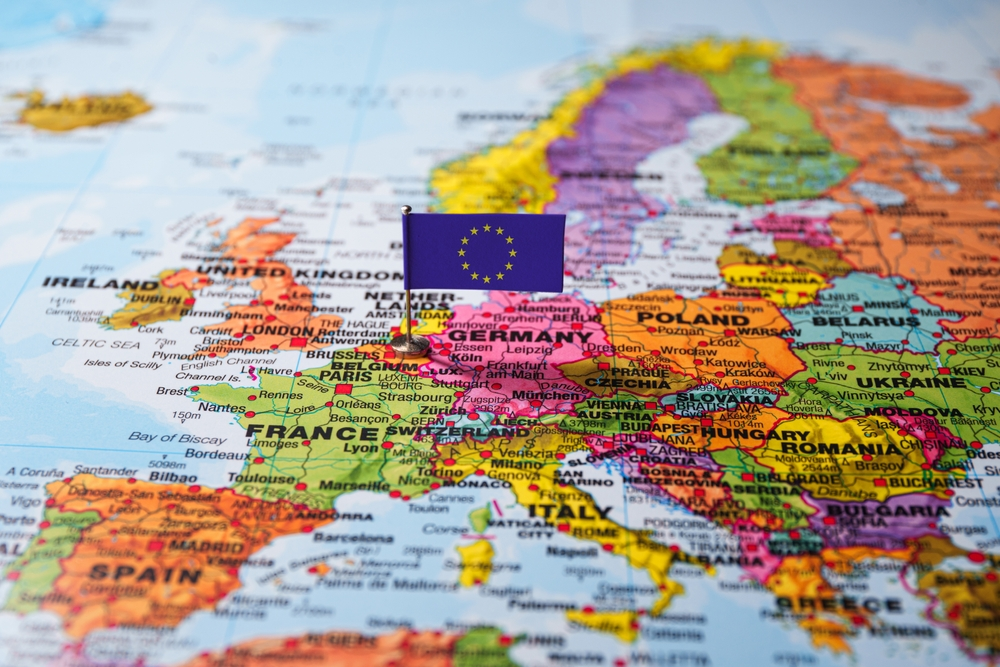
The European economy, a major global player, is currently navigating a delicate balancing act. It possesses significant strengths, like its robust single market and innovation in advanced manufacturing.
However, it is also grappling with vulnerabilities that threaten its long-term prosperity, including persistent inflation, the lingering impacts of energy crises, and complex geopolitical shifts.
The continent is engaged in an ongoing effort to adapt to a rapidly changing global landscape, a challenge that will define its economic future.
Drivers of Economic Growth
The European economy's main drivers of growth are multifaceted and deeply intertwined with its political project. At its core is the European Union's single market, which allows for the free movement of goods, services, capital, and people.
This integration creates a vast, unified market that is a powerful engine for trade and competition. It fosters economies of scale for businesses and provides consumers with an unprecedented range of choices.
Europe is one of the world's largest trading blocs, with Germany, France, and other major players leading in both exports and imports, solidifying its role in global supply chains.
The success of this single market is often cited as the primary reason for the bloc's economic resilience, as it provides a stable and predictable environment for investment and commerce.
Innovation and technology also play a crucial role. Europe has a strong track record in high-tech manufacturing and is a leader in certain green technologies.
Countries like Germany, with their world-renowned engineering prowess, continue to dominate sectors such as automotive manufacturing and industrial machinery.
At the same time, the European Green Deal is a landmark policy initiative that is actively transforming the economy by investing in clean technologies and sustainable infrastructure.

SOURCE: European Commission
For instance, it has helped push the share of renewable energy in the EU's gross final energy consumption to nearly 24.5% by 2023, attracting significant private investment into wind, solar, and hydrogen projects.
The Digital Decade, another major policy initiative, aims to boost digital skills and infrastructure, creating new growth sectors in areas like AI, cybersecurity, and cloud computing, which in turn enhances productivity across all industries.
Major Challenges and Vulnerabilities
Despite its strengths, the European economy faces several significant vulnerabilities. Persistent inflation is a major headwind, eroding purchasing power and creating uncertainty for both consumers and businesses.

SOURCE: Google
While inflation has cooled from its 2022 peak, it remains a persistent challenge for the European Central Bank.
The lingering impacts of the energy crisis, fueled by geopolitical tensions, have driven up production costs for energy-intensive industries, reducing their competitiveness on the global stage.
Europe's heavy reliance on external energy sources remains a structural weakness, though recent data indicates that energy inflation has eased, averaging -2.5% year-on-year in July 2025.
This volatility has forced businesses to re-evaluate long-term investment strategies and has directly impacted their profitability.
The continent also faces significant demographic challenges. A rapidly aging population and declining birth rates are leading to a shrinking working-age population.
Projections from Eurostat show that the EU's population is expected to peak in 2026 and then begin a gradual decline.
Furthermore, the share of the working-age population (15-64 years old) is projected to decrease significantly by 2100, placing immense pressure on pension systems and healthcare services.
The ratio of retirees to active workers is set to worsen, threatening the long-term sustainability of social security systems.
This demographic shift threatens to hamper long-term economic growth unless it is offset by significant gains in productivity or targeted immigration policies to fill labor shortages.
Resilient vs. Stagnant Sectors
While some sectors are demonstrating resilience and growth, others are facing significant headwinds.

SOURCE: Eurostat
High-tech manufacturing, particularly in areas like automotive, machinery, and specialty chemicals, has shown resilience by adapting to new technologies and global demand.
Companies within these sectors have invested in automation and R&D to maintain their competitive edge.
The clean energy sector is also a key growth area, with substantial investment flowing into renewable energy projects, smart grids, and green technologies.
The services sector, particularly in technology, finance, and tourism, continues to be a major contributor to economic output, driven by strong private consumption and innovation in fintech and digital services.
Conversely, some sectors are facing stagnation. Traditional, energy-intensive manufacturing industries, such as steel, cement, and glass, are struggling with high energy costs that make them less competitive against producers in regions with cheaper energy.
These industries are crucial employers, and their decline poses a risk to regional economies.
Agriculture, while a foundational sector, faces challenges from climate change and global competition, with farmers across the continent protesting against what they see as restrictive regulations and rising costs.
The real estate and construction sectors have also been impacted by rising interest rates and inflation, leading to a slowdown in investment and activity.
Overall, the economic landscape is one of stark contrasts, with a clear divide between forward-looking, high-value sectors and those grappling with legacy issues and rising costs.
The Impact of Global Events
Global events, from geopolitical tensions to energy market volatility, have a profound impact on Europe's economic stability. The war in Ukraine exposed Europe's vulnerability to energy supply disruptions and sent shockwaves through energy markets.

SOURCE: CEPR
The subsequent rise in natural gas and electricity prices triggered a cost-of-living crisis and fueled inflation across the continent. This event highlighted the critical need for diversification of energy sources and a hastened move towards greater energy independence.
European nations were forced into a difficult and expensive transition away from Russian gas, a move that will have long-term economic repercussions.
Geopolitical rivalry, particularly between the United States and China, also presents challenges. While Europe aims to maintain an open trade policy, it must navigate the risk of supply chain fragmentation and trade conflicts.
The push for "strategic autonomy" in critical technologies, such as semiconductors and cybersecurity, is a direct response to these geopolitical shifts.
The European Central Bank has noted that increased geopolitical risk can negatively impact consumption and investment, adding another layer of uncertainty to the economic outlook.
Furthermore, Europe's reliance on global supply chains means that it is vulnerable to disruptions that originate far from its borders, making resilience a top priority.
Strategies for Resilience and Competitiveness
In response to these challenges, Europe is employing several strategies to enhance its economic resilience and competitiveness.
A primary focus is on deepening and completing the single market, particularly in services and digital sectors, to boost productivity and allow companies to scale more easily.
The European Commission has introduced initiatives like the Competitiveness Compass to address inefficiencies and boost innovation.
This includes efforts to create a true Capital Markets Union to provide more diversified funding for businesses and reduce their reliance on bank loans.
Investment in research and development (R&D) is also a key pillar. The EU's Horizon Europe program, valued at €93.5 billion, aims to support innovation and help close the technological gap with other global powers.

SOURCE: Google
Furthermore, Europe is investing heavily in the green and digital transitions, with a goal of becoming a global leader in both areas. This dual focus is intended to create new industries, generate high-skilled jobs, and reduce reliance on fossil fuels.
Lastly, efforts are being made to reform labor markets and improve vocational training to address the skills gaps and demographic challenges looming on the horizon.
By focusing on these core strategies, Europe is not just reacting to immediate crises but is proactively building a more robust and sustainable economic future.