Ethiopia Unleashes Digital & AI Power to Transform Tourism
Ethiopia is actively embracing digital technology and artificial intelligence to revolutionize its tourism sector, aiming to enhance visitor experiences and create economic opportunities. New policies and initiatives, including a Smart Tourism Information Center and an upcoming AI University, are driving this transformation, while the Oromia Tourism Week showcases the country's rich heritage and commitment to inclusive growth.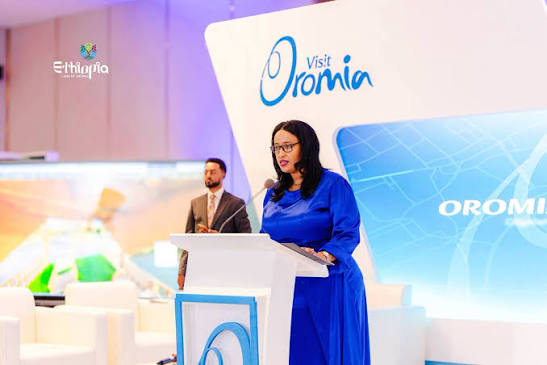
Ethiopia is proactively leveraging digital technology and artificial intelligence (AI) to unlock its vast tourism potential, enhance visitor experiences, and foster economic growth for local communities and businesses.
This strategic direction was underscored by Tourism Minister Selamawit Kassa at the launch of the 6th Oromia Tourism Week in Addis Ababa.
The government is actively driving the digital transformation of the tourism sector through comprehensive policy measures, strategic partnerships, and innovative technology-driven initiatives.
A pivotal element of this transformation is Ethiopia's new tourism policy, which came into effect this year.
This policy specifically outlines key strategies for revolutionizing the sector through the adoption of digital technology and AI.
The Minister Selamawit Kassa highlighted that AI is profoundly reshaping various facets of tourism, including how destinations are marketed, how trips are planned, the operational mechanisms of tourism businesses, the interpretation of heritage sites, and the overall visitor experience.

This was emphasizing an inclusive approach, the Minister stressed that the adoption of AI and digital technologies must be open, inclusive, and human-centered.
This ensures that the benefits of tourism are equitably distributed and not confined to a limited number of destinations or digital platforms.
Digital platforms are recognized for their crucial role in seamlessly connecting visitors with a diverse array of tourism businesses, tour operators, hotels, and other vital stakeholders within the industry.
Further demonstrating the government's commitment to digitalizing the sector, a Smart Tourism Information Center has been established at the Ministry of Tourism's headquarters.
Additionally, the forthcoming AI University in Ethiopia is poised to significantly contribute to building artificial intelligence capabilities not only within Ethiopia but also across the wider African continent, with profound potential benefits for the burgeoning tourism industry.
Ethiopia boasts incredibly diverse tourism resources, endowed with abundant natural and cultural heritage.
This includes its globally recognized status as the cradle of humanity, the birthplace of coffee, and the source of the majestic Blue Nile.

The Oromia region, as described by Selamawit, plays an integral role in Ethiopia's tourism landscape, offering a wealth of natural attractions, diverse wildlife, and rich cultural heritage, all of which present significant opportunities for local communities and businesses.
Effective tourism development, as underscored by the Minister, necessitates robust collaboration.
This involves a concerted effort among federal and regional governments, the private sector, local communities, development partners, and engagement with international markets.
For her part, Oromia Tourism Commissioner Lelise Duga noted that the Oromia Tourism Week has evolved into a vital annual platform, effectively connecting both domestic and international tourism stakeholders.
This year's Tourism Week saw the participation of representatives from over 20 countries, underscoring its growing international appeal.
The event serves as a crucial catalyst for tourism and investment, bringing together a wide spectrum of tourism professionals, tour operators, partners, and private-sector actors.

The three-day event encompasses a variety of programs, prominently featuring panel discussions that delve into critical topics such as digital tourism, artificial intelligence, and inclusive tourism.