Ethiopia Drives Africa’s Fastest-Growing Aviation Boom
Ethiopia is driving Africa’s aviation surge as Ethiopian Airlines expands rapidly, helping the continent record the fastest aviation growth rates globally.
Africa’s aviation sector is experiencing one of its fastest growth periods in decades, with passenger traffic and airline capacity expanding at double-digit rates.
Industry data shows the continent’s aviation market is growing faster than most regions globally, transforming travel, tourism, and trade opportunities across Africa.
At the center of this surge is Ethiopia, which has emerged as one of Africa’s most influential aviation hubs.
The country’s aviation market is projected to reach around 17 million airline seats in 2026, representing growth of more than 30 percent in recent years.
Much of this expansion is driven by Ethiopian Airlines, widely regarded as Africa’s largest and most successful airline.
The Addis Ababa–based carrier continues to expand its global network, connecting dozens of African cities to key destinations across Europe, Asia, and the Americas.
In March 2026 alone, Ethiopian Airlines scheduled roughly two million seats, an increase of more than 75,000 seats compared to the previous year.
Across the continent, the aviation sector is seeing similar momentum.
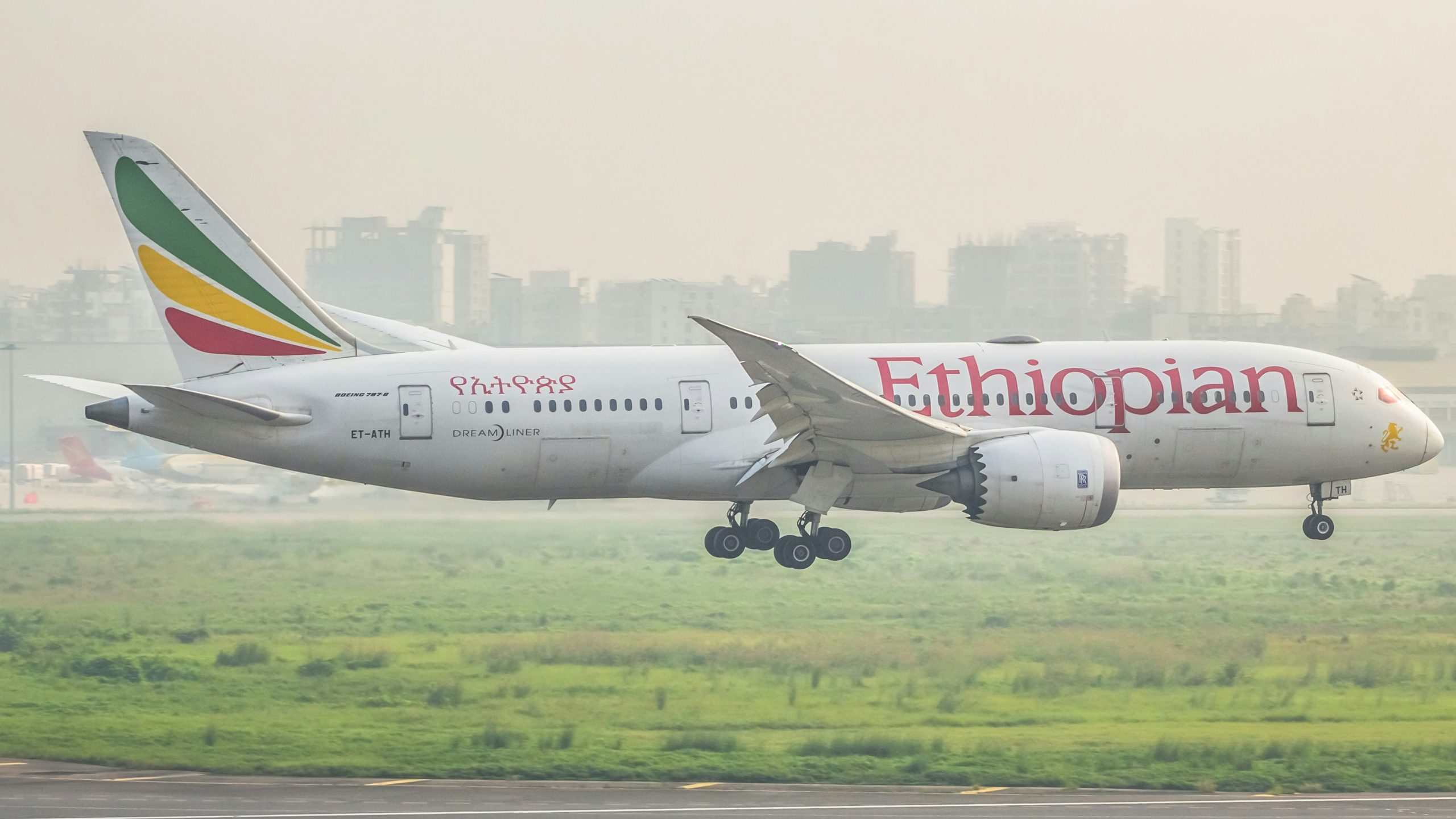
According to the International Air Transport Association (IATA), Africa’s international seat capacity has increased by 18.6 percent year-on-year, reflecting strong recovery and growing travel demand.
African airlines also recorded 11.7 percent growth in passenger numbers and an 18.2 percent increase in cargo demand at the start of 2026.
Despite this progress, Africa still accounts for only about two percent of global aviation traffic, leaving significant room for future expansion.
The rapid increase in connectivity is expected to boost tourism, business travel, and regional trade, particularly as more international routes open across the continent.
In total, 129.5 million international airline seats are expected to be available to and from Africa in 2026.
Improved air connectivity is also supporting the movement of goods and services, strengthening intra-African trade and cross-border economic activity.
Looking ahead, analysts expect the region’s aviation market to grow steadily.
Forecasts suggest Africa’s aviation industry could expand at a compound annual growth rate of about 5.8 percent through 2040, making it the third-fastest growing aviation market globally.
However, challenges remain for airlines operating across the continent.
African carriers are projected to record net profit margins of just one to two percent in 2026, well below the global industry average of 3.9 percent.
Despite these financial pressures, expanding routes and rising passenger demand continue to create new opportunities for tourism operators, airlines, and travel businesses.

For East Africa in particular, Ethiopia’s expanding hub in Addis Ababa is expected to play a pivotal role in shaping the continent’s aviation future.
As connectivity improves, industry experts believe Africa’s skies could become one of the most dynamic growth markets in global aviation.