Iran’s NDB Membership Could Deepen Ties With BRICS and Reshape Its Financing Options
Iran is reportedly set to join the New Development Bank, a move seen as a strategic step to bolster its economy and gain access to alternative development financing. This membership aims to deepen economic ties with BRICS nations, reduce dollar dependence, and strengthen Iran's position outside traditional Western financial systems amid ongoing sanctions.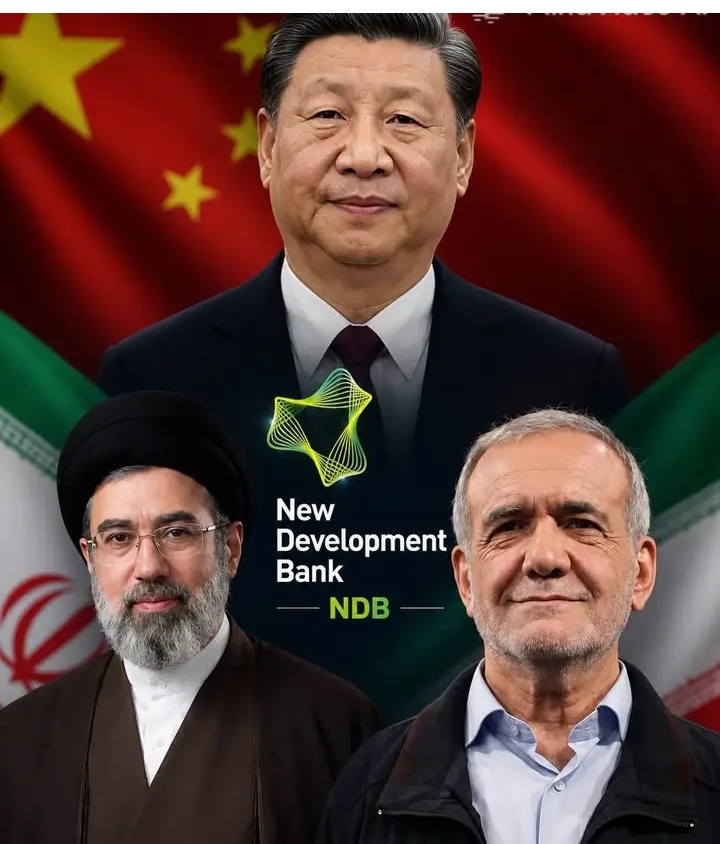
Iran is reportedly set to join the New Development Bank (NDB), the multilateral institution established by BRICS countries to finance infrastructure and development projects in emerging economies.
The move would give Tehran access to an additional source of development financing as it seeks to strengthen its economy and reduce reliance on Western-led financial institutions amid ongoing sanctions. It would also deepen Iran’s economic relationship with the wider BRICS bloc, particularly China, Russia and India.
Membership could provide Iran with greater opportunities to finance projects in areas such as energy, transport and infrastructure, although NDB funding would remain subject to the bank’s rules and applicable international financial restrictions. Closer economic cooperation with BRICS members could also encourage greater use of local currencies in cross-border transactions, potentially reducing Iran’s dependence on dollar-based financial channels.
For Tehran, the broader objective is to diversify its economic partnerships and establish stronger links with financial networks outside the traditional Western system.
Iran’s entry into the NDB would therefore represent more than an opportunity to secure loans, potentially giving Tehran a stronger position in discussions around emerging global financial mechanisms and South-South economic cooperation. The development fits into a wider Iranian strategy of strengthening ties with the Global South, while the NDB continues expanding its membership, including Egypt, which joined in 2021.
Although membership would not remove Western sanctions, it could provide Iran with another avenue for development financing and further integrate its economy into the evolving BRICS-led financial architecture.