Drone Delivery Giant Zipline Eyes Massive Nigeria Expansion to Serve 100 Million
Zipline plans a major expansion in Nigeria, aiming to build 12 new distribution centers to create a national drone logistics network for medical supplies. This initiative will connect 20,000 health facilities, providing faster access to essential medicines for nearly 100 million Nigerians. The company seeks to address last-mile supply challenges and potentially expand into other sectors.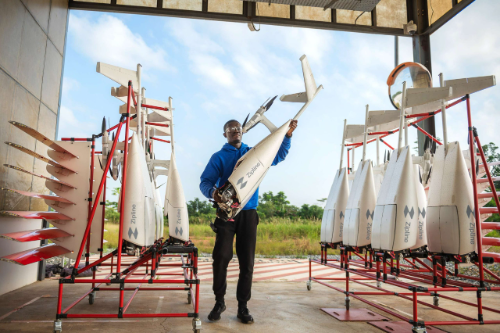
Zipline, a California-based drone logistics company, is set to significantly expand its operations in Nigeria, planning to establish 12 additional distribution centers across the country. This strategic move aims to transform its existing health-tech pilot projects into a comprehensive national medical supply infrastructure. Currently, Zipline manages three operational hubs in Kaduna, Cross River, and Bayelsa states, which collectively serve over 1,300 health facilities and approximately 6 million people.
Anthonio Pinheiro, Zipline’s Nigeria country director, outlined the ambitious goal of growing to 15 facilities nationwide by 2028. This expansion is projected to connect up to 20,000 health facilities, thereby providing nearly 100 million Nigerians with significantly faster access to essential medical supplies such as vaccines, blood, anti-venom, and malaria drugs. Zipline initially entered the Nigerian market in 2022, primarily through state-level partnerships. However, the company is now transitioning towards a federal-scale model, which will streamline the process for states to integrate into a unified national autonomous delivery network.
This ambitious expansion plan is bolstered by a collaborative partnership involving Nigeria’s Federal Ministry of Health and the U.S. government. The U.S. government has been a key supporter of Zipline’s African expansion initiatives through a grant program spanning five countries. Zipline's operational model is designed to mitigate stockouts by centralizing health products in its hubs and delivering them on demand, often within minutes. This approach not only reduces waste and storage costs but also significantly enhances emergency care capabilities. Furthermore, Zipline highlights that its Kaduna and Cross River facilities are solar-powered, which reduces reliance on diesel and ensures continued operations despite Nigeria’s often-unreliable power grid.
The company's long-term vision extends beyond medical supplies. Pinheiro indicated that once the robust infrastructure is firmly in place, Zipline could potentially diversify its services into other sectors, including agriculture, animal health, e-commerce, and broader logistics. Zipline's expansion in Nigeria exemplifies the evolution of drone delivery from mere pilot projects to critical national infrastructure, addressing a long-standing challenge in Nigeria's health system: last-mile supply problems. These issues are particularly prevalent in rural and riverine communities, which often suffer from weak roads, inadequate storage, unreliable power, and inefficient inventory systems. Hospitals in these areas frequently face critical shortages of essential medicines or blood precisely when they are most needed.
While the potential benefits are immense, scaling such an operation in Nigeria presents several challenges. These include navigating complex aviation and security clearance processes, ensuring a reliable energy supply for facilities, recruiting and training specialized staff, coordinating effectively with the Ministry of Health, and building trust within local communities. Moreover, Nigeria's drone regulations remain stringent due to national security concerns. Should Zipline successfully overcome these formidable barriers, it stands to become an integral component of the country’s health infrastructure, transcending its role as merely a delivery service.