Deadly Misdiagnosis Erupt As Lassa Fever Crisis Looms in Nigeria
Nigeria faces a severe Lassa fever season, compounded by misdiagnosis as symptoms often mimic malaria or typhoid, delaying critical treatment. This has led to rising fatalities and increased risks for healthcare workers, underscoring the urgent need for improved early detection and community awareness to save lives.
Lapses resulting from misdiagnosis, coupled with the experience of Mr. Musa in Bauchi State reveals a persistent weakness in Nigeria’s disease detection system for Lassa fever.
Musa initially presented with fever, headache, and stomach pain, symptoms commonly associated with malaria, and was treated and discharged from a private clinic.
However, his condition worsened rapidly, prompting a community outreach team to refer him to the Lassa Fever Treatment Centre at Abubakar Tafawa Balewa University Teaching Hospital, where he was diagnosed with Lassa fever.
After 29 days of intensive treatment, he recovered, but his case highlights how the disease is frequently misdiagnosed as malaria or typhoid, delaying life-saving care.
Medical experts note that Lassa fever often “disguises itself” due to early symptoms such as fever, weakness, and headaches, which closely resemble other common illnesses.
Ayokunnu Raji, emergency medical programme manager at Médecins Sans Frontières (MSF), explained that many patients only reach treatment centers when they are already critically ill.
Both the Nigeria Centre for Disease Control and the World Health Organization stress that laboratory confirmation is essential for accurate diagnosis, as clinical symptoms alone are insufficient due to the overlap with malaria and typhoid.
Rising Cases, Stigma, and Long-Term Health Impact
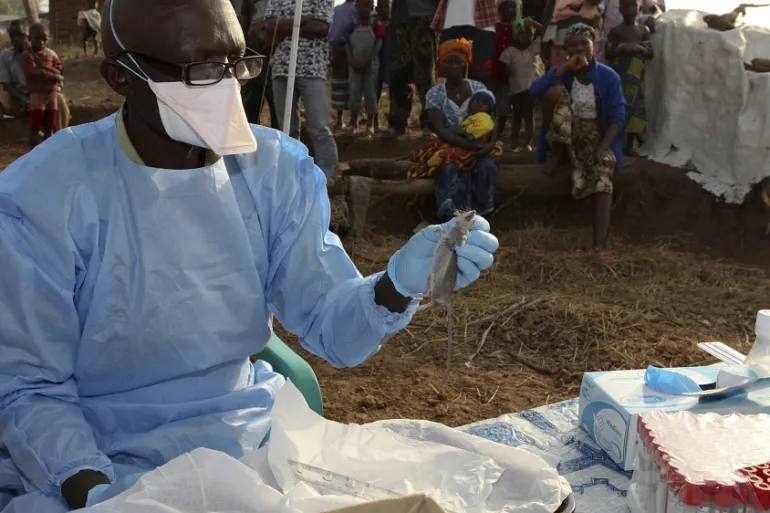
Nigeria is currently experiencing a severe Lassa fever season, with the NCDC reporting 146 deaths between January and mid-March and a case fatality rate of 25.1 percent—up from 18.7 percent during the same period in 2025.
Healthcare workers are also increasingly at risk, with 38 infections recorded this year, including three MSF staff members infected in February, one of whom died.
Beyond medical challenges, fear and misinformation continue to delay treatment, as some communities attribute the illness to spiritual causes.
Musa himself described how people initially avoided him, believing his illness was a “curse,” a stigma that often pushes patients away from formal healthcare facilities.
Even after recovery, Lassa fever survivors may face long-term complications such as hearing loss and neurological issues, while some may temporarily carry the virus, posing continued transmission risks.
To address these concerns, MSF operates specialized survivor clinics offering medical monitoring, mental health support, and guidance on preventing further spread.
With Lassa fever remaining endemic in Nigeria, typically peaking between October and April, health authorities emphasize stronger early detection, increased testing, and improved frontline diagnosis.
For survivors like Musa, the lesson is clear and urgent: people must avoid self-diagnosis and seek prompt medical attention, as he cautioned, “I tell people not to assume it is malaria.”