Dangote Is Giving One-Third of His Fortune to Charity. What Happens to the Rest?
Aliko Dangote plans to give a third of his $35.1bn fortune to charity, with his family's backing. What happens to the rest of his empire is far less clear.
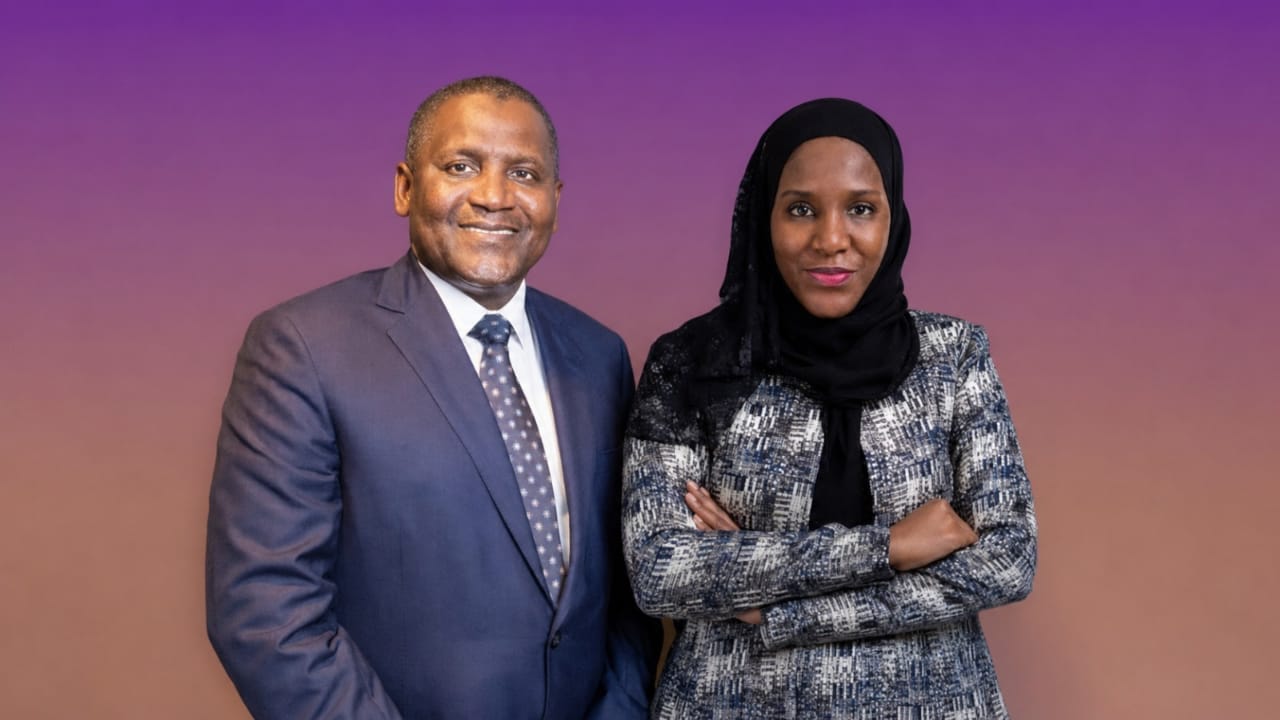
Aliko Dangote is giving away a third of his fortune.
His daughter Halima revealed the plan in a Bloomberg interview published on July 28, 2026, saying her father had asked his three daughters and his mother to sign an agreement supporting the decision, which he sees as consistent with his Islamic faith and a way to head off quarrels over his estate.
Bloomberg valued his fortune at $35.1 billion, which puts one-third at roughly $11.7 billion.
The $11.7 billion is only an estimate
A large part of Dangote's fortune runs through his stakes in businesses including Dangote Cement and the Dangote Petroleum Refinery, and the value of those stakes moves with share prices, company performance, debt and market conditions.That's why the charitable portion can't be pinned at $11.7 billion yet because the final figure depends on what Dangote owns and what it's worth by the time his estate is settled.
The gift could be cash, shares in his companies, or some mix of both.
If it is in the form of shares, the foundation would keep earning dividends from the businesses Dangote built rather than living off one lump transfer, giving part of his industrial wealth a standing role in funding philanthropy instead of making it a one-time gift.
Who takes charge of the empire?
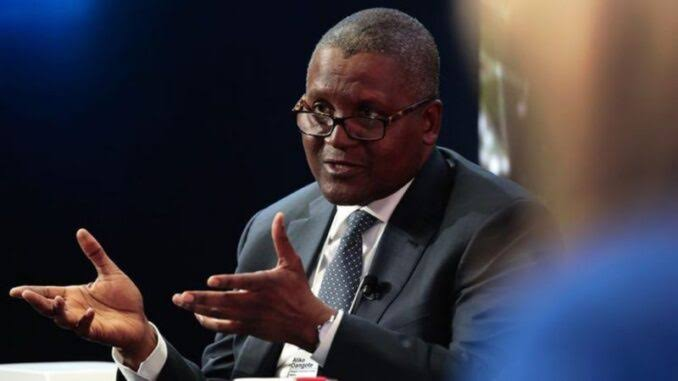
The other two-thirds worth upward of $23 billion right now is where the main uncertainty lies.
Which assets go to which family member, whether ownership runs through trusts, how voting control gets divided: none of it is public, and the leadership question is the sharper one of the two.
The refinery sits at the centre of Nigeria's long fight over fuel imports, local refining, crude supply and pump prices. Dangote Cement runs factories across several African countries. Whoever ends up in charge inherits businesses that lenders, regulators, employees, shareholders, suppliers and governments are all watching closely.
The foundation already has work to continue
Giving away a third of his estate would add to Dangote's philanthropic work rather than create a new identity for it.
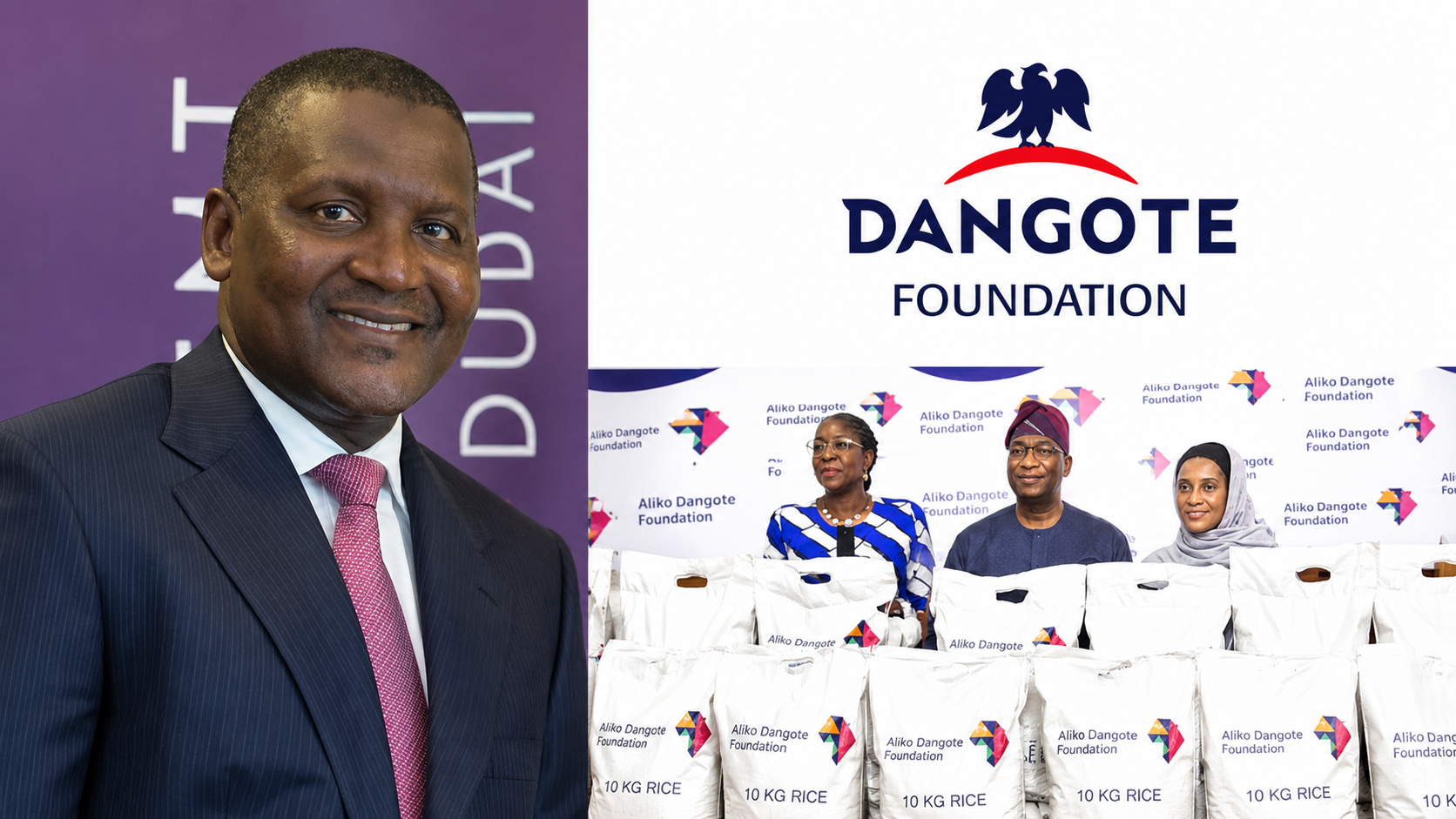
TheAliko Dangote Foundation was established in 1994, with programmes spanning nutrition, health, education and humanitarian relief.
It partnered with the Bill & Melinda Gates Foundation and northern state governments on polio, and Dangote put $1.25 billion into the foundation back in 2014.
TIME named him to its 2025 TIME100 Philanthropy list and put the foundation's average annual spend across Africa at around $35 million.
Then in December 2025 came a fresh ₦1 trillion education pledge spread over 10 years, set to start reaching students across Nigeria in 2026.
The scale of that work helps explain why the foundation would need to outlast Dangote.
"Giving back is part and parcel of what we do," Halima said. But keeping it going after him will require strong management, clear spending priorities, and enough transparency for people to actually see where the money lands.
A fortune is not the same as a succession plan

What remains unanswered – who owns the companies, who controls the votes, who eventually sits at the head of the group – is what will decide what his empire looks like ten years from now.
Those decisions belong to the family, but they won't stay contained to the family.
Dangote's businesses employ thousands of people, supply major industries, and shape the prices of things Nigerians buy every day.
Keeping all of that steady as wealth, authority and responsibility change hands will be a much bigger test of his legacy than the size of the charitable gift.
That is the part of Dangote's succession plan that remains unknown.